Exterior house paint ideas for front doors, roofing, siding & more
By Nichole Talbot•Last updated Feb 14, 2024
Last updated Feb 14, 2024
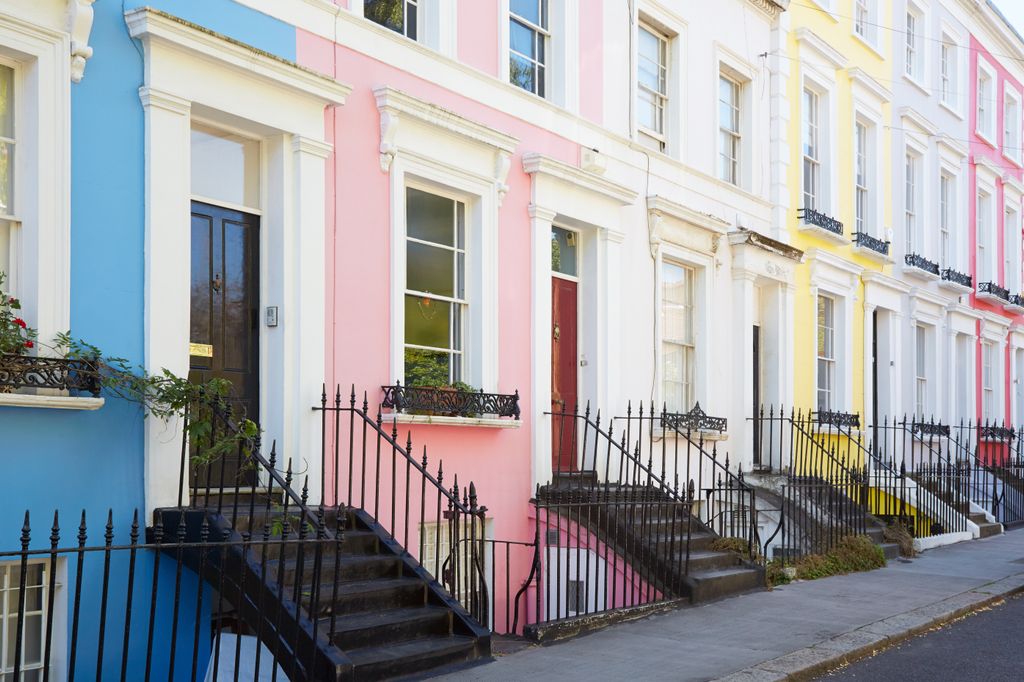
Choosing paint colors for your home's exterior can feel like a daunting task. It’s one of the first things people notice about your home, an opportunity to make a good first impression and a way to reflect your personal style. And, it’s arguably one of the most expensive paint jobs you’ll take on as a homeowner, with house painting costs sometimes reaching several thousands of dollars.
With all this on the line, it’s important to get it right the first time to avoid costly redos, which is why it can easily cause design paralysis among the most experienced DIY-ers and home renovators. That’s why we’ve developed this detailed guide on selecting the right exterior house colors, including ideas for your siding, roof, and doors. We’ve enlisted the help of industry experts to bring you the most comprehensive exterior paint guidance available.
Keep reading to learn how to choose the best exterior paint color for your home.
Exterior house colors
When selecting exterior paint, you’ll choose more than one color. This collection, often called a scheme or palette, includes the wall or field color, accent color, and trim color. All three need to work together, along with your home’s fixed materials like the roof, stone or brick, and landscaping.
“Color selection is usually driven by architectural style and creating a sense of place that blends with the location,” says Travis Hendrix, senior architect at KGA Studio Architects in Louisville, Colorado.
We asked experts for their go-to exterior siding colors and a few trendier, up-and-coming hues.
Creamy or bright white

We can thank Joanna and Chip Gaines for popularizing the white modern farmhouse style that’s all over design magazines, blogs, and social media. “Right now, we’re seeing lots of bright white palettes as well as the opposite — dark black houses,” says Michelle Marceny, lead color consultant at The Color Concierge in the Denver area.
You can achieve that refined look with a white shade that looks fantastic on siding and most architectural styles. Be sure to determine whether you prefer a warm or cool undertone — your home’s fixed materials will play a big role here, which we’ll discuss more below.
Charcoal

Grays are widely popular for interiors and exteriors. Create a contemporary or modern look by going a few shades darker than you would inside your home.
“Grays are still trending, but we are seeing darker steel or charcoal grays,” says Jessica Mycek, manager of innovation and consumer strategy at Dunn-Edwards Paints in Los Angeles, California.
Taupe

If your home’s hard finishes and landscaping are neutral, and you’re having trouble deciding between a cool or warm shade, taupe is a good choice.
“If you're in between — that’s where the greiges and taupes come in. They straddle the line between warm and cool,” says Mycek.
Taupe is foolproof and works well on many home styles, from classic and traditional to modern and contemporary.
Dark blue

Sophisticated and elegant, blue exteriors are on the rise, according to Marceny. “Blue houses have become a new classic,” she says. Color psychology may also come into play here, as blue can inspire a sense of calm and serenity, two feelings most of us would welcome in our homes.
Billiard green

Create a seamless connection between the home and the outdoors with a rich shade of green. A great option as a vinyl siding color, dark greens with brown undertones are earthy and understated.
Trim and accent colors

Once you’ve chosen a few favorite siding colors, it’s time to think about trim and accent colors for each option. Don’t neglect trim when painting your home’s exterior, especially if you're sprucing things up to sell soon.
“You have to deal with the trim because all those little dings and scratches that didn’t stand out before are now noticeable,” says Rob Levy, a Keller Williams real estate agent in Portland, Oregon, with more than 30 years in the business.
Accents can be a few shades lighter than the siding color or even complementary shades, according to Marceny. Trim color is pretty simple — use your window color and design as a guide.
“If you have black windows, you can have dark or light trim. If your windows are white, we usually select light trim colors to help the white window frames recede,” says Marceny.
Front door colors
Your front door’s color is a chance to show off some personality. Have fun with this accent color because it’s easy to repaint if you change your mind.
You may also want to consider how your front door paint color ties into your home’s interior design. “If your front door color selection can bridge the exterior color palette to the interior color themes, then it’s an even greater success,” says Hendrix.
Check out our experts’ favorites, from classic and traditional to modern and trendy:
Inky black

We're not sure if it was ever truly out, but black is back in style. Its timeless, refined look creates a distinctive sense of arrival and complements many color schemes. It may also increase your home’s resale value — up to $6,271 to be exact, according to a Zillow color study.
Light mint

Like a breath of fresh air for your front door, a light green softens brighter field colors. It's an unexpected pop of color that's welcoming and inviting.
Dramatic red

Nothing says “look at me” more than a dramatic red. This bold color is a showstopper and can accentuate a more neutral color scheme. It also works with several architectural styles, like farmhouse, cottage, traditional, colonial, and ranch.
Anything blue

Blue is having a moment in exterior color, and it’s easy to see why with its many cool and complementary shades. “Everyone wants a pop of color. And blues are really in,” says Mycek. From rich navy and bright cobalt to dark teal, the options are plenty with this people-pleasing hue.
Pale yellow

A cheery burst of color could be a ray of sunshine for your front door. This mood-lifting shade isn’t for everyone, however — when it’s used to paint the whole exterior it could negatively affect a home’s resale price, according to Zillow.
Soft gray

Gray hues are a perennial pleaser, often cropping up on the front doors of contemporary and modern homes. It's a lovely accent if you want to play it safe or are planning to sell your home soon.
Roof colors

If you’re not planning to replace your roof, its existing color will influence your exterior color choices.
“The roof should be seen as a complementary selection, unless it’s the primary surface color that you will see (think Scandinavian modern),” says Hendrix.
Instead of highlighting specific roof shingle colors, it may be simpler to organize the selection into warm or cool color families. Roof colors often determine the color pathway you’ll take when selecting exterior paint colors. A black or gray roof works best with cool colors, while reds, terra cotta, and brown roofs would do well with a warm color scheme.
Best exterior paint and finishes
With an exterior color project, what you get out of it depends on what’s put into the paint. In other words, the type and quality of the paint directly affect the finished product. Chemical makeup and sheen are important considerations when planning an exterior paint project.
So, what’s in the paint can, exactly? Paint is formulated with four primary ingredients:
- Pigments: These are what give paint its unique color.
- Solvents: Liquids that maintain the integrity of binders and pigments. Solvents evaporate after paint application.
- Additives: These chemicals vary depending on the type of paint and can help increase dry time, UV light protection, and moisture and mildew resistance.
- Binders: Binders are chemicals that make paint magic and are what hold the pigments together that dry to a film on the surface. They’re responsible for all aspects of a paint’s performance, including adhesion, durability, fading resistance, and weather protection.

Exterior painting cheat sheet
You’ll want to choose a few different types of paint for your home that are appropriate to your home’s construction and materials. Use this cheat sheet to decide which paint type is right for you:
| Paint type | Benefits | Best used for |
|---|---|---|
| Solvent-based (oil/alkyd) | These paints are great for outdoor projects because they offer a glossy sheen and fantastic resistance to extreme humidity, dirt, and grime. | Porch floors, doors, railings |
| Water-based (latex, acrylic) | Acrylic and latex paints have the elasticity to withstand outdoor temperature fluctuations and offer resistance to peeling and cracking. | Most exterior siding, stucco, trim, front door, brick |
| Flat finish | Flat paint achieves a smooth, non-reflective appearance and hides surface imperfections. | Surfaces that aren’t touched regularly, like exterior walls |
| Satin finish | Smooth and velvety, satin’s slightly reflective sheen offers the look of a flat paint that’s easier to clean and maintain. | Exterior walls, including most types of siding, stucco, eaves, soffits |
| Semi-gloss finish | Easy to clean and resistant to weather and dirt, semi-gloss works best for high-touch areas. | Trim, windowsills, gutters, downspouts, garage doors |
| Gloss finish | Adds a lovely richness to color and offers fantastic protection to traffic areas. | Doors, trim, shutters, railing |
| High-gloss finish | Benefits are similar to gloss paints with even more protection, sheen, and color depth. | Doors, trim, shutters, railing |
How to choose exterior paint colors
There’s a lot to consider when selecting an exterior house color, but don’t worry — we’ve put together a step-by-step guide to help you select the best paint type and color palette for your home. And for those who prefer extra guidance and consultation, a color expert or experienced paint contractor can help you through the selection process.
Take inventory
Before you fill your cart with paint swatches at your local home improvement store, do some homework and pre-planning so you start along an appropriate color path. Get a good look at your home’s exterior, paying attention to architectural style and elements like roof color, stonework, brick, and landscaping.
Let light be your guide
Sunlight can make a home’s exterior paint color look different from what you see on a swatch. Not only that, but the time of day can affect the look of your home’s color. Notice the sides and areas of your home that see the most direct sunlight, indirect light, and shade. You’ll want to test paint color in these areas (more on that below).
Ideally, your home’s paint color will look just as lovely on a sunny day as on a darker rainy one. In this case, where you live may help guide your color preferences. In regions that enjoy lots of direct sunlight, light colors may look even brighter and even washed out. Prolonged UV light will also cause the pigments in paint to fade more quickly, so you may need to repaint sooner than you’d like.
Pick your exterior wall color first
Now that you’ve done your homework, it’s time to pick out some color possibilities. Experts recommend using your home’s dominant architectural features as a starting point. Begin with your home’s siding or field color, because that will be the most noticeable, followed by trim and accent paint.
“If your house is primarily brick, then the brick color should set the tone for other painted materials,” says Hendrix. “Or, if your windows or metal panels only come in specific colors from the manufacturer, then make sure you’re accounting for complementary exterior selections.”
Architecture or era can offer some inspiration. For example, soft pastels would work well with a classic Victorian home, while rich earth tones complement a craftsman exterior. Look at color schemes associated with the architecture for inspiration and as a jumping-off point for your creativity.
Be a good neighbor
It’s not only good fences that make good neighbors. While it’s important that your home reflects your personal style, your exterior paint would do well to complement other homes on your street. It’s perfectly acceptable to want your home to stand out, but not in a way that detracts from the overall look and feel of the neighborhood.
“If your neighborhood was designed to mimic a prairie grassland, a Victorian painted lady won’t make sense,” says Marceny.
Neighborhood cohesion, or how all the homes look together on a street, is part of what creates curb appeal. Curb appeal will also help maintain your and your neighbors’ homes’ resale value. “Putting $4,000 to $6,000 dollars into painting your house is pretty much always going to double, triple, or if not, getting more than that of your money back,” says Levy.
If you live in a community with a homeowner’s association (HOA), it may have guidelines and requirements about your home exterior color. Some HOAs require that you submit your proposed paint project for review and approval before you start.
Keeping all this in mind, your neighbors can be a source of inspiration. Sometimes the best exterior paint ideas can come from your own community. Take a walk or a drive around and see what exterior house color schemes appeal to you. Snap a few photos and compare the colors to your home’s architectural features.
Visualize it
Technology can be a great tool to help you pick your home’s paint palette. Paint visualization apps and websites let you play around with color to see how it will look on your home’s exterior. Simply upload a photo of your home and begin experimenting.
Visualization tools can be a helpful way to narrow down your list of color possibilities, especially if you’re just starting out. Many apps and tools, some provided by paint manufacturers, are free and user-friendly. Keep in mind that visualizers from paint companies are trying to sell their products, so color selection may be more limited than with other tools from independent developers.
Test it out
While online paint visualization tools are helpful, you’re still looking at a computer screen. Nothing compares to viewing the color in real life. Every paint professional we talked to stressed the importance of testing multiple colors outside under various light conditions, including morning, midday, and afternoon light.
“Many times, colors are selected under artificial lights or examined in the shade, which hides the true color that you will see,” says Hendrix.
One of the best ways to test color in the wild is to purchase a pint of each shade you like, along with a large piece of white fiberboard. Paint 2-by-2-foot swatches of each shade on the fiberboard and prop it up against the part of your home that sees the most sunlight. Be sure to move it around to other areas of the home and place it next to architectural detailing, like stonework or brick, to see how they look together.
Also, be careful about testing directly on your home’s siding. Unless you plan to prime the area first, your home’s existing color will affect the look of the new paint color. The last thing you want is an unpleasant surprise when the project’s complete.
Find exterior painters near you
Painting your home’s exterior is a wonderful opportunity to highlight your home’s architectural features and showcase your personal style. While doing it yourself is entirely possible, painting exterior siding can be a lengthy and time-consuming task, and mistakes will be noticeable to you and anyone passing by.
If you’d rather leave this home improvement project to the pros, we’re here to help. Search for qualified paint professionals in your area today.
Note about project costs featured in this article: Figures represent national average cost estimates using data provided by Thumbtack pros and additional research. These figures are provided for educational purposes only and are subject to change at any time due to various factors. Details about your specific project and local rates can impact costs.
How it works.

Search.
Browse profiles, see prices and use filters to find pros who match your project.

Chat.
Contact the pros you like to discuss project details.

Hire.
Check pro availability and book appointments right in the app.
Find local pros for your project
Tell us what you're looking for and we'll show you pros right for the job, with prices.