Brushed nickel vs. chrome: How do you choose the right finish for your fixtures?
Warm and matte or cool and shiny? Here's how to decide between brushed nickel and chrome.

Edited by Chad Jensen•Painting Expert•Last updated May 26, 2026
Chad brings 28+ years of hands-on painting experience — from managing his family's paint store to painting new-construction homes — to the home care content he writes and edits.
Last updated May 26, 2026
Highlights
- Brushed nickel has a soft, matte finish, while chrome is highly reflective and mirror-like.
- Choose brushed nickel for traditional or warm-toned spaces; opt for chrome in modern designs.
- Your decision will likely depend on your home's overall style and existing hardware.
- Brushed nickel is generally easier to keep clean, as it tends to hide fingerprints and water spots.
- While both are durable, chrome is a slightly harder finish and may resist scratches better over time.
The main difference between brushed nickel and chrome is the finish: brushed nickel has a soft, matte look, while chrome is shiny and reflective. It's easy to mix them up at a glance, but the right choice for your home goes beyond just style. This decision affects everything from durability and ease of cleaning to the final cost. Here's a closer look at what each finish is, how they compare, and which one might be the best fit for your project.
Spot the difference: brushed nickel vs. chrome
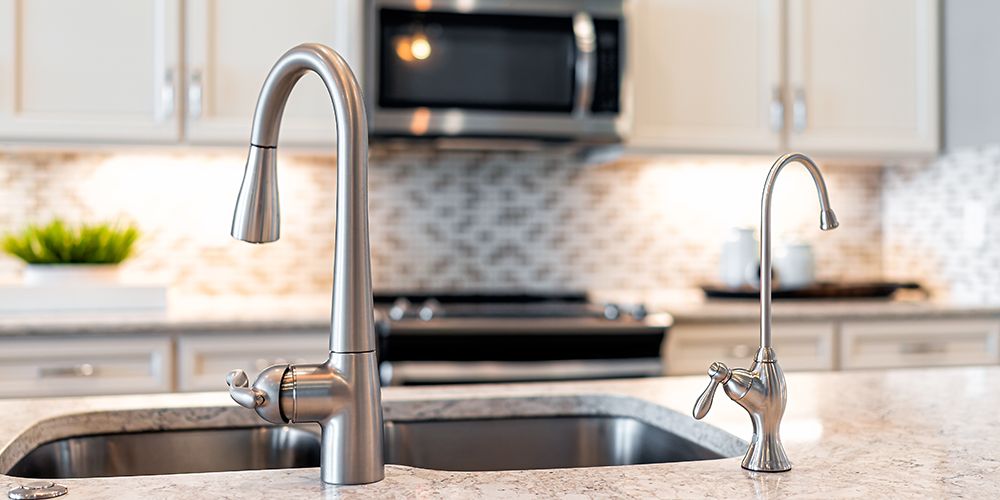
Brushed nickel is a finish created by treating nickel with a wire brush, which gives it a soft, textured appearance. You'll often find it on faucets, cabinet pulls, and light fixtures in homes with a traditional or transitional style. Unlike the cool, mirror-like shine of chrome, brushed nickel has a warmer, more muted look that's great at hiding fingerprints.
Chrome is a finish made by plating a thin layer of chromium onto a metal object, resulting in a highly reflective, mirror-like surface. It's a popular choice for modern kitchens and bathrooms, adding a sleek and clean look to fixtures and hardware. It has a much shinier surface than brushed nickel, but that high-gloss finish also tends to show water spots and smudges more easily.
How they compare at a glance
Though both are popular metal finishes for home fixtures, their differences in appearance, upkeep, and cost are important to consider.
| Feature | Brushed Nickel | Chrome |
|---|---|---|
| Appearance | Soft, matte finish with a slightly warm, yellowish tone. | Shiny, mirror-like finish with a cool, blueish undertone. |
| Material | Nickel plating that has been treated with a wire brush. | A thin layer of chromium plated onto a base metal. |
| Best for | Traditional and transitional styles. Hides smudges and water spots. | Modern and contemporary designs. Creates a clean, sleek look. |
| Durability | Durable, but can be more prone to scratches than chrome. | Very hard finish that strongly resists scratches and corrosion. |
| Maintenance | Low maintenance; its textured surface conceals fingerprints and spots. | Requires frequent wiping to remove smudges, spots, and fingerprints. |
| Cost | Typically more expensive than chrome due to its finishing process. | Generally more affordable and widely available than brushed nickel. |
How to tell brushed nickel and chrome apart
At first glance, it can be tough to tell these two popular finishes apart, but a few key details in their appearance and performance will give them away. Knowing what to look for makes it easier to choose the right finish for your home's style and your maintenance preferences.
- Finish: Brushed nickel has a soft, matte texture from its wire-brush treatment, while chrome has a smooth, mirror-like shine.
- Color tone: Brushed nickel gives off a slightly warmer, yellowish hue, whereas chrome has a cooler, blueish undertone.
- Maintenance: The textured surface of brushed nickel is excellent at hiding fingerprints and water spots, but chrome's reflective finish shows every smudge.
- Durability: Chrome is a slightly harder finish that's more resistant to scratches, while brushed nickel can be more susceptible to wear over time.
- Style match: You'll often find brushed nickel in traditional or transitional homes, while chrome is a staple in modern and contemporary designs.
- Cost: Chrome is generally the more budget-friendly choice, as the process to create brushed nickel's finish typically makes it more expensive.
What to expect for future costs and upkeep
Chrome is typically more affordable upfront, but you'll likely spend more time keeping its mirror-like surface free of smudges and water spots. Brushed nickel often costs more initially, yet its textured finish hides fingerprints well, reducing daily cleaning effort.
While chrome is a slightly harder material and more resistant to scratches, both finishes are durable enough for everyday use.
- The brand and overall quality of the fixture often impact the price more than the finish itself.
- Opting for simpler models without advanced features can help keep initial costs down.
- Regular cleaning with gentle, manufacturer-approved cleaners will protect the finish and prevent costly replacements.
Choosing between brushed nickel and chrome
A good rule of thumb is to choose brushed nickel for its forgiving, warm finish in traditional spaces, while chrome is best for creating a bright, modern look if you're prepared for a bit more upkeep.
Opt for brushed nickel if your home has a traditional, transitional, or farmhouse style. Its soft, warm tone pairs well with earthy colors and natural materials, and its ability to hide fingerprints makes it a practical choice for busy family bathrooms or kitchens.
On the other hand, choose chrome for a modern, minimalist, or art deco design. Its cool, mirror-like shine adds a clean, high-end feel and can make smaller spaces seem brighter and more open.
For larger remodels or if you're trying to match new fixtures to existing ones, it can be helpful to consult an interior designer or a local contractor to make sure the final look is cohesive.
Other similar options to consider
Polished nickel: This finish is very shiny like chrome but has a warmer, golden undertone, whereas chrome has a cooler, blueish tint. You might suspect you have it if your shiny fixtures look slightly warmer than you'd expect from chrome.
Satin nickel: Often confused with brushed nickel, satin nickel has a similar matte look but is smoother to the touch and lacks the distinct brush marks. It's a cosmetic alternative, not a defect, and is a good guess if your non-shiny nickel fixture feels completely uniform and smooth.
Stainless steel: You'll find this on many kitchen appliances; it has a duller, more industrial look with fine grain lines, making it less reflective than chrome and cooler in tone than brushed nickel.
Tarnish or pitting: If your fixture has dull spots, discoloration, or tiny rough pits on the surface, it's likely tarnish or corrosion. This is damage, often from moisture or harsh cleaners, and while minor tarnish may be a DIY fix with a special polish, severe pitting often means the fixture needs replacing.
Who to hire for your project
If you want to change the finish on your fixture or faucet, the most legitimate option is a metal plating or refinishing shop. These specialists typically use electroplating to apply real metal finishes like chrome or brushed nickel, which is how faucets are finished from the factory. The downside is that plating a single small fixture can be expensive — sometimes more than just buying a new faucet — so it's really best suited for pieces that are hard to replace, like antique or vintage hardware.
A powder coating professional is another solid option. While they can't perfectly replicate every factory finish, powder coating is durable and can achieve similar metallic looks at a potentially lower cost than electroplating. It's worth calling around to see if they work on small fixtures.
A professional painter can technically spray a metallic coating onto a faucet, but it's generally not recommended for this type of project. Paint simply doesn't hold up well on a faucet — it may chip and wear off quickly from daily water and hand contact. It might work as a short-term fix, but don't expect it to last.
However, for most homeowners the simplest and most cost-effective path is just replacing the faucet entirely. A plumber or handyman can swap one out quickly and affordably, and you'll get a brand-new factory finish that's built to last. Unless your faucet has special sentimental or design value, replacement is usually the way to go.
How it works.

Search.
Browse profiles, see prices and use filters to find pros who match your project.

Chat.
Contact the pros you like to discuss project details.

Hire.
Check pro availability and book appointments right in the app.
Find local pros for your project
Tell us what you're looking for and we'll show you pros right for the job, with prices.