Cedar fence vs. pine: Which one should you choose?
By Nina Kulenkampff•Last updated May 3, 2023
Last updated May 3, 2023
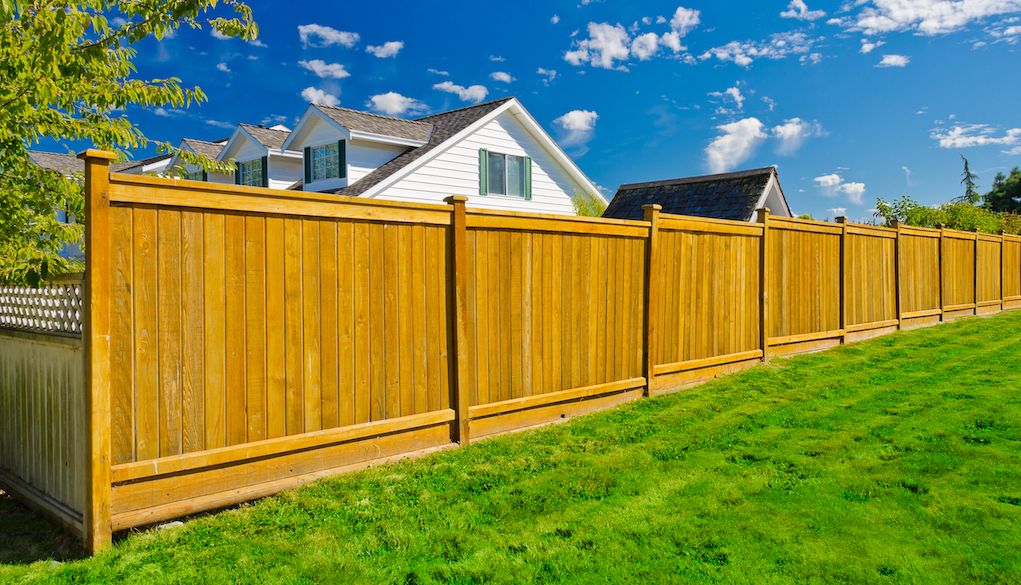
If you need help deciding whether a cedar or a pine fence is the right choice, you've come to the right place. When it comes to fencing materials, cedar and pressure-treated pine are two popular lumber options for residential fences. But if you’re deciding between a cedar fence and a pine fence, which one should you choose?
This guide breaks down the advantages and drawbacks of the two types of wood to help you make the right decision for your fencing project.
Cedar fence pros and cons
Get a better idea of whether a cedar fence is right for you by reading the pros and cons below:
| Pros | Cons |
|---|---|
| Rot-resistant | Can be a little pricey compared with chain link or vinyl fences |
| Insect-resistant | Can fade over time due to sunlight |
| Lasts 20-30 years when properly maintained | Requires regular maintenance |
| Doesn’t warp or shrink | Can weather and deteriorate over time |
| Natural, rustic appearance due to the grain pattern | It’s a softwood, so it can be dented if hit hard by an object |
| Holds up well in dry climates | Not well-suited for humid climates |
Although it can cost more than other fence types, cedar — especially Western red cedar — is a great choice for homeowners who want a beautiful backyard privacy fence. It’s an aesthetically pleasing fence, and homeowners love its natural grain patterns, reddish color, and white accents or stains.

Although cedar is durable because it can repel insects and rot, and it doesn’t tend to shrink or warp, you still have to maintain it. For example, it can fade in sunlight, weather to a silvery gray color, and deteriorate over time. It’s recommended that you apply a wood sealant every year.
Soil can also damage cedar wood and cause it to rot over time — more so than pressure-treated pine. You may want to chat with your fence installer about using pine for the fence posts (and cedar for the fence panels) or attaching cedar fence posts to concrete to avoid contact with the soil.
Lastly, remember that cedar is a softwood; if a heavy object hits it hard, it can be dented. When power washing or hosing down your fence, use light pressure.
Pine fence pros and cons
Below we list both the pros and cons of a pressure-treated pine fence:
| Pros | Cons |
|---|---|
| Typically less expensive than cedar fences | Can warp, shrink, and rot |
| Can resist damage from the soil, thus recommended for fence posts | Can fade over time due to sunlight |
| Staining in various colors is available | Requires regular maintenance |
| Better suited for humid climates | Not well-suited for drier climates |
| Can be customizable | May last only 5-20 years |
Pine is typically more cost-effective and more affordable than cedar wood. This makes it a great option for those with a smaller budget.

Homeowners might hesitate to paint or varnish their beautiful natural cedar fence. However, because pine needs to be treated anyway, homeowners can customize their pine fence without losing value by painting the sought-after cedar look. When the fence needs to be repainted, you can choose a different color or stain and spruce things up.
Pine is also better if you plan to install your fence posts in the soil. As mentioned previously, cedar is more susceptible to soil erosion than treated pine posts.
On the other hand, pressure-treated pine is less durable than cedar wood. If left untreated or not maintained, it will crack, shrink, and warp faster. It also has a shorter lifespan — some fence companies and manufacturers state it can last as little as 5 years, especially if not properly maintained.
The chemical treatment that pine undergoes adds protection from insects and the weather. However, it still needs additional treatment and frequent maintenance to hold up against time and the elements. Be prepared to strip, seal, stain, paint, and clean your pine fence more often than a cedar fence.
Pine vs. cedar fence comparison chart
The comparison chart below shows the main differences and similarities between the two types of wood fences:
| Cedar | Pine | |
|---|---|---|
| Cost | Higher initial cost | Lower initial cost |
| Durability | More durable | Less durable |
| Lifespan | Longer lifespan | Shorter lifespan |
| Maintenance | Regular maintenance required | Often requires more frequent maintenance |
| Appearance | Naturally beautiful grain patterns and color | Doesn’t look as natural; may require stains and paint to look natural |
So, which one should you choose?
Both fences have their pros and cons. But whether you should choose a pine or a cedar fence mainly comes down to a few key factors:
- What’s your budget?
- Will your region's climate damage the fencing material over time?
- How much maintenance can you devote to your fence?
Use this chart to help you decide which fence might be right for you:
| Choose cedar if… | Choose pine if… |
|---|---|
| You have a bigger budget | You’re on a tighter budget |
| You want a fence that requires less maintenance | You have the time, resources, and/or DIY skills to stay on top of maintenance |
| You live in a drier climate | You live in a humid climate |
| You don’t want to replace your fence anytime soon | You don’t mind repairing or replacing your fence a bit more frequently |
Hire a fence installation professional near you
If you're ready to start building a fence for your front or backyard, download the Thumbtack app today. Check out the top-rated fence installers and contact a few professionals near you. They can give you free cost estimates for your project and help you build a fence that suits your needs.
FAQs
Which is cheaper: pine or cedar fences?
A pine fence is usually cheaper than a cedar fence because it has lower upfront costs. However, you might pay more in maintenance costs down the line because a pine fence typically requires more maintenance.
A cedar fence has higher upfront costs. But, thanks to its natural durability, it requires less of a financial investment in maintenance.
For a better, more accurate idea of how much pine and cedar fences cost near you, get a few estimates from local fence professionals.
Does a cedar or pine fence last longer?
The natural oils and resins in cedar wood help it naturally last much longer than a pine fence. Depending on the company and manufacturer, a cedar fence may last 20-30 years, whereas a well-maintained pine fence only lasts 5-15 years (or sometimes 20 years).
However, it all comes down to maintenance. You have to stay on top of sealing your cedar fence once a year if you want it to last as long as possible. A pine fence that isn't maintained routinely — stripping, cleaning, painting, sealing, and staining — may last only a few years before it rots, weathers, warps, or decays.
When you install your new fence, ask your contractor for a detailed maintenance plan and schedule so you can help ensure your pine or cedar fence lasts a long time.
Does a cedar fence need to be treated?
A cedar fence does not need to be chemically treated. This type of wood can naturally resist rot and insects. However, the rich color of a cedar fence can fade over time because it's susceptible to damage by UV rays. The annual application of some form of UV protection or sealant is recommended to prevent this.
Are cedar fences hard to maintain?
It depends on what you consider to be “hard to maintain.” Cedar fences don’t typically need as much maintenance as pine fences, but you will likely need to clean and seal your fence every year. This is still far less maintenance than a pine fence requires.
How it works.

Search.
Browse profiles, see prices and use filters to find pros who match your project.

Chat.
Contact the pros you like to discuss project details.

Hire.
Check pro availability and book appointments right in the app.
Find local pros for your project
Tell us what you're looking for and we'll show you pros right for the job, with prices.