How to cut PEX pipes
By Nina Kulenkampff•Last updated Jan 12, 2024
Last updated Jan 12, 2024
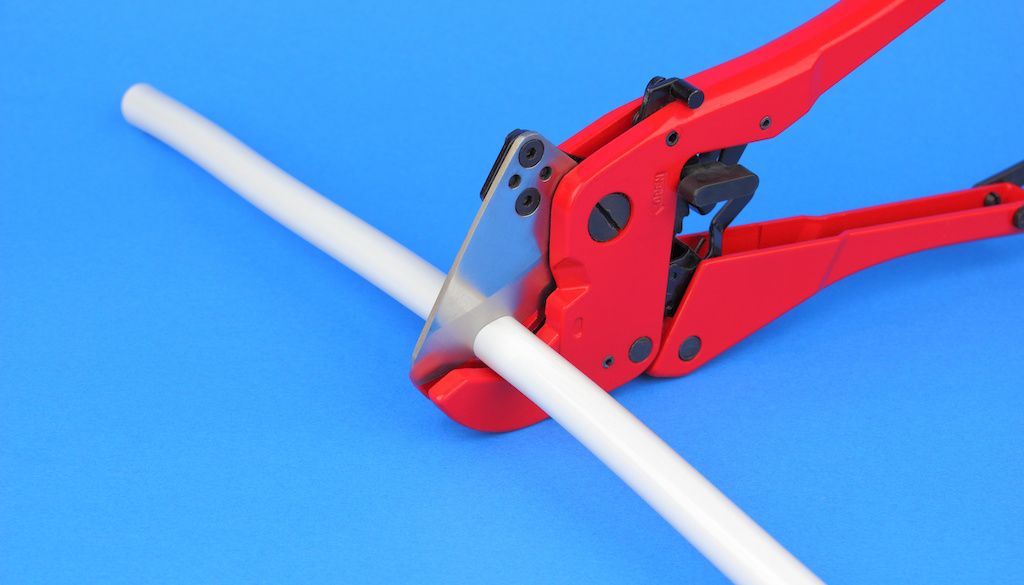
If you're tackling a plumbing project, cutting PEX pipe is an important skill to master. PEX, or cross-linked polyethylene, is a popular choice for hot water supply lines due to its flexibility, durability, and ease of installation. That, and it costs a lot less than copper pipes.
In this guide, we'll walk you through the steps of cutting PEX pipe, ensuring a precise and secure fit for your DIY plumbing needs.
Before you start cutting PEX pipes
Before you put on your work gloves, consider a few important factors:
Local codes and regulations. Familiarize yourself with local building codes and regulations for PEX installation. Staying compliant helps ensure a safe, successful project.
According to the Plastic Pipe and Fittings Association, "The user must determine which codes are applicable to his/her specific project, and also must ensure compliance with all local, state, and federal codes, regulations, and standards. Codes are constantly reviewed and updated."
Pipe sizing. Accurate measurement is key. Make sure you know the pipe size required for your project to avoid installation complications.
Compatibility. Verify that all fittings, tools, and accessories are compatible with PEX material. Using the right components helps ensure a reliable, leak-free plumbing system.
With these considerations in mind, gather the supplies, tools, and equipment you need before you get started.
What you'll need
- Deburring tool
- Marker or pencil
- Measuring tape
- PEX pipe
- PEX tubing cutter
- Clamps
- Safety glasses
- Work gloves
Now, let's get to the DIY process.
Step 1: Straighten, measure, and mark
First, straighten the PEX tubing as much as you can without damaging it. Then measure twice and cut once.
Use a measuring tape to determine the length needed. Double-check your measurements before marking, and add about 1 inch. Adding an inch gives the pipe more flexibility to expand and contract. Mark the cutting points on the PEX pipe using a marker or pencil.
Step 2: Secure the pipe
To help ensure a clean, precise cut, secure the PEX pipe in place using clamps or a stable work surface. Stability is key to a professional finish.
Step 3: Cut using a PEX tubing cutter
If your project is large and you plan to do a lot of DIY work with PEX piping, it may be worth investing in a quality PEX tubing cutter. Follow the manufacturer's guidelines, place the cutter over the marked point, and make a clean cut.
Pro tip: If you don't want to buy a PEX tubing cutter, you can use a utility knife or ratchet cutter instead. It may not give you as clean a cut, but it will get the job done.
Step 4: Deburr the edges
After the cut, use a deburring tool to remove any rough edges. This step is critical for preventing damage to fittings, helping the pipe attach more easily to the fitting, and ensuring a secure connection. Smooth edges can help ensure proper fitting connections and reduce the risk of leaks.
Mistakes to avoid when cutting PEX pipe
Save yourself from headaches and costly repairs down the line. Here are two common mistakes to avoid when cutting PEX pipe.
Mistake #1: Using the wrong tools
Stick to tools designed for cutting PEX to ensure a smooth process. Again, you could use a utility knife or ratchet cutter. However, you might not get as clean a cut as you would with a PEX tubing cutter.
Mistake #2: Skipping the deburring step
Neglecting to deburr the pipes will not do you any favors. Take the time to deburr each cut end for a polished, professional finish.
Don’t want to DIY? Hire a plumber instead
Embarking on a DIY journey is empowering, and cutting PEX pipe is well within the capabilities of many homeowners. However, plumbing can be intricate, and mistakes can lead to costly repairs.
If you're unsure whether you can get the job done right or the project seems daunting, hiring a professional plumber is a good idea.
Get the ball rolling by downloading the Thumbtack app. See a list of top-rated plumbers near you, read customer reviews, check out photos of past projects they've completed, and start getting free estimates today.
FAQs
Can I cut PEX with a copper pipe cutter?
You may be able to use a copper pipe cutter to cut PEX pipes. However, it's highly recommended that you stick with tools specifically designed for cutting PEX pipe.
Are PEX pipes more resistant to freezing than copper pipes?
Yes, PEX pipes are more resistant to freezing. That's because they're able to expand and contract, reducing the risk of bursting.
However, you should not use PEX pipes in above-ground outdoor applications. According to the Plastic Pipe and Fittings Association, "Short exposures to sunlight or UV during construction are permissible, but should not exceed the manufacturer's recommendations. PEX should be stored under cover, shielded from direct sunlight or other UV exposure."
Can PEX pipes be used for both hot and cold water applications?
Yes, PEX pipes are versatile and suitable for both hot and cold water applications.
Do PEX plumbing systems require fewer fittings than traditional alternatives?
Yes, PEX plumbing systems typically require fewer fittings due to the pipes' flexibility. This can help simplify installations and reduce potential points of failure.
How it works.

Search.
Browse profiles, see prices and use filters to find pros who match your project.

Chat.
Contact the pros you like to discuss project details.

Hire.
Check pro availability and book appointments right in the app.
Find local pros for your project
Tell us what you're looking for and we'll show you pros right for the job, with prices.