Your guide to painting popcorn ceilings
By Ginny Bartolone•Last updated Oct 24, 2022
Last updated Oct 24, 2022
Table of Contents
- What is a popcorn ceiling?
- Before you start: Have a pro check for asbestos and lead paint.
- Is it a good idea to paint over a popcorn ceiling?
- What kind of paint do you use on a popcorn ceiling?
- Popular popcorn ceiling colors.
- DIY vs. hiring a pro for popcorn ceiling painting.
- Tips for painting popcorn ceilings.
- Find local professionals to paint your popcorn ceiling.
- FAQs.
Find local pros for your project
Search for pros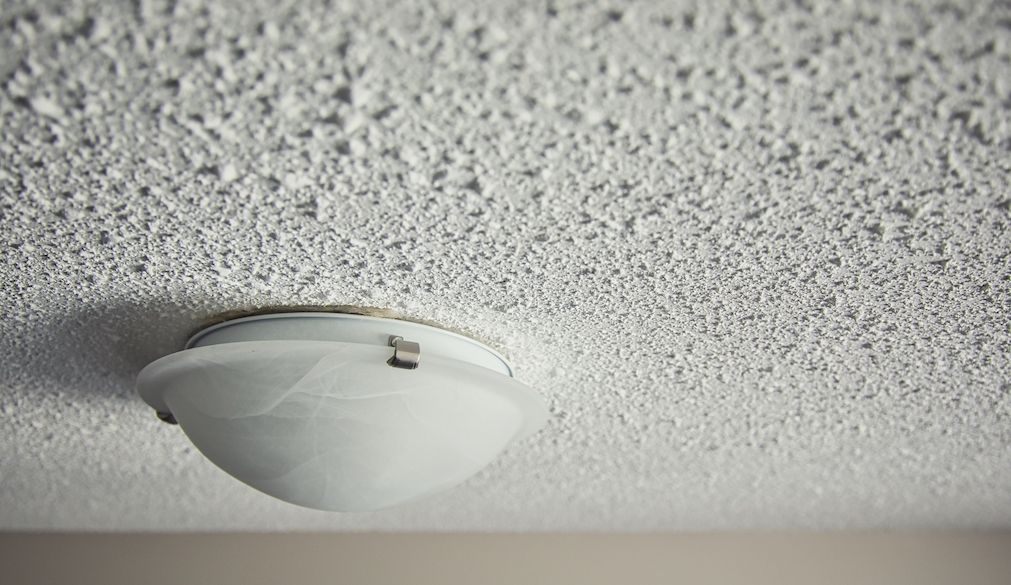
The mid-20th century welcomed a long list of curious design and architectural choices. Sharp angles, floral wallpaper and avocado-colored everything lived among one of the most unique trends in home design — popcorn ceilings.
This ceiling type earned its name from its textured, popcorn-like surface. Unfortunately, it can be tricky to handle if you're new to your home or simply looking for a ceiling upgrade. Painting popcorn ceilings, however, might be the key to upgrading without having to remove the ceiling altogether.
But, before you break out the rollers and start laying down the drop cloth, it's important to note that popcorn ceilings don't always handle paint in a predictable way. Experts recommend completing a few pre-project steps to ensure it's worth taking on the painting project.
We'll walk you through how to paint popcorn ceilings safely with some helpful tips from experienced painting pros.
What is a popcorn ceiling?
Textured ceilings — especially the style known as popcorn, stipple, or cottage cheese — became popular in the mid and late 1900s. In addition to creating a different look, they offered a few benefits. The thick material helped dampen noise, making them useful in apartments with noisy upstairs neighbors. The texture also covered common imperfections in older ceilings.
The style was a short-lived trend and quickly fell out of favor. Popcorn ceilings tend to flake easily and can be difficult to repair when there is a leak or when the material starts to chip. Additionally, from the 1950s to the 1970s, popcorn ceilings often included asbestos — an issue we will cover below.
Before you start: Have a pro check for asbestos and lead paint.
Because crumbling asbestos-containing material can cause serious diseases such as lung cancer and mesothelioma, it is crucial to have your ceiling checked before you start painting. In fact, the Centers for Disease Control and Prevention (CDC) says to avoid disturbing any materials you think might contain asbestos, including pipe and furnace insulation, siding, flooring, vermiculite attic insulation, and popcorn ceilings installed from the 1950s to the 1970s.
Before you paint your popcorn ceiling, consider contacting a local asbestos abatement expert to test it. They will likely take a small sample for testing.
Is it a good idea to paint over a popcorn ceiling?
If you have just moved into a home with a popcorn ceiling, you have a few options to make it your own. Maybe the ceiling is no longer white, or you want to update the space with gray, pale blue, or cream. Whatever the reason, carefully painting over the texture is a workable way to refresh this older design detail.
Painting a popcorn ceiling is often more cost-effective than removing it. However, the process is not as straightforward as painting a traditional ceiling or wall, and it can be time-consuming. Before you begin, make sure the ceiling is sturdy enough to hold primer and paint. You will also want to weigh the pros and cons of hiring a pro versus doing it yourself. In short, make sure you have enough time for this slightly tricky — but totally doable — DIY project.
What kind of paint do you use on a popcorn ceiling?
A popcorn or textured ceiling will require more paint than a flat ceiling, so buy extra. Apply a primer first. Once the dried primer seals the popcorn ceiling in place, choose a high-quality flat or matte latex or acrylic paint.
Popular popcorn ceiling colors.
Not sure which color will best showcase your newly painted ceiling? Many homeowners choose white or off-white to draw the eye upward, but you can also use other soft hues depending on your wall colors. Gentle gray, cream, or light blue ceilings pair well with complementary walls.
DIY vs. hiring a pro for popcorn ceiling painting.
Whenever you are deciding how to paint a textured ceiling — popcorn or otherwise — choosing between DIY and hiring a professional is a big decision.
Hire a pro if your ceiling is breaking down and contains asbestos.
The first question should always be: does my popcorn ceiling contain asbestos or lead paint? Similar to the asbestos issue, the U.S. banned lead paint in 1978. If your home was built before then, it may be worth having a professional test for both substances. The Environmental Protection Agency explains how to arrange an assessment of the paint on your walls to make sure.
If your popcorn ceiling contains asbestos and is breaking down, contact your local or state environmental agency and/or a certified asbestos contractor, says the CDC. Make sure the contractors understand the laws around safe asbestos removal and disposal.
DIY if you are an experienced home improvement buff.
Painting a room is relatively low on the DIY difficulty scale, but a popcorn ceiling requires a bit more know-how. As you will read below, popcorn ceilings are fragile and absorbent. Using the wrong paint or roller may cause the texture to disintegrate or chip. Use too little paint, and you will not see much of a change.
Even so, the process is not overly advanced. It just takes a bit more planning and extra patience.
Tips for painting popcorn ceilings.
If you have chosen your ceiling color, gotten the green light from your asbestos and lead paint tests, and are ready to paint your popcorn ceiling, gather the following tools and materials:
- Roller or paint sprayer (recommended for textured ceilings)
- Roller trays
- Paint and primer
- Screwdriver
- Tarp, furniture covers, painting tape
- Dust mask and eye protection
- Step ladder
- Extension pole
- Duster, microfiber cloth, or vacuum arm extension
1. Protect the room.
Remove as much from the room as possible before starting. Popcorn ceilings often require more paint than traditional ones, which increases the chance of drips and splashes on your art and furniture. Cover the floor and any remaining items with painter's plastic or a drop cloth, and secure the edges to the floor to help prevent tripping. Line the ceiling and walls with cling-on painter's plastic to create a smooth edge and protect your walls from stray paint.
Protect yourself, too. Put on a protective mask, eyewear, and your best painting clothes. Make sure the room has plenty of ventilation.
2. Dust your ceiling.
Because of their textured surface, popcorn ceilings easily collect cobwebs, dust, and other dirt over the years. Gently remove anything covering your popcorn ceiling with a vacuum attachment or by hand.
3. Apply primer in one direction.
If you choose a paint sprayer, consider renting one from your local hardware store for between $30 and $50 per day. Remember that you may need more than one day for the primer and second layer to dry, so plan ahead.
If you use a paint roller, paint in one direction. This helps protect the popcorn texture as it absorbs moisture. Also, use a painter's extension pole instead of climbing the ladder for every stroke. This gives you more visual distance from the ceiling and allows cleaner, longer strokes.
4. Apply paint perpendicular to primer.
Once the primer has completely dried, add one layer of paint to the ceiling in strokes perpendicular to the first coat.
Find local professionals to paint your popcorn ceiling.
While there are similarities between painting a traditional ceiling and a popcorn ceiling, this job requires a gentle touch. Because of that, results can vary depending on the condition of your ceiling.
If you are unsure about doing the project yourself, a local painting specialist can help with any part of the process, from planning to the final touches. Speak with a pro when choosing paint, testing the safety of your ceiling, or handling the entire job.
FAQs.
Here are answers to common questions homeowners have about painting popcorn ceilings.
Do I need to prime a popcorn ceiling before painting?
Yes. Priming your popcorn ceiling before adding paint can help protect its stability before you apply acrylic or latex paint. Let the primer dry before applying the paint.
How much does it cost to paint a popcorn ceiling?
Like all interior paint jobs, the cost to paint a ceiling depends on square footage and your paint choice. On average, painting a ceiling costs roughly $0.75-$1.20 per square foot.
Can I use a paint sprayer on a popcorn ceiling?
Paint sprayers are a dependable alternative to rollers and paint brushes for popcorn ceilings. More consistent pressure means there is a lower chance of chipping the popcorn texture or oversaturating the material. You can rent or buy a paint sprayer.
Take extra care to cover every vulnerable spot in your room before using a paint sprayer. Move in even lines, and avoid overlapping the same area with too much paint.
How it works.

Search.
Browse profiles, see prices and use filters to find pros who match your project.

Chat.
Contact the pros you like to discuss project details.

Hire.
Check pro availability and book appointments right in the app.
Find local pros for your project
Tell us what you're looking for and we'll show you pros right for the job, with prices.