How to use moving straps
By Evan Crowther•Last updated Mar 25, 2024
Last updated Mar 25, 2024
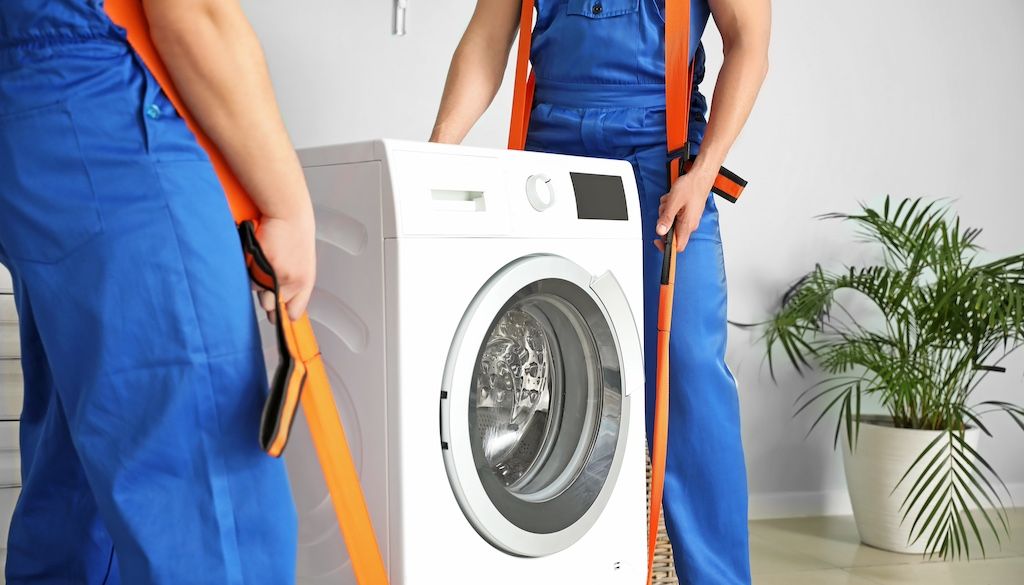
When moving to a new home, you’ve probably faced the challenge of lifting heavy furniture or appliances. Larger appliances like refrigerators can weigh hundreds of pounds, making them difficult and dangerous to lift. Luckily, moving straps can make the moving process less of a challenge.
You're missing out if you’ve never used moving straps to haul heavy items. Read this guide to learn more about these handy tools and how to use them properly.
What are moving straps?
Moving straps, also called “mover’s straps” or “lifting straps,” use leverage to make lifting and moving heavy items easier. With shoulder harness moving straps, for example, lifting as much as 1,000 pounds is possible. Before buying straps, read the label to determine how much weight they can support.
To be clear, moving straps don’t make you stronger than you already are. Rather, they let you lift with different muscle groups than you could with just your hands. This can take strain off the lifter’s back and enable safer moving.
Types of moving straps

There are several different types of straps, each with different applications. Some moving straps are designed for two lifters to lift an item from either side, while others are for one person.
The main kinds of moving straps include:
- Forearm straps: Loop around the forearms to allow higher lifting.
- Cinching handle straps: Wrap around small but heavy items to create a makeshift handle.
- Shoulder harness straps: Wrap around the shoulders like a backpack to use both legs and shoulder muscles.
How to use moving straps
Now that you understand better when it’s a good idea to use them, let’s look at how to use furniture moving straps step by step. Keep in mind that you’ll need a partner to help with lifting.
Step 1: Secure the harness

For a shoulder harness, fit your arms through the shoulder straps. For forearm straps, secure the loops to your forearms. Make sure any adjustable buckles are tight and secure.
Step 2: Place the strap under the item

Position the lifting strap underneath the furniture or appliance. With the help of your partner, tip the item to one side and slide the strap into place. If there are two lifting straps, cross one over the other to form an “X” shape.
Step 3: Begin lifting

Using your legs, slowly lift straight up until you feel the weight on your shoulders or forearms. Once you feel the weight, make sure you can comfortably lift the item before moving. Use your palms to stabilize the item at the top.
Keep these tips in mind to lift safely:
- Don’t twist your body.
- Lift straight up by using your legs.
- Set the item down if you feel your back is straining.
Step 4: Set the item down

When both partners are ready, slowly lower the item by bending at the knees until it rests on the floor. Then, remove the straps by tipping the item.
Benefits of moving straps
For DIY movers, lifting straps can be a handy addition to your arsenal of tools. They offer several benefits over lifting by hand. For example:
- Less exertion: Using the correct muscle groups makes heavy items feel much lighter.
- Safer moving: Straps stabilize heavy items, reducing the risk of dropping and lifting-related injuries.
- Fewer people needed: A team of two people can move heavier objects using straps than by hand.
When should I use moving straps?
Moving straps are best for heavy, bulky items that don’t offer good handholds. You should never attempt to lift beyond what you can safely carry. Have at least one other person present to help you lift to reduce the risk of injury.
Straps can often make it easier to lift furniture, but there are some situations where they are especially useful:
- Moving up or down stairs. Forearm straps are useful for lifting furniture high enough to clear steps.
- Narrow spaces. By lifting items from underneath rather than the sides, straps allow you to move through tighter spaces without straining.
- Awkwardly shaped items. For items without a good spot to grip, straps can make lifting much easier.
- Items with uneven weight distribution. Straps can more evenly distribute weight between two lifters when an item is heavier on one end.
DIY vs. hiring a mover to lift heavy items
You can certainly DIY your move. But when it comes to moving heavy appliances, furniture, grandfather clocks, pianos, and pool tables, don’t do it on your own unless you have the following:
- At least 1 to 2 people to help you
- A good set of moving straps
- (If needed) A dolly and reliable transportation to the new location
You should also consider how much time, physical effort, and energy you want to spend on your move.
If you’re not equipped with the necessary moving supplies and don’t want to exert too much energy, consider hiring a professional mover. Consider your budget, and get quotes from several moving companies in your area. You can also read our moving cost guide to learn more about the factors that impact the cost of hiring movers.
Hire a mover to do the heavy lifting
Moving heavy furniture or appliances can be difficult for some homeowners. If you don’t feel comfortable using moving straps, it’s best to hire a pro.
A note about project costs featured in this article: Figures represent national average cost estimates using data provided by Thumbtack pros and additional research. These figures are provided for educational purposes only and are subject to change at any time due to various factors. Details about your specific project and local rates can impact costs.
How it works.

Search.
Browse profiles, see prices and use filters to find pros who match your project.

Chat.
Contact the pros you like to discuss project details.

Hire.
Check pro availability and book appointments right in the app.
Find local pros for your project
Tell us what you're looking for and we'll show you pros right for the job, with prices.