How long does plumber's putty take to dry?
By Jordana Weiss•Last updated Jan 26, 2024
Last updated Jan 26, 2024
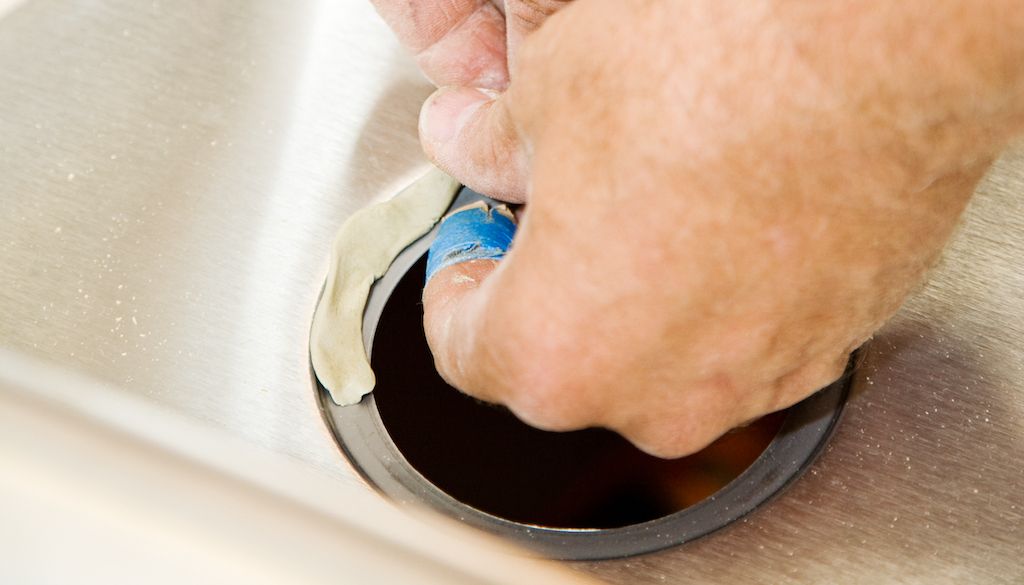
If you've ever tried to fix your own plumbing or DIY anything in your bathroom, you're probably familiar with the handy and versatile compound known as plumber's putty. And if you've never used it, you're probably wondering how to use it and how long it takes to dry.Fortunately, there's an easy answer.
In most cases, plumber's putty dries almost immediately, but you should still give it 10 minutes or so to cure, just to be safe.
Let's explore the ins and outs of plumber's putty so you feel more confident the next time you have a DIY plumbing project.
What is plumber’s putty?
Plumber's putty is a convenient, versatile sealing compound used in plumbing to create a watertight seal around fixtures and pipes and help prevent leaks. It fills the space between two surfaces so water cannot get through.
Most often, you'll see it used to seal the space around drains, faucets, sink basket strainers, and pop-up drains. Once in place, plumber's putty helps prevent water leaks and stabilize fixtures.
Plumber's putty is usually sold in plastic tubs. When you open the container, you'll see a gray substance that's soft and malleable. The putty is primarily derived from organic clay mixed with ingredients like talc, limestone, and linseed oil so it can be shaped and molded as needed.
How to use plumber's putty
It's easy to use plumbing putty as long as you follow a few simple steps:
- Clean the surfaces where it will be attached. If there's any existing putty, scrape it off thoroughly so the new putty can form a clean seal.
- Create a putty rope. Scoop some putty from the container and roll it into a rope. Try to keep the shape consistent so one area isn't thicker than another.
- Apply the plumber's putty. Once you have an even rope, wrap it around the base of your faucet, drain, or other plumbing component. After you've applied the putty evenly, press it gently into place.
- Install the plumbing part as required. Put the part or piece in place that needs to be sealed. If the putty squishes out, that's OK.
- Let it sit. Once the putty has been applied and the part is in place, it's best to give it at least 10 minutes to cure, especially if you're in a cold area. This waiting time helps the putty mold to the proper shape.
When to use plumber's putty (and when not to)
Plumber's putty is ideal for many plumbing applications, including any situation where a pliable, non-hardening sealant is needed. Because it doesn't harden and remains watertight, it can be adjusted over time if needed.
However, it should never be used on threaded pipes, as it may interfere with proper sealing mechanisms like rubber gaskets or washers. Plumber's putty is also not suitable for materials like granite, marble, or plastics because it can affect their integrity and cause long-term damage and stains.
In situations requiring a rigid, long-lasting seal, other products like silicone or pipe thread sealant are more appropriate.
Mistakes to avoid when using plumber's putty
Using plumber's putty is fairly intuitive, but it's still possible to make mistakes. Here are a few to avoid:
- Using it on threaded joints. Avoid using plumber's putty on threaded connections, as it can interfere with the proper function of gaskets and washers in those areas.
- Applying putty to incompatible surfaces. Plumber's putty is unsuitable for materials like granite, marble, or plastic, as it could cause discoloration or damage.
- Neglecting to tighten connections. Plumber's putty is not a substitute for proper tightening. After application, make sure all fixtures are securely fastened.
- Using it as a permanent or pressurized sealant. While effective, plumber's putty is not suitable for permanent or pressurized seals. Instead, opt for silicone or other appropriate sealants for long-term, high-pressure connections.
- Skipping cleanup. Failure to quickly remove excess putty after installation can result in an untidy appearance. It can become more difficult to clean the longer it stays in place.
- Improper storage. Seal the container tightly after use to prevent the putty from drying out. This helps it maintain its pliability for future applications.
Don't want to DIY? Hire a local plumber on Thumbtack
Now that you've discovered the quick-drying wonders of plumber's putty, we hope you feel more confident using it in your next DIY plumbing project.
However, there's more to DIY plumbing than plumber's putty. If you'd like the advice and assistance of a reputable plumber on your next project, download the Thumbtack app today to find a plumber in your area.
How it works.

Search.
Browse profiles, see prices and use filters to find pros who match your project.

Chat.
Contact the pros you like to discuss project details.

Hire.
Check pro availability and book appointments right in the app.
Find local pros for your project
Tell us what you're looking for and we'll show you pros right for the job, with prices.