Shiplap vs. tongue and groove paneling: Which is better for your home's style?
By Kristy Snyder•Last updated May 10, 2023
Last updated May 10, 2023
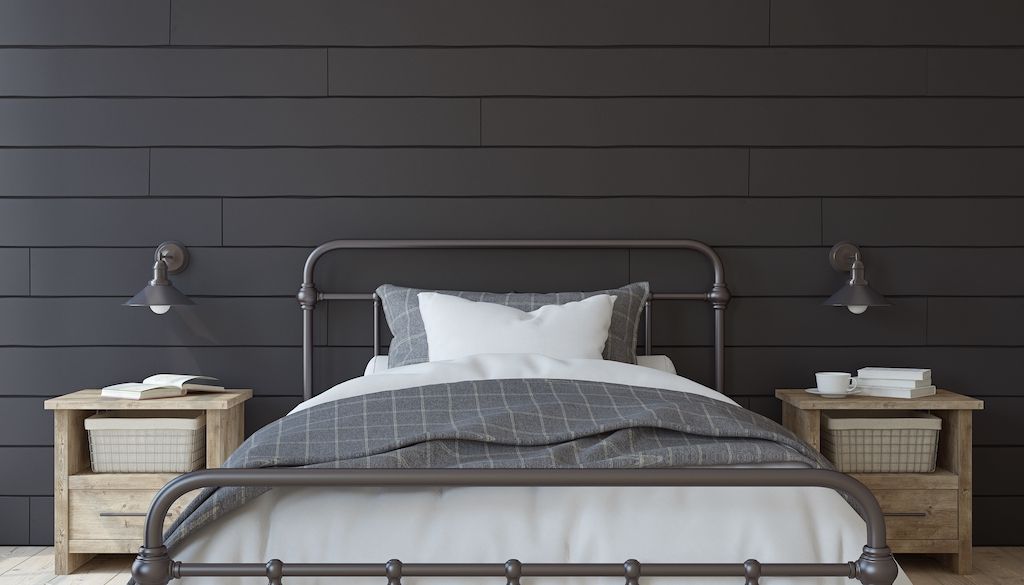
Looking for an accent wall in your home? There are many different types of paneling, but two of the most popular in interior design right now are shiplap and tongue and groove.
Both of these wood paneling options add a warm and vibrant touch to any room. When installed, they often look very similar to one another.
We'll go over the main differences so you can decide which style works best for you.
What is shiplap paneling?
Shiplap wall paneling uses wooden boards with a beveled L-shaped notch on the end. These notches fit together when the boards are placed side by side, creating an overlapping seal.

If you want a modern farmhouse style, consider shiplap paneling. After installation, many people paint it white for a rustic look. Pine planks are often used for shiplap, especially if you plan to paint them. If you are leaving the wood natural, cedar or another species with attractive grain and color may be a better choice.
| Pros | Cons |
|---|---|
| Easy to install | Gaps in shiplap can warp |
| Can be painted or customized | Grooves can collect dust and be hard to clean |
| Great for modern farmhouse design | You may need to replace the entire panel if the wall is damaged |
What is tongue and groove paneling?
Tongue and groove paneling is similar to shiplap, but it uses grooves that fit into each other, creating a tighter and more insulated look than shiplap. Because of that, you may prefer tongue and groove if you live in a colder climate.

Installing tongue and groove planks can be slightly harder than shiplap. You have to put the nail directly through the tongue of each plank, which requires precision. Like shiplap, tongue and groove paneling comes in a variety of materials and can also be painted to your liking.
| Pros | Cons |
|---|---|
| Better insulation | Slightly harder to install |
| Tighter gaps reduce dust collection | May be more expensive than shiplap because of the difficulty |
| Can be painted or customized | Can shrink or warp in dry climates and create visible gaps |
What is nickel gap paneling?

Photo credit: John's Trim and Finish Carpentry Services
You can also find “nickel gap shiplap” or “nickel gap tongue and groove” planks. These planks look similar to tongue and groove paneling, but they also interlock instead of overlapping. When you install planks to create a nickel gap fit, a small gap is left between each board. The gap is big enough to fit a nickel, which is how the style got its name.
Biggest differences between shiplap and tongue and groove.
The main differences between shiplap and tongue and groove paneling are the installation process, profile, and how the paneling’s appearance may change in certain climates.
Installation: Shiplap pieces lock together and are then nailed down in the overlapping section. Tongue and groove paneling requires more finesse, since you have to hammer the nail through the plank's tongue for the best results.
Profile: Shiplap has bigger gaps and a beveled edge between planks. Tongue and groove paneling, on the other hand, has tighter gaps that make a wall look more streamlined.
Climate: Both types of paneling can shrink in hot climates with low humidity. However, the gaps that appear in tongue and groove panels are more visible than the ones in shiplap, thanks to shiplap’s overlapping edges. Tongue and groove may be a better choice if you live in colder climates, because the tighter seal adds more insulation than shiplap.
Tongue and groove vs. shiplap comparison chart.
| Shiplap | Tongue and groove | |
|---|---|---|
| Affordability | Depends on many factors, like wood type, but may be more affordable due to easier installation | Depends on many factors, like wood type, but may be more expensive due to more complicated installation |
| Profile | Slightly overlapping edges | Slightly tighter, smoother surfaces due to interlocking grooves |
| Materials | Pine, cedar, engineered wood, fiber cement, vinyl, metal | Pine, cedar, engineered wood, fiber cement, vinyl, metal |
| Climate | Better in high-heat, low-humidity climates | Better in colder climates |
| Installation | Easier to install | Requires more precision |
| DIY friendliness | DIY friendly for beginners | DIY friendly with experience |
Shiplap vs. tongue and groove — which one should you choose?
Overall, shiplap is probably the better choice if you live in a location that does not see very cold winters and you like shiplap’s appearance. Tongue and groove, on the other hand, is better if you want tighter, streamlined wall paneling that can handle the cold and does not require constant dusting.
Cost should also be a consideration. Although shiplap might be less expensive than tongue and groove because it is usually easier to install, many factors go into the price for both options. It often comes down to the type of wood you choose, whether you want your wall painted, supply and demand, and many other factors. That is why you should always get multiple quotes when hiring a professional for this project.
Hire a professional near you.
Once you've decided on the type of paneling you'd like to use in your home, you'll need a professional to install it. Download Thumbtack today to hire a nearby wall paneling professional with high ratings.
How it works.

Search.
Browse profiles, see prices and use filters to find pros who match your project.

Chat.
Contact the pros you like to discuss project details.

Hire.
Check pro availability and book appointments right in the app.
Find local pros for your project
Tell us what you're looking for and we'll show you pros right for the job, with prices.