Soffit vs. fascia: What’s the difference?
Soffit and fascia are easy to confuse. Here's a simple way to tell them apart and understand what each one actually does.
Reviewed by Kristen Mollica•Home Improvement Expert•Last updated Aug 4, 2026
Kristen has 15+ years of experience managing and editing high-volume home services content. Her background spans a wide range of home improvement topics, from roofing and pest control to cost guides and DIY advice.
Last updated Aug 4, 2026
Highlights
- Soffit is the horizontal panel on the underside of your roof's overhang, while fascia is the vertical board along the roofline.
- You don't choose one over the other — both work together to protect your roof's structure.
- Your choice of material, such as wood, vinyl, or aluminum, will affect cost, durability, and maintenance needs.
- Regular roof inspections for rot, pests, and water damage can prevent costly, long-term structural issues.
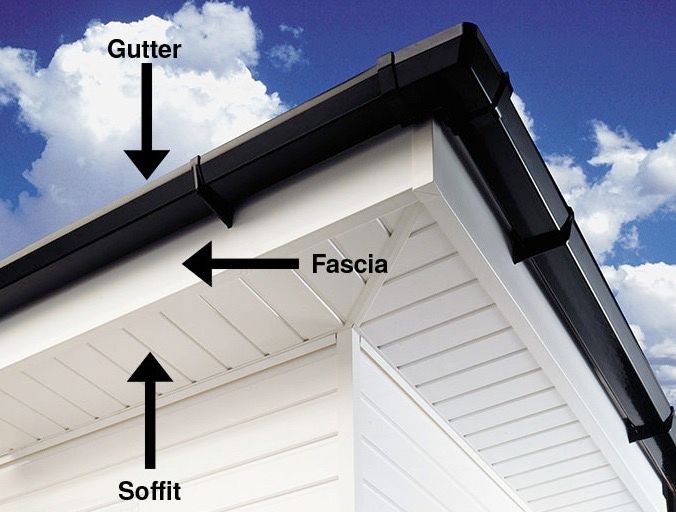
When looking at the components of your roof, you’ll come across two important parts: the soffit and fascia. Soffit is the horizontal panel on the underside of your roof's overhang, while fascia is the vertical board that runs along the roofline.
It's easy to mix them up since they work together to protect your roof. But telling them apart is important for maintenance and repairs, as your choice of material affects cost, durability, and performance. Let’s take a closer look at the differences between soffit vs. fascia.
Understanding soffit vs. fascia
Soffit is the horizontal panel covering the underside of your roof's overhang, connecting the roofline to the side of the house. You'll see it when you stand next to your home and look up at the eaves. Many soffits are vented to allow air to circulate into your attic, which helps prevent moisture buildup.
Fascia is the vertical board that runs along the edge of your roof, right where the gutters are mounted. It caps the end of the rafters, creating a finished appearance and protecting the wooden structure from the elements. While the soffit is tucked away underneath, the fascia is the forward-facing trim you see from the street.
How they compare at a glance
While soffit and fascia work together to protect your roof, they serve different functions and have distinct characteristics.
| Feature | Soffit | Fascia |
|---|---|---|
| Location | Underside of the roof's eaves, between the wall and fascia | Vertical board that runs along the edge of the roof |
| Primary function | Allows attic ventilation and keeps pests out of the rafters | Supports gutters and protects the ends of the roof rafters |
| Appearance | A flat, horizontal panel that is often vented or perforated | A long, flat vertical board that faces outward from the house |
| Common materials | Wood, vinyl, aluminum, and fiber cement | Wood, vinyl, aluminum, and composite materials |
| Maintenance needs | Inspect for pests and rot and ensure vents are not blocked | Check for water damage, rot, peeling paint, and secure gutters |
| Structural impact | Prevents moisture buildup, which can lead to attic mold and rot | Protects the wooden roof structure from weather and water damage |
Key differences between soffit and fascia
The easiest way to tell them apart is by looking at their roof placement, but they both serve different purposes. Here’s a closer look at how they differ:
- Location. Soffit is the horizontal panel tucked under the roof's overhang. It runs parallel to the ground, and it’s most visible when you’re standing beneath the roof overhang. Fascia is a type of trim and the vertical board you see facing the street. It runs parallel to the roof’s edge.
- Function. Soffit's main job is to ventilate your attic and prevent moisture buildup, which — if left unchecked — could damage your roof. It also acts as a barrier to prevent pests from getting into your house. Fascia's primary role is to support your gutters and protect the roof's edge. Fascia also acts as a decorative element since it’s a type of trim.
- Appearance. Soffit panels are often vented or perforated to allow airflow. Fascia is a solid, smooth board that creates a finished trim. Because fascia is more visible, you’ll want to pay closer attention to the color and material you choose and make sure it blends in well with the rest of the roof.
- Vulnerability. Soffit is prone to pests building nests in the vents if it’s not installed correctly, whereas fascia is more susceptible to water damage from clogged or leaking gutters. Regular maintenance can help protect against damage to these components.
- Impact. Poor soffit ventilation can cause attic mold and ice dams, while failing fascia can lead to roof leaks and structural rot. Make sure to schedule an annual roof inspection to catch these issues early.
What to expect for future costs and upkeep
Fascia repairs are often more frequent due to inclement weather and gutter leaks, while soffit upkeep focuses on clearing vents and checking for pests. Regular gutter cleaning and inspections can prevent major fascia and soffit damage, saving you from costly structural repairs down the line.
Your choice of material, though, is the biggest factor in long-term maintenance for both. Wood is more susceptible to rot and warping, so it needs to be regularly sealed and repainted. Vinyl, aluminum, and fiber cement are more durable and easier to maintain.
Choosing between soffit and fascia
You don't choose between soffit and fascia, as both are essential parts of your roof system. Instead, the "choice" is about knowing which component to address for a specific project or repair.
Focus on your soffit if your main goal is to improve attic ventilation, stop pests from nesting in your eaves, or address moisture buildup that can lead to ice dams.
On the other hand, you'll want to address the fascia when installing new gutters, repairing water damage along the roofline, or updating your home's curb appeal. Since the fascia is highly visible and supports the gutters, it's the first place to check for peeling paint or rot.
For complex issues like widespread rot or structural damage, consult a local roofing pro to get a proper diagnosis and repair plan.
When to hire a soffit and fascia contractor
While minor touch-ups like repainting fascia or clearing blocked soffit vents are manageable DIY tasks, most installation and repair work is best left to a professional. Working at roof height is risky, and improper repairs can lead to water intrusion, pest entry, or structural rot that costs far more to fix down the line.
Hire a contractor when you notice:
- Rot, warping, or soft spots on the fascia board
- Sagging or detached soffit panels
- Signs of pest infestation (wasps, birds, or squirrels entering through the eaves)
- Water stains on interior ceilings near the roofline
- Gutters pulling away from the fascia
- Widespread damage following a storm
A qualified pro can assess the extent of the damage, recommend the right materials for your climate and budget, and make sure the repair protects both your roofline and attic ventilation. To get started, contact a few local soffit and fascia contractors, compare quotes, and check reviews and licensing before you hire.
How it works.

Search.
Browse profiles, see prices and use filters to find pros who match your project.

Chat.
Contact the pros you like to discuss project details.

Hire.
Check pro availability and book appointments right in the app.
Find local pros for your project
Tell us what you're looking for and we'll show you pros right for the job, with prices.