How to unclog plumbing vents without getting on the roof
By Nina Kulenkampff•Last updated Feb 7, 2024
Last updated Feb 7, 2024
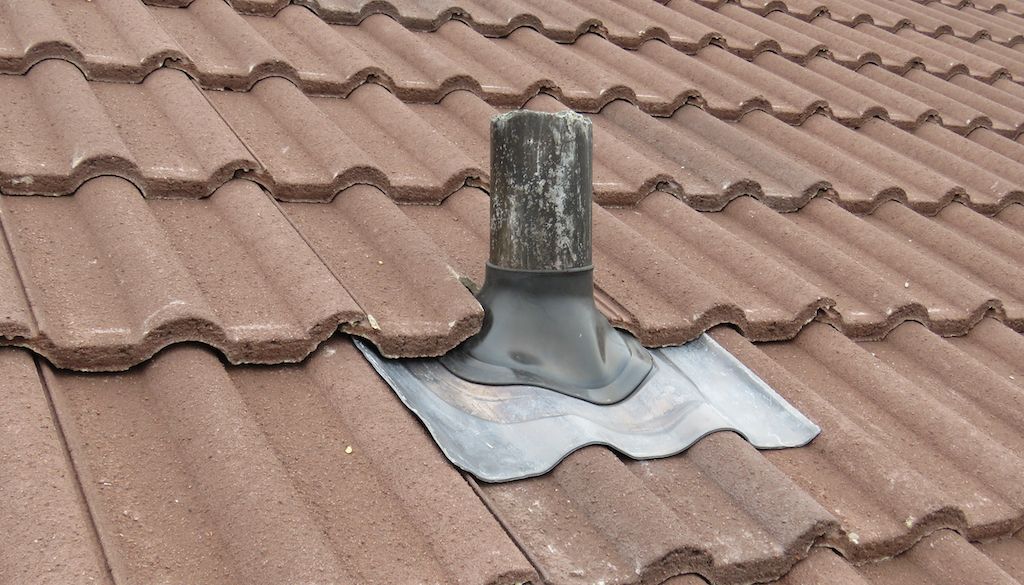
Do you have clogged plumbing vents and a fear of heights? We've got you covered.
Unclogging a vent can easily be done without the need to climb onto your roof. In this guide, we'll provide you with simple, easy-to-follow instructions on how to unclog a plumbing vent without getting on the roof.
Channel your inner DIYer, and let's get started.
What you need:
- Bucket
- Garden hose
- Plunger
- Protective gloves
- Rain pipe
- Safety glasses
Step 1: Identify the clogged plumbing vent.
First, locate the vent stack. It's a long vertical pipe that usually extends from the roof, not to be confused with a rain pipe. You may have a clogged vent if you notice gurgling sounds and slow drainage in your plumbing fixtures.
Step 2: Prepare your tools.
Gather your tools and safety gear before you start. Always keep safety in mind when taking on a DIY project.
Put on your gloves and safety glasses. Then attach a garden hose to a water source, making sure the connection is secure. A snug fit helps build more water pressure inside the pipe.
Step 3: Set up for action.
Gently insert the garden hose into the plumbing vent pipe. Place a bucket or other receptacle underneath the vent to catch any water or debris that comes out of the vent or pipe.
Step 4: Apply water pressure.
Slowly turn on the water. You want a steady stream of water into the vent pipe to build water and air pressure that can help flush out the blockage.
Keep an eye and ear out for changes in drainage and gurgling sounds. These changes indicate that debris is being cleared from the plumbing system.
Step 5: Assess the results.
When the gurgling stops and there's a steady stream of water coming out of the plumbing system, you're on the right track. If the vent system is still clogged after this first attempt, you may need to repeat the process a couple of times for better results.
If the drain vent is still clogged, it's time to seek professional help and call a plumber. They can inspect your pipes and vents to find the cause of the clog and fix it.
How to tell if a plumbing vent is clogged.
Just about anything can cause a plumbing drain vent to become clogged. Common culprits include, but aren't limited to, leaves, branches, snow, ice buildup, and animals such as birds or rodents.
Here are some common signs that your plumbing vent is clogged:
- Gurgling or bubbling sounds in the pipe.
- Slow drainage in the plumbing system.
- Unpleasant odors coming from plumbing outlets.
Tips to prevent clogs in your plumbing vent.
Prevention is better, and usually cheaper, than hiring a professional to unclog your plumbing vents. Follow these tips to help prevent future clogs:
- Schedule regular inspections. Routinely check the vent stack for debris and signs or smells of a potential blockage. You can do this yourself, but it's best to hire a professional. A plumber will know what signs to look for and how to troubleshoot the issue.
- Install a screen, filter, or vent cap. Animals and debris can easily get into a vent stack and clog it. A screen, filter, or vent cap can help prevent debris buildup and keep uninvited guests out of the plumbing vent. However, this preventative step does involve someone getting on the roof. If you're not steady on a ladder, call a professional plumber to do it for you.
- Cut back overhanging branches. Make a habit of cutting back branches near the vent stack to prevent leaves and dirt from clogging it. You can cut the branches yourself or hire a tree trimming service.
- Insulate the pipe. In colder climates, snow and ice buildup can cause plumbing vents to get clogged. Insulate the vent pipe to reduce the chances of that happening.
Hire a plumber to unclog your vents.
Unclogging plumbing vents can be a DIY job, but if you're not confident or the job looks more complicated than expected, the best thing to do is hire a professional plumber.
How it works.

Search.
Browse profiles, see prices and use filters to find pros who match your project.

Chat.
Contact the pros you like to discuss project details.

Hire.
Check pro availability and book appointments right in the app.
Find local pros for your project
Tell us what you're looking for and we'll show you pros right for the job, with prices.