What is a pellet stove?
By Evan Crowther•Last updated Nov 7, 2023
Last updated Nov 7, 2023
Key takeaways
- Pellet stoves are eco-friendly, low-maintenance heating appliances that burn compressed wood pellets.
- A hopper feeds pellets into the combustion chamber, where an igniter burns them, and a heat exchanger distributes the hot air.
- Pellet stoves require electricity, so they won’t work during a power outage.
Homeowners looking for eco-friendly ways to heat their homes may have encountered pellet stoves. But what is a pellet stove?
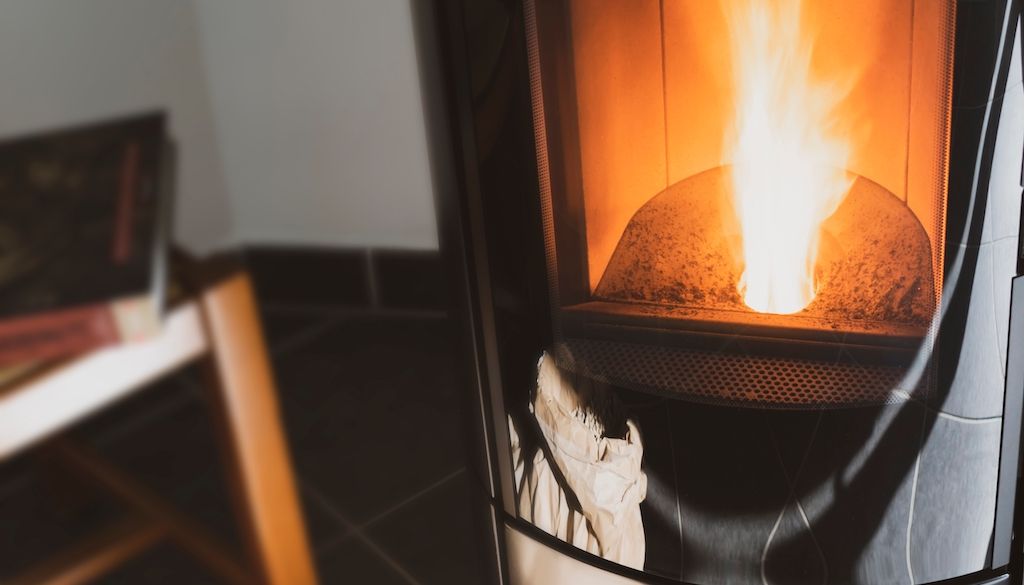
A pellet stove is a device that utilizes pellets made of biomass or compressed wood to heat a home. These types of stoves are not used for cooking.
In this guide, we’ll explain how these stoves operate, list out their pros and cons, and show you how they compare to other heating appliances.
How does a pellet stove work?
Pellet stoves, usually made from cast iron or stainless steel, are similar to wood stoves because they use flames to produce heat. But unlike wood-burning stoves, these stoves use pellets as fuel. They also use an electric feeding system.
Here’s a look at the different components:
Pellet fuel
Pellet stoves use compressed cylinders called pellets as fuel. Stove manufacturers use wood and other organic matter to create pellets.
The Pellet Fuels Institute published a report in 2021 documenting the environmental benefits of this sustainable fuel source. “The use of wood pellets for home heating displaces the demand for fossil-based fuels with far higher carbon intensity,” states the report.
Feeding system
Pellet stoves have a hopper to fill with pellets. The hopper funnels fresh pellets into the stove as they’re used up. There are two kinds of feeding systems: top-fed and bottom-fed.
- Top-fed system: Funnels pellets from a hopper on top of the stove. These are typically more efficient.
- Bottom-fed system: Directs pellets into the combustion chamber from the bottom. These generally require less maintenance.
Combustion chamber
The combustion chamber houses a burn pot where the pellets burn. The pellets are burned via an automatic igniter in the combustion chamber. You can control how much heat the stove produces by adjusting how quickly the feeder supplies pellets into the chamber.
Heat exchanger
Some pellet stoves feature heat exchangers to increase heating efficiency. This is a fan that pulls air in from the room, heats it, and then blows the warmed air out.
Exhaust
Though they produce much less smoke than traditional wood-burning stoves, pellet stoves still have some waste gases. The exhaust gases are forced into a flue pipe that routes them outdoors.
Benefits of pellet stoves
Pellet stoves have several benefits over other heating systems. Here are the main pros:
- Efficiency. EPA-certified stoves can be up to 83% efficient and have a heating capacity rating as high as 90,000 BTUs per hour. BTU is short for British Thermal Unit, a system of measuring how much energy your heating system uses to heat your home. It takes approximately 20 BTUs to heat a square foot of space.
- Clean burning: Because they use pellets instead of wood, these stoves produce much less ash and smoke. This makes them an environmentally friendly heating option. It also means less time cleaning your burn pot.
- Automation: Apart from adding pellets to the hopper, pellet stoves are mostly automatic. They have controls that let you adjust the temperature, and the hopper automatically adds pellets as they burn.
- Less wood handling: Because pellets come ready to burn, they don’t require the hauling, chopping, and drying that traditional firewood does. This makes them a far less labor-intensive heating system.
Pellet stove disadvantages
While wood pellet stoves have many benefits, they also have some drawbacks:
- Electricity required: The hopper and controls on a wood pellet stove require electricity, as does the heat exchanger. This means your stove may add to your electric bill and won’t work during a power outage.
- Pellet storage: You have to keep pellets dry, which means you may want to store them indoors.
- Maintenance: Just like any heating appliance, keeping a well-maintained pellet stove is essential for longevity and efficiency. They require regular cleaning. The EPA recommends hiring pellet stove pros to clean your stove at least once a year.
How do pellet stoves compare to other types of stoves?
All stoves have their advantages and disadvantages. Here’s a look at how pellet stoves stack up against electric, gas, and other wood-burning stoves and fireplaces.
Wood stoves
Wood stoves require firewood instead of pellets, like a traditional fireplace. A wood-burning stove requires manual feeding, which can be labor-intensive. They also produce more exhaust gases and ash.
However, a wood stove doesn’t usually require electricity. And you can still use it during a power outage.
Gas stoves
Instead of pellets, gas stoves use natural gas or propane for fuel. Gas stoves are a convenient source of heat that doesn’t emit as much air pollution as pellets.
However, they may be costly to operate if the cost of natural gas rises. They also require a natural gas hookup.
Electric stoves
Electric stoves are easy to install and don’t produce any flames. However, they can be costly to operate. They also don’t typically produce heat as efficiently as other types of stoves.
Is a pellet stove right for my home?
Before you decide on a pellet stove, there are a few factors you should consider.
- Budget. While pellet stoves can save money over time, the initial investment is important to consider. Research and compare prices of different units. You can also compare fuel costs for pellet, gas, and electric stoves on the Pellet Fuels Institute website.
- Climate. Pellet stoves are an excellent source of supplemental heat in especially cold climates. If you live in a warmer area, you may not get as much use out of a pellet stove.
- Home layout. Determine whether your home’s layout is suitable for a pellet stove. You may have an existing fireplace and decide to install a pellet insert to make your fireplace more efficient. You should also consider how many rooms you want the stove to heat, as this will affect the cost of installation.
Hire a pro to install your new pellet stove
A pellet stove can be a great addition to a home, offering clean heat, efficiency, and a low-maintenance source of fire. However, this type of stove isn’t suitable for all homes, so weigh the pros and cons carefully.
If you do decide to install a pellet stove, consider hiring a pro to do the installation. Thumbtack is the easiest way to hire a professional. Download the Thumbtack app today to compare top-rated pros near you and start receiving free price quotes.
FAQs
Can a pellet stove heat your whole house?
A pellet stove is most commonly a supplemental source of heat. You may even think of it as a space heater. However, a sufficiently powerful stove may be able to heat an entire home.
To heat a 2,000-square-foot home, your stove should have a BTU rating of at least 60,000 BTU. And it must be connected to your home’s ductwork.
How it works.

Search.
Browse profiles, see prices and use filters to find pros who match your project.

Chat.
Contact the pros you like to discuss project details.

Hire.
Check pro availability and book appointments right in the app.
Find local pros for your project
Tell us what you're looking for and we'll show you pros right for the job, with prices.