What is hydro jetting (and should you try it)?
By Alyssa Chua•Last updated Feb 7, 2024
Last updated Feb 7, 2024
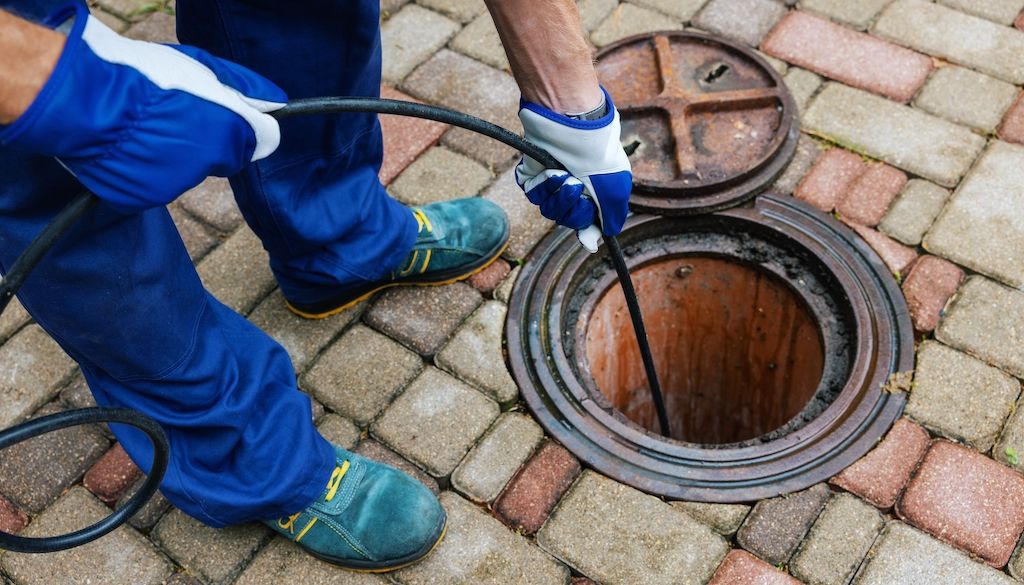
Are your pipes constantly clogged? Have you tried using a plunger to apply air pressure, but the clog just won’t give?
Constantly dealing with stubborn clogs and the buildup of dirt, grease, and other debris in your pipes can be a pain. If you've done everything you could but nothing seems to work, you may want to try hydro jetting your pipes or sewer system instead.
How does hydro jet drain cleaning work?
Hydro jet drain cleaning is a technique plumbers use to clear clogged plumbing vents with high-pressure water jets. This cleaning system uses an engine, pump, hoses, pipes, nozzles, and other components. Think of it as power washing your pipes to break up and remove long-stuck grease and dirt.
Before hydro jetting begins, plumbers usually perform a camera inspection. During this step, a small video camera is inserted into the pipeline to determine where the blockages are and assess the condition of the pipes. Viewing the drain pipes in advance also helps determine which nozzles to use and how much water pressure to apply.
A long hose with a special nozzle designed to remove dirt, grime, and grease is then inserted into the drain. Water jets blast away debris and blockages, clearing the pipes and restoring proper flow. Because the hose is flexible, like a garden hose, it can access plumbing and sewer lines throughout the system. You can also choose hot or cold water, which helps flush grease and oils out of the drainage system.
Compared with cheaper, short-term solutions that can lead to ongoing plumbing issues, hydro jetting is often a better long-term solution.
How often should you hydro jet your plumbing?
Ideally, you should hydro jet your plumbing system every couple of years to keep it in top condition. However, you may want to do it more frequently. Consult your plumber for expert advice.
You should also watch for warning signs that it may be time to consider hydro jetting your plumbing system:
- You have slow-draining sinks, tubs, or showers.
- Your vent stack — a vertical pipe extending from your sewer system — is clogged.
- You hear gurgling sounds coming from your plumbing system.
- You smell an unpleasant odor coming from your drains.
Hydro jetting pros and cons

Before you hydro jet your sewer pipes or vent system, it’s best to understand the benefits and drawbacks of hydro jetting:
Pros:
- It can be more cost-effective in the long run.
- It doesn't just get rid of clogs; it cleans your entire pipe system.
- It's the more environmentally friendly option compared with chemical drain cleaners.
- It's a quicker and more efficient way to clean your pipes.
- It can help prevent major plumbing issues in the future.
Cons:
- It's usually more expensive than other clog-removing options.
- It may damage old, broken, or brittle pipes, which is why a video inspection is crucial.
- It's not suitable for minor clogs.
- It requires professional expertise and equipment.
- It can be messy and disruptive.
Hydro jetting vs. snaking — which is better?
If your vent is clogged and a plunger doesn’t work, you’ve probably encountered the drain snake — also known as the plumbing snake or the toilet jack. Some drain snakes have hand-cranked augers, while others use motorized electric augers to clear larger debris.
When a snake is used to unclog a plumbing vent pipe, it can bang around inside the pipe and lead to scratches, nicks, and divots. These damages can reduce flow in your drainage system, and some pipes may eventually break.
In short, drain snakes cannot clean as well as hydro jetting. They can leave behind clumps of debris and grease. The manual operation of the auger and the lack of water make it a short-term fix for minor clogs. It won’t thoroughly cleanse your plumbing system, and it isn’t the best long-term solution to clog problems.
Hydro jetting, on the other hand, doesn’t stop at removing clogs. It can clean your entire system. The pressurized water blasts through blockages, sediment, debris, and other pipe buildup. While it may damage old, brittle pipes, the camera inserted at the start allows you to see your pipe's condition before you begin hydro jetting.
Is hydro jetting worth it?
If you’ve got dense, stubborn clogs that refuse to go away, hydro jetting could be a good option for you. It does a thorough job of removing stuck grease, dirt, and debris from your pipes, so you don't have to worry about recurring clogs.
Consult a professional plumber near you to learn more about hydro jetting costs and determine if it's a good idea.
Find plumbers who offer hydro jetting services
Hydro jetting is best done by an expert hydro jet plumber who has received proper training. It requires the right know-how, protective gear, and experience. If you’re done dealing with the grease and dirt clogging your drain vent, it may be time to give your plumbing system the cleaning it needs.
Download the Thumbtack app today to see a list of top-rated plumbers near you. Start reaching out to gather price quotes and schedule an appointment.
FAQs
How long does it take to hydro jet a sewer line?
Hydro jetting takes about one to two hours for a sewer line. It may also take several hours, depending on the length of the sewer line and how much dirt needs to be removed. If there are particularly stubborn clogs, it may take a little longer.
How often should you hydro jet sewer lines?
Your pipes and sewer lines are continuously working. That’s why it’s important to schedule regular cleanings of your sewer line to avoid grease, dirt, and debris getting stuck in there.
How it works.

Search.
Browse profiles, see prices and use filters to find pros who match your project.

Chat.
Contact the pros you like to discuss project details.

Hire.
Check pro availability and book appointments right in the app.
Find local pros for your project
Tell us what you're looking for and we'll show you pros right for the job, with prices.