What is LVP flooring? Pros, cons and cost
By Tamara Aspeling•Last updated Dec 15, 2022
Last updated Dec 15, 2022
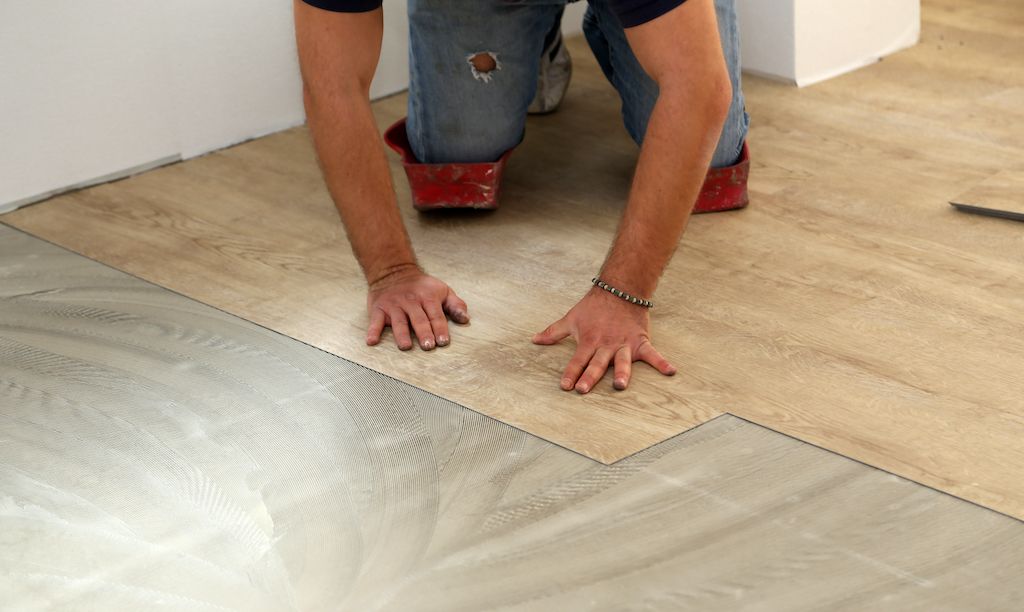
Ask anyone what their dream flooring is, and they’ll probably say hardwood. It’s beautiful, timeless and long-lasting. But, hardwood isn’t always practical for every home. When you have a high-traffic room or hallway with kids, dogs and people passing through all the time, wood flooring is not your friend. It will chip. It will dent. And if you spill anything on it, you better pray it doesn’t warp. Enter: luxury vinyl plank flooring.
Luxury vinyl plank flooring (called LVP flooring) is an excellent alternative to hardwood floors. It’s easy to install and clean LVP flooring, and it can mimic the appearance of wood. Keep reading to learn everything you need to know about this unsung flooring hero.
What is LVP flooring and how is it made?
LVP flooring is made from polyvinyl chloride, or PVC. This type of plastic is used in a variety of home construction projects. LVP has several layers, including a clear wear layer, cushion layer, embossed vinyl layer, and backing layer. Those layers are pressed and melted together to form a finished vinyl flooring plank that’s durable, waterproof, and realistic-looking.
LVP flooring pros
If you think of old-fashioned vinyl flooring when you hear “vinyl,” think again. Modern LVP flooring is one of the more attractive alternative flooring materials on the market. Here are the main reasons homeowners choose it:
- Appearance. Modern vinyl plank flooring doesn’t look like plastic. Thanks to updated designs and the manufacturing process, it closely resembles wood.
- Durability. LVP flooring is very durable and can last up to 25 years. It doesn’t fade easily, resists scratches, and is waterproof. Even your dog may have a hard time scratching it up.
- Maintenance. LVP is relatively easy to clean. You can use a dry mop, soft-bristle brushes, and mild detergent to care for your floors.
- Design options. Wood-grain LVP flooring is one of the most popular choices, but you can also find colors that resemble different wood species, such as grey ash and brown oak. You can even get luxury vinyl flooring that looks like stone and tile. If that interests you, you may want to consider luxury vinyl tile (LVT) flooring.
- Easy installation. Vinyl plank flooring is easy to install. In high-traffic areas, you can install the planks using adhesive. Or, install them as a floating floor in places where you may need quick access to the subfloor. The planks click together, making it a good DIY project for people with patience, some skill, and essential tools.
- Cost. Fast installation also means lower labor costs if you hire a contractor. On average, expect to pay about $2 to $6 per square foot to install LVP floors.
LVP flooring cons
Even the best products have a few drawbacks, and LVP flooring is no exception. Here are some of the less appealing things to keep in mind:
- Quality can vary enormously. High-end LVP is very different from cheaper products. Talk to your contractor about the product you’re considering, and make sure you can avoid fading and discoloration.
- Volatile organic compounds (VOCs). Flooring products can emit VOCs, which can harm your indoor air quality. LVP is no exception. Fortunately, low-VOC and completely VOC-free options are available. You’ll need to do some research and talk to a professional.
- Hard to repair. While you can replace individual planks of LVP flooring fairly easily, as long as they aren’t glued down, you can’t refinish this type of flooring. When it’s past its prime, you’ll need to replace the flooring completely.
- Resale value. Vinyl flooring can increase the value of your home compared with carpet or tile, but don’t expect as much of a boost as you would from hardwood flooring.
- Dents. LVP is scratch-resistant, but you can still dent it if you drop a heavy object.
LVP flooring is a good option for most homes, but it’s not perfect. Like any flooring material, it’s important to weigh the pros and cons before you commit.
Where to install LVP flooring
Generally, you can install luxury vinyl plank flooring in any part of your home.
| Room | Can you install LVP? |
|---|---|
| Basement | Yes |
| Bathroom | Yes |
| Bedroom | Yes |
| Craft room | Yes |
| Dining room | Yes |
| Kitchen | Yes |
| Laundry room | Yes |
| Living room | Yes |
| Mudroom | Yes |
| Outdoor areas | No |
| Playroom/kids’ room | Yes |
LVP is a great choice for bathrooms and kitchens because water and steam won’t easily damage the material. However, you still need to be careful not to let water get under the flooring. Standing water under any type of flooring can quickly result in mold growth. So be sure to use the glue-down installation process in these rooms, and prepare the surface properly.
LVP flooring can also be installed in kids’ playrooms, craft rooms where you may need to clean up paint spills, and family rooms where there will be games of tag and excited dogs running around. Some people don’t like hard flooring in bedrooms, but it’s an option if you’re ready to replace your bedroom floors. Adding a few rugs for warmth and sound dampening is always a good idea, too.
Basically, vinyl plank flooring is an ideal choice for anywhere in your home where:
- There’s a lot of foot traffic.
- People aren’t very careful with drinks and other liquids.
- You tend to drop items on the floor from time to time.
How much does LVP flooring cost?
How much does luxury vinyl plank flooring cost? As with any building project, the answer is: it depends. There are many vinyl plank flooring products with different price points. However, a ballpark range for LVP is $2 to $6 per square foot.
Labor and installation conditions will affect the final price of your LVP flooring. For example, a more complex installation with lots of cutting and odd angles will be more expensive than installing LVP in a large square room. Likewise, the type of underlayment or preparation, whether the floor is glued down, and many other factors will play a role in the price. Even the size of the planks can affect installation cost. Smaller planks usually take longer than larger ones to install, so you might pay more for the former.
Different types of vinyl flooring can also have different lifespans. It may be better to invest in a more expensive, higher-quality product that gives you 20 years of service than a cheaper one that lasts 10.
When you get price quotes from contractors, ask plenty of questions about the installation process, such as, “How long will the process take? What are some ways I can lower labor costs?” You should also ask your contractor whether they recommend any specific LVP brands, and why.
Considerations when choosing LVP flooring
LVP is a popular flooring option, and there are many manufacturers and products on the market. As a result, there’s a lot to consider when you’re planning your project. Keep these points in mind:
- What thickness do you need? Some LVP products are as thin as 2mm to 3mm, while others are up to 5mm. You can usually use thinner products in lower-traffic areas, but it’s worth choosing a thicker one if the area will get a lot of activity.
- Printed or inlaid color? As the name suggests, printed vinyl flooring has the color and pattern applied only to the surface. It’s cheaper but easier to damage. An inlaid color goes all the way through the flooring and will retain its color throughout its lifespan.
- Floating or glued? Floating vinyl floors click together. There’s no adhesive, and they can even be installed right over an older type of flooring like tile. It’s a DIY-friendly project that doesn’t always require a professional. Glued-down LVP flooring requires a strong adhesive, making it more durable but more difficult to install or remove. This type of installation requires a professional.
- What’s the width? LVP flooring is available in different plank widths, from as little as a couple of inches to up to 11 inches wide. Most vinyl plank floors are 4 to 6 inches wide.
- Which color, pattern, or design? Many colors and designs are available across several product lines. LVP flooring comes in wood grains with different shades and styles.
Whatever flooring you choose, always buy a few extra boxes of material. You never know when you might need to repair or redo part of the installation. Also, different batch numbers might not match, and manufacturers sometimes discontinue colors and designs.
Use Thumbtack to install LVP flooring
Now that you know the answer to the question “what is vinyl plank flooring,” the only real question is: what are you waiting for?
While vinyl flooring may not be perfect, it’s one of the most versatile flooring options out there. It can stand up to everything your family throws at it, and it’s affordable compared with other flooring options. So start searching for a contractor near you today.
FAQs
What is the difference between LVP and standard vinyl flooring?
On the surface, LVP flooring and standard vinyl plank flooring look pretty much the same. The difference is mostly in the thickness of the product. LVP tends to be thicker than regular vinyl flooring, which can make it feel better underfoot. It’s also a little better at dampening sound.
Is LVP the same as laminate?
No. Laminate flooring might look similar to wood-grain LVP on the surface, but underneath, they are very different.
As the name suggests, luxury vinyl flooring is made from a special kind of plastic all the way through. Laminate, on the other hand, has a thin layer of wood-grain material bonded to a base made from a combination of wood and resin.
Which is better: LVP or laminate flooring?
Both LVP and laminate are affordable alternatives to hardwood flooring. Both have also improved dramatically over the years.
However, while laminate flooring might feel a little better underfoot, it can’t match LVP’s durability and water resistance. So if you’re looking for something that’s great for high-traffic areas, LVP wins every time.
Is LVP or laminate cheaper?
Luxury vinyl plank flooring and laminate cost roughly the same. However, prices for both products can vary widely depending on the type of product you buy and the installation conditions. If you’re torn between the two options, it’s a good idea to get quotes from several contractors near you so you can compare them side by side.
How it works.

Search.
Browse profiles, see prices and use filters to find pros who match your project.

Chat.
Contact the pros you like to discuss project details.

Hire.
Check pro availability and book appointments right in the app.
Find local pros for your project
Tell us what you're looking for and we'll show you pros right for the job, with prices.