Why is my washer leaking? 7 culprits and easy fixes
By Vanessa Wolf•Last updated Jul 24, 2023
Last updated Jul 24, 2023
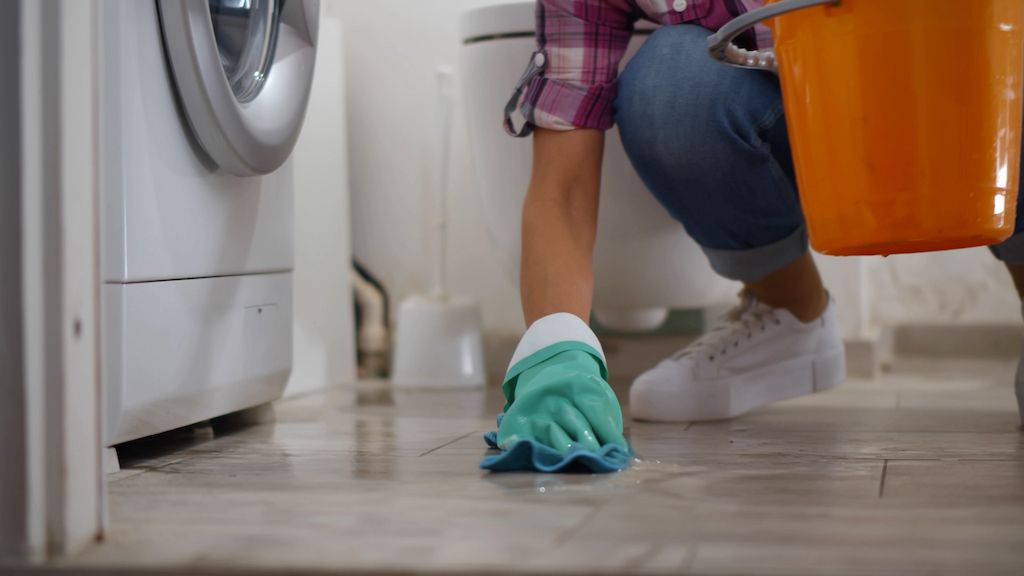
A washing machine leak is a hassle. The last thing you need to worry about is water seeping from your machine, causing a huge mess and destroying your floors.
The first step to fixing a washer that's leaking is determining the source of the leak, which can be tricky if you don’t know what you’re looking for. In this article, you'll learn what causes a washing machine to leak. Plus, get tips for fixing the problem and when to call a washing machine repair professional.
7 reasons why your washing machine is leaking
Whether you have a front-load washer or a top-loader, there are a few reasons your washer may be leaking.
When identifying where water may be coming from, look for signs of excess moisture or puddling. Also check the back wall, the floor, and, for front-load washers, the door area.
Now, let's look at the common reasons a washing machine may leak. Unless otherwise noted, these problems can apply to both front-load and top-loading washers. It is always a good idea to consult your owner's manual before performing any repairs on your own.
1. Water supply issues
There could be a problem with your water supply connection. The water supply connection typically runs from the water valves to the washing machine. If the connection is loose, it may cause water to leak at the attachment point.
If you see a puddle below the water supply connection, tightening the inlet valve attachments could solve the problem. If the connection is still loose, you may need to find a washer repair professional to inspect it.
2. Drain pump issues
Why would a washing machine leak from underneath? If your washer is leaking from the bottom, you may be looking at a drain pump issue.
Occasionally, the drain pump becomes clogged. This can cause water to back up and be expelled underneath the washer.
You'll want to inspect the drain and clean out any clogs. If the drain pump is still clogged after that, you may need to bring in a professional.
3. Hose connections
Check the hose connections, as they may be causing your washer to leak. Loose hoses can cause water to spill onto the floor. Inspect all of the connections. If any of them appear loose, tighten them.
4. Load imbalances
Oftentimes, a washer may leak when loaded improperly or overfilled. Make sure you take the necessary precautions to avoid overloading the washer. When overloaded, the tub seal may break and leak large amounts of water.
5. Door seal issues
Front-loading washing machines with door seal problems typically have water dripping from around the door. This is most likely caused by a worn-out or cracked door seal, which may require service by a professional.
6. Water pump problems
Water pumps push the liquid inside the tub out to the drain pipe. If your washer leaks a lot of water, the water pump may be the culprit.
This is not an easy fix for most people, so your best bet is to start with a thorough inspection. If the water pump appears damaged, you should hire a professional to come out and take a look at the machine.
7. Tub seal issues
A washing machine's tub seal plays a crucial role in keeping the tub and the motor connected. If the tub seals become worn out or cracked, you will likely hear a roaring sound during the spin cycle. You may also notice an intermittent leak.
Inspect the seals, and replace them if needed. If this is beyond your scope, or you perform the replacement and the issue persists, find a washing machine repair professional.
Find a washing machine professional near you
A leaking washing machine can be inconvenient, but with the right knowledge, it can be resolved. However, if you're unsure about tackling a repair, don't hesitate to seek professional help.
Plumbing contractors can help resolve water access issues and identify damage to your pipes. A handy person can often help in multiple areas. And a skilled appliance repair technician can accurately diagnose the issue and provide a lasting solution.
Download the Thumbtack app today to connect with professionals in your area who specialize in appliance repairs.
FAQs
Is it safe to use a leaking washing machine?
No, it's not safe to use a leaking washing machine. Leaks can lead to water damage, electrical hazards, and potential mold growth.
If your machine is leaking during the spin or wash cycle, turn off the power. Identify the source of the leak before running any more laundry.
Can overloading a washer cause it to leak?
Yes, overloading a washer can cause leaks. An overloaded washer strains the machine's components, like the tub seal and hoses. This can cause leaks.
The excess weight can also cause damage to the motor and transmission. It's best to follow the manufacturer's guidelines for load capacity.
How long should a washing machine last?
The lifespan of a washing machine can vary depending on usage, maintenance, and quality. On average, a well-maintained washer can last 5-15 years.
However, it's essential to keep an eye out for signs of wear and tear. Address any issues promptly to extend its lifespan.
How it works.

Search.
Browse profiles, see prices and use filters to find pros who match your project.

Chat.
Contact the pros you like to discuss project details.

Hire.
Check pro availability and book appointments right in the app.
Find local pros for your project
Tell us what you're looking for and we'll show you pros right for the job, with prices.