Easy ways to clean your microwave — inside and out
By Maria Liberati•Last updated Sep 28, 2022
Last updated Sep 28, 2022
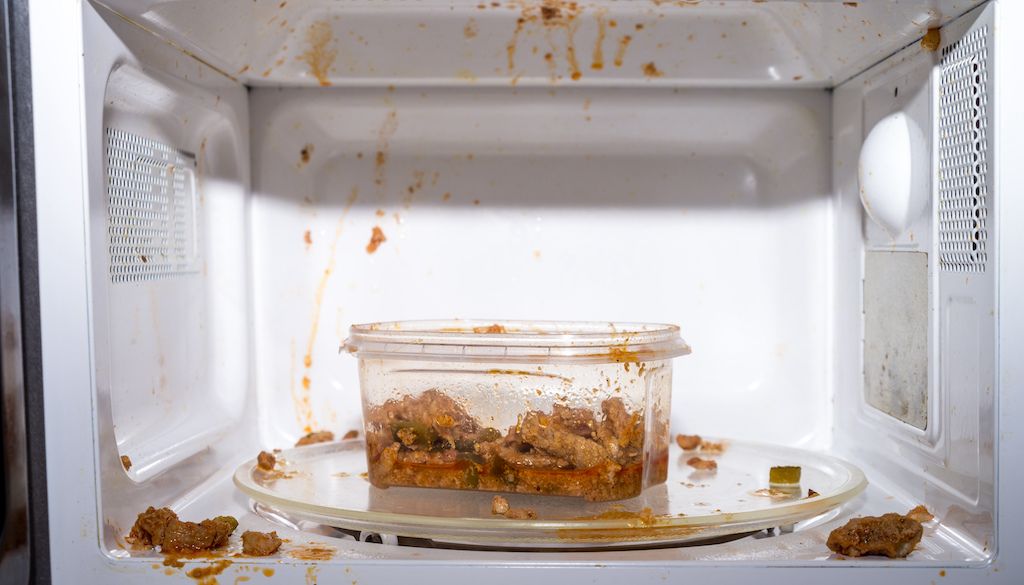
One of the most useful (and sometimes neglected) appliances in the kitchen is the microwave oven. You probably rely on this appliance for quick defrosting, cooking and heating to save time in the kitchen. So, it’s inevitable that splashes and spills will occur. Unfortunately, these messes can dry, stick to your microwave like glue and stain your appliance.
There are many ways that you can keep your microwave clean and in great shape. Use these easy tips to ensure your microwave is sparkling clean inside and out.
What you'll need
- Microfiber cloth
- Distilled water
- Distilled white vinegar
- Baking soda
- Lemon juice
- Dish soap
- Non-abrasive sponge
- Paper towels
- Microwave-safe bowl
How to clean the inside of a microwave
Unplug the microwave before you start wiping the interior, especially around the door seal and the control panel. It takes a second and removes any shock risk from a damp cloth near the controls.
Let's work from the inside out. Because the inside is where food is cooked, it's best to use all-natural, non-chemical products when cleaning your microwave's interior. Food spills and stains often build up inside, especially if you don't clean the appliance after each use.
Start with the microwave plate

Begin with the plate and trolley, which turn the dish while it heats in the microwave. Carefully lift the glass plate out and let it come to room temperature before washing — thermal shock can crack it. Wash it by hand with dish soap, or in the dishwasher if your manual says it's dishwasher-safe. Not all turntables are.
Underneath the plate is the roller ring that the plate sits on. Soak it for an hour in warm water with 2 tablespoons of baking soda per quart, then scrub the wheels with a soft toothbrush, rinse, and dry completely before putting it back. After soaking, rinse and dry it thoroughly before putting it back in the microwave.
Cleaning a microwave with vinegar, lemon and baking soda

Next, clean the interior side walls, which are sometimes the hardest to scrub. Vinegar is mildly acidic, which makes it good at cutting grease and dissolving the mineral film left behind by splatters. Lemon juice works the same way and leaves a fresher smell.
Neither is a disinfectant — if you want to sanitize the interior, the steam from heating water does more than either ingredient. You can combine both in this easy microwave cleaner:
- In a wide, microwave-safe bowl, mix 1 cup of water with 1 cup of distilled white vinegar and the juice of half a lemon. Use a wide, shallow bowl rather than a narrow cup — it reduces the risk of the liquid superheating.
- Drop a wooden spoon or a microwave-safe non-metal utensil into the bowl. This gives the water a surface to boil against, which prevents superheating.
- Set the bowl inside and heat on high for 3 to 5 minutes, until the liquid is steaming. You don't need a rolling boil, and you shouldn't let it run long enough to boil dry — that can crack the bowl.
- Leave the door closed for another 5 to 10 minutes so the trapped steam softens the stuck-on food.
- Open the door carefully and stand back. The escaping steam is hot enough to scald, and so is the bowl — use oven mitts to remove it.
- Once things have cooled, wipe the walls, ceiling and floor with a non-abrasive sponge dampened in the cooled liquid, rinsing the sponge often. Repeat as needed.
If stains or hardened food don't come off easily, repeat the first steps with more liquid and let it boil inside for another 5 minutes. If that still doesn't work, make a paste with three parts baking soda to one part water. Apply the paste to the stuck-on food, leave it for a few minutes, then remove, rinse and dry.
Before reassembling the microwave and closing the door, dry all parts thoroughly. Any dampness can cause bacteria and bad odors.
Use a steam cleaning device

How to clean tight spots and crevices
Some microwaves have small gaps where food collects and a cloth can't reach — around the door seal, along the edge of the door frame, and around the vent louvres on the side or back of the cabinet.
Don't use a pressurized steam cleaner on a microwave.
Forcing steam into the door gap or the vent louvres drives moisture toward the control panel, the door interlock switches and the magnetron, which risks shorts, corrosion and shock. Most manufacturers warn against spraying any liquid directly at the appliance for the same reason.
Use the steam you generate inside instead. Run the vinegar-and-lemon method above to soften everything, then unplug the microwave and work the loosened residue out of crevices with a damp cotton swab, a soft toothbrush, or the corner of a microfiber cloth wrapped around a toothpick. Wring anything damp until it's barely moist.
Be careful around the perforated metal screen in the door. It's part of the shielding that keeps microwave energy inside, so wipe it gently and never poke at it, scrape it, or push anything through the holes. If it's dented, torn or coming loose, stop using the microwave and have it looked at.
How to clean a microwave's exterior

Dust, fingerprints and food stains can dull the shine and appearance of the microwave's exterior. So let's tackle the outside.
Steps for degreasing the exterior
Step 1: Mix a simple degreaser. You'll need a microfiber cloth or non-abrasive sponge, a mixing bowl and a spray bottle. For the spray itself:
- 2 cups warm water
- 1 teaspoon mild dish soap
Step 2: Stir the soap into the water until it's combined but not foamy.
Step 3: Pour it into the spray bottle.
Step 4: Spritz a cloth — not the microwave — and wipe the exterior, working with the grain if your finish is brushed stainless. Follow with a cloth dampened in plain water, then dry immediately with a clean microfiber cloth. Spraying the appliance directly can drive liquid into the vents and control panel.
For hard water spots or lingering haze, wipe separately with a 50/50 mix of white vinegar and water, then rinse and dry. Keep the vinegar and the soap as two separate solutions rather than combining them.
Cleaning the glass door
Wipe the door with a cloth dampened in equal parts white vinegar and water — vinegar cuts through fingerprints and leaves no film. For greasy buildup, use the soap solution above first, then follow with the vinegar mix. Buff dry with a soft cloth to avoid streaks.
How to get rid of foul odors in your microwave

Bad smells in your microwave can affect the odor and taste of any food you cook. If your microwave has a bad odor, it's best to remove it before heating food.
Foul smells are often caused by bacteria and old food spills, but they can also come from strongly scented foods or burnt food. To remove bad odors, try the following:
Oranges and lemons method
If you'd like to try a more fragrant way to eliminate strong odors, try this:
- Place water in a microwave-safe bowl.
- Add half a lemon and half an orange to the water.
- Place the bowl in the microwave on the highest setting for 4 minutes.
- Leave the door closed until it cools.
Baking soda method
Stir 2 tablespoons of baking soda into 1 cup of water in a wide, microwave-safe bowl. Heat on high for about 3 minutes, then leave the door closed for 15 minutes before wiping down.
Or use this vinegar version instead:
- 2 cups water
- 1 cup distilled white vinegar
- 2 tablespoons lemon juice
Combine in a wide, microwave-safe bowl with a wooden spoon in it, heat on high for about 4 minutes, then let it stand with the door closed for 30 minutes before opening. Use mitts — the bowl will still be hot.
Coffee grounds method
You can also reuse coffee grounds to get rid of strong odors by placing ¼ cup of used or new ground coffee in a microwave-safe bowl with 1 cup of water. Heat on the highest setting for 4 minutes. Leave the door closed until it cools.
Always wipe the microwave dry with a non-abrasive sponge or microfiber cloth after removing the bowl of water.
Maintenance tips to keep your microwave clean

With a little prevention, you can help ensure your microwave needs little more than a quick cleanup. Use these maintenance tips to keep your microwave clean:
- When heating foods, always use a microwave-safe cover to prevent splatter in the microwave.
- If you don't have a microwave-safe cover, use plastic wrap labeled microwave-safe, and leave one corner folded back so steam can escape rather than puncturing it. Keep the wrap from touching the food itself. A damp paper towel laid over the dish works just as well and avoids the issue entirely.
- When spills or splashes occur, wipe them up immediately before they dry. Once the liquid dries, it will be much harder to remove the stains.
Important note: Always use microwave-safe containers and covers. Metal containers, or anything containing metal, should never be placed inside the microwave.
Hire house cleaners on Thumbtack
No one truly looks forward to cleaning the kitchen, let alone the entire house. If you're pressed for time, consider booking weekly, biweekly or monthly house cleaning services. Use Thumbtack to hire a top-rated house cleaner near you. Read customer reviews, look at before-and-after photos and get price quotes from several professionals. Start your search today.
How it works.

Search.
Browse profiles, see prices and use filters to find pros who match your project.

Chat.
Contact the pros you like to discuss project details.

Hire.
Check pro availability and book appointments right in the app.
Find local pros for your project
Tell us what you're looking for and we'll show you pros right for the job, with prices.