7 signs you have frozen pipes in your home
By Kristy Snyder•Last updated Feb 26, 2024
Last updated Feb 26, 2024
Table of Contents
- Sign #1: Reduced water flow
- Sign #2: Unusual noises
- Sign #3: Water stains on your drywall or ceilings
- Sign #4: Frost on exposed pipes
- Sign #5: Toilet is running slowly or not flushing
- Sign #6: Bad smells
- Sign #7: Visible bulging
- You have frozen pipes — now what?
- Hire a plumber to find and fix your frozen pipes
Find local pros for your project
Search for pros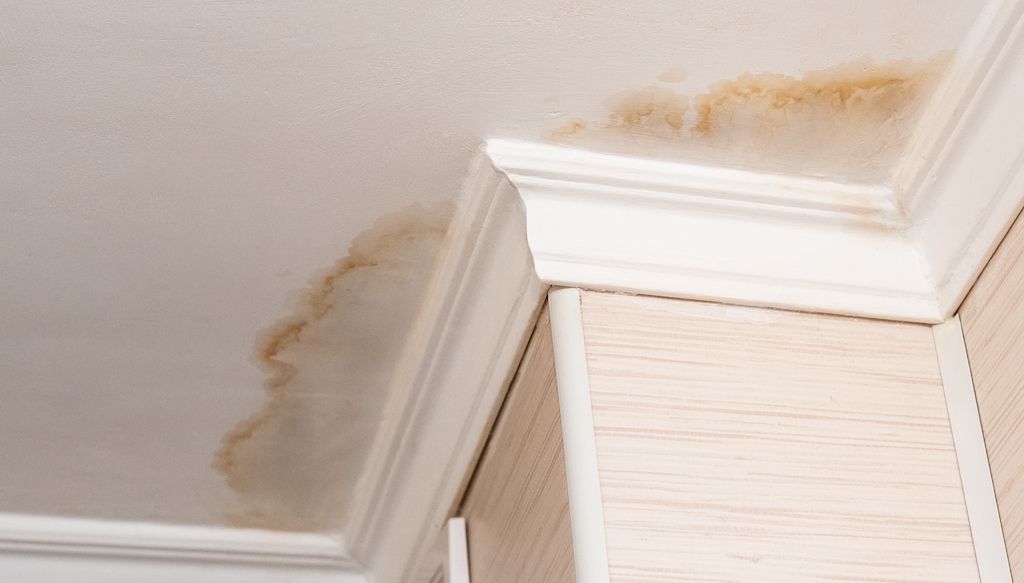
When cold weather hits, your home's pipes are susceptible to freezing. This is especially true in older homes without a lot of insulation or in homes with exposed pipes. But how do you know if your pipes are frozen or just acting up?
Let's dive into the warning signs of frozen pipes in your home so you can know whether or not you've got a problem on your hands.
Sign #1: Reduced water flow

Probably the most obvious sign of frozen pipes is reduced water flow. If you turn on the tap and water runs extremely slowly — or not at all — the pipes may be frozen. A pipe that's completely frozen won't have any flow, but a partially frozen pipe might still have a slow trickle.
While you're waiting for your pipes to thaw, keep your taps open. Even the smallest amount of water flowing through the pipes can help keep them from freezing completely.
Sign #2: Unusual noises

Pipes can make noise, but unusual sounds can be a cry for help. If you hear clanking, banging, or popping when you run water or flush the toilet, it's not a ghost — it could be a frozen pipe struggling to let water pass. The ice inside the pipes moves around, causing the noise.
Sign #3: Water stains on your drywall or ceilings

As water freezes, it expands and puts extra pressure on pipes. This can eventually lead to a burst pipe, which can cause water damage to your walls or ceilings.
This is especially a concern for pipes that run along exterior walls or in unheated areas like the basement. These spaces can get colder than the rest of the house, making the pipes more likely to freeze and burst.
Sign #4: Frost on exposed pipes

Exposed pipes are more likely to freeze because they're not insulated. The upside is that you can often confirm this with a visual inspection. If you notice frost or ice on the outside, it's a clear sign that the pipes may be frozen on the inside.
Next time, take preventive measures. For example, wrap exposed pipes in insulation. An extra layer acts like a warm winter coat and helps keep pipes from freezing in harsh cold.
Sign #5: Toilet is running slowly or not flushing

If your flush seems slower than usual — or, worse, isn't flushing at all — a frozen pipe might be the culprit. If pipes are frozen, there's nowhere for the toilet water to go.
In this case, you'll likely want to hold off on flushing again until you can fix the problem. Otherwise, you risk backing up your system. You may need to hire a plumber to fix the issue.
Sign #6: Bad smells

Your home's water supply pipes aren't the only thing that can freeze. If your sewer lines freeze as well, you might start to notice a bad smell.
Usually, waste moves quickly through the line, but if it's frozen, it stays there. Nasty smells may then make their way backward through the pipes and into your home.
Sign #7: Visible bulging
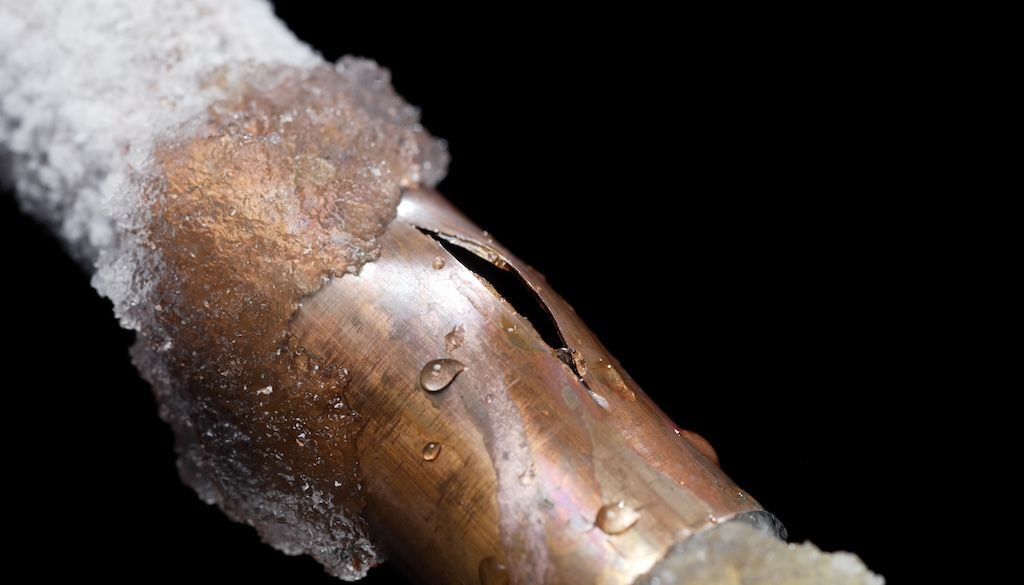
If your pipes are under a lot of pressure from expanding ice, you might see them start to bulge. It may resemble a snake that's just had a good meal. Funny as it might look, it's not great — it means the pipe is close to bursting.
You have frozen pipes — now what?
Now that you know how to tell whether pipes are frozen, your next question is probably, "How do I unfreeze them?" After you find the section of pipe that's frozen, here's a quick list of things you can try:
- Shut off the water to the affected pipe.
- Use a hair dryer or space heater to gently thaw the frozen pipe. Be careful — you don't want to heat the pipe too quickly.
- Put a space heater in crawl spaces to warm unheated areas.
- Open all cabinet doors so they can share heat from the rest of your home.
- Open all your faucets to help relieve pressure in the line.
- Never use an open flame — you don't want to burn your house down.
Hire a plumber to find and fix your frozen pipes
Even if you're unable to find and thaw your frozen pipes, call a plumber right away to help prevent water damage to your home. Luckily, plumbers are pros at this sort of thing.
Skip the stress and download Thumbtack to see a list of top-rated plumbers near you. They'll handle the frozen pipe situation, leaving you with peace of mind and toasty pipes.
How it works.

Search.
Browse profiles, see prices and use filters to find pros who match your project.

Chat.
Contact the pros you like to discuss project details.

Hire.
Check pro availability and book appointments right in the app.
Find local pros for your project
Tell us what you're looking for and we'll show you pros right for the job, with prices.