14 costly home repairs you can avoid
By Thumbtack Staff•Last updated May 11, 2023
Last updated May 11, 2023
Table of Contents
- Problem #1: Foundation damage.
- Problem #2: Clogged and broken gutters.
- Problem #3: Roof damage.
- Problem #4: Termite damage.
- Problem #5: Fallen trees and branches.
- Problem #6: HVAC problems.
- Problem #7: Water damage caused by clogged drains.
- Problem #8: Backed-up septic tank.
- Problem #9: Broken water heater.
- Problem #10: Mold growth.
- Problem #11: Electrical issues.
- Problem #12: Chimney damage.
- Problem #13: Wet basement.
- Problem #14: Dead lawn.
Find local pros for your project
Search for pros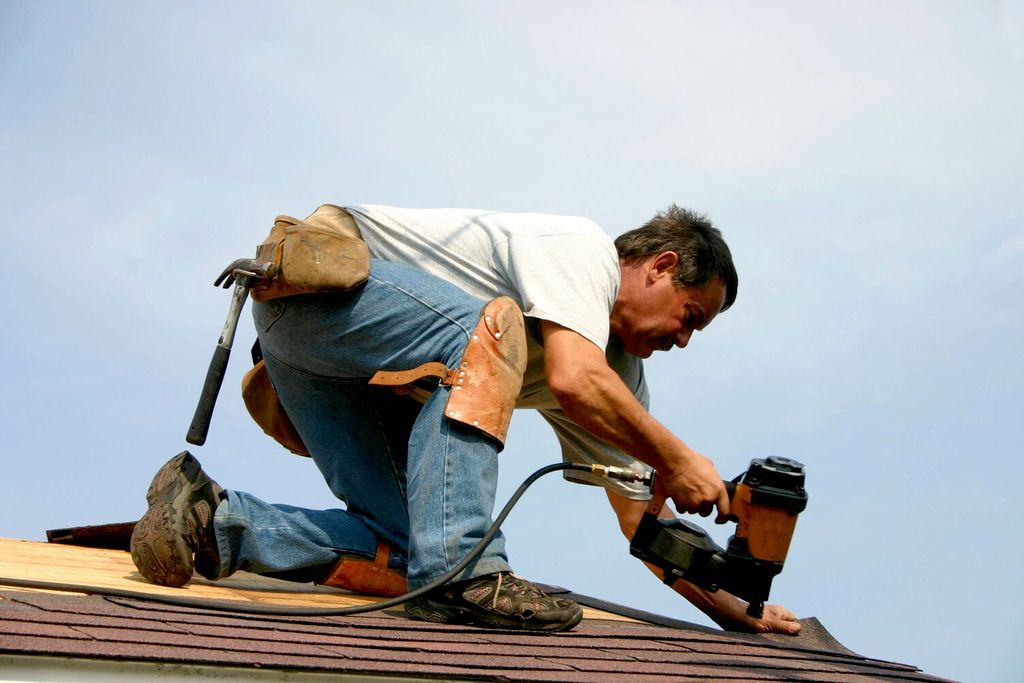
Major breakdowns in your home are no fun. They can be costly and inconvenient while seemingly happening at the worst possible time. Some home breakdowns can even be unsafe for you and your family. Luckily, you can prevent many home issues with a little home maintenance.
Maintenance tasks, like regular inspections or minor repairs, can help ensure that your home is in tip-top shape for years to come. Scroll down to see common home problems, along with steps you can take to prevent them from occurring in the first place.
Problem #1: Foundation damage.

Your home’s foundation is one of its most important structural features. It helps support your home, provide insulation, and prevent water damage. However, many things — including expanding and contracting soil, excess moisture, poor construction, and even earthquakes — can damage foundations. Small amounts of damage can add up over time, leading to foundation cracks, uneven floors, and other structural problems.
Not only can foundation repair be costly — major repairs can cost over $10,000 — but damaged foundations can also be a safety hazard. Minor foundation problems don’t mean you need to evacuate your home; however, if left unchecked, they can worsen over time.
How to prevent it: Regularly inspect your foundation
One way to help catch foundation damage early is to inspect your foundation regularly. This project is free, takes only a few minutes, and should be done at least twice a year.
When inspecting your foundation, look for cracks, gaps, or other signs of damage. You should also look for signs of foundation damage inside your home, such as uneven floors and cracks in the ceiling or walls. If you suspect that your foundation might be damaged — or if you’re unsure — get in touch with a foundation contractor near you to discuss your next steps.
Problem #2: Clogged and broken gutters.

If you live in an area with lots of deciduous trees, your gutters can quickly become clogged with leaves, twigs, pollen, and other debris. While it might seem like a minor problem, clogged gutters can cause roof leaks, foundation damage, and water damage inside your home. These repairs may cost hundreds or thousands of dollars. If you don’t address these problems, they could compromise the structural integrity of your house.
How to prevent it: Clean your gutters
Experts recommend that you clean your gutters once or twice a year, typically during the fall and spring. You’ll need to remove the debris stuck in them and clean out your downspouts. You can tackle this project yourself, but hiring a professional gutter cleaner can save you time and energy. Professional gutter cleaners typically cost around $140 to $170, although prices may be higher depending on the size of your home and the condition of your gutters.
If you find yourself dealing with clogged gutters regularly, you may also want to consider installing a gutter cover. These covers prevent leaves and other debris from getting stuck in your gutters and may reduce the need for frequent cleanings.
Problem #3: Roof damage.

You may not think much about your roof on a daily basis, but it plays an important role in protecting you and your home from the elements. Unfortunately, roofs can and often do become damaged over time. For example, harsh weather conditions may damage your shingles, causing them to curl, buckle, crack, or even fall off. Roof damage can lead to leaks, which in turn can lead to mold growth inside your home and potentially other issues. If the damage is severe, you may need to replace your roof, which can cost between $4,700 and $9,200. In some cases, replacing a roof can cost up to $15,000 or more.
How to prevent it: Schedule a roof inspection
Scheduling a roof inspection at least once a year is a great way to stay on top of roof maintenance. A professional roof inspector will survey your roof for signs of damage and highlight any issues they spot. A roof inspection typically costs between $290 and $350.
Between professional inspections, you can also inspect your roof and attic yourself. Be sure to look for signs of leaks in the ceiling, superficial damage to the roof, or missing shingles. If you experience a severe weather event like a strong storm or heavy snow, it’s recommended that you survey your home to make sure there’s no damage.
Problem #4: Termite damage.

Termites aren’t dangerous to humans, but they can make quick work of the wood in your home, leading to hundreds of dollars worth of repairs. The cost of termite control services is typically somewhere between $250 and $390, but prices can vary. Your home may also need additional repairs depending on how much damage the termites have caused. Because termites eat wood and not paint, it can be easy to miss the signs of termite damage until it’s too late. Therefore, it’s important to pay close attention to the areas of your home that termites love most.
How to prevent it: Inspect your home for termites
Regularly inspect your home for signs of infestation. Signs of a termite infestation may include spotting termites, termite droppings, or hollowed-out wood. Survey both the inside and outside of your home, including outdoor wooden structures like decks and fences.
If you suspect that termites might be eating away at your home, bring in a professional to inspect it. A termite inspection costs around $85 to $150. Some extermination companies will offer a termite inspection for free if you agree to use their services afterward.
Problem #5: Fallen trees and branches.

Strong winds, storms, and hurricanes can knock down tree limbs or knock weak and dead branches loose. For some homeowners, fallen tree limbs can cause hundreds or thousands of dollars worth of roof or vehicle damage, resulting in serious injury. According to the Insurance Information Institute, many homeowners’ insurance policies cover the damage if a tree hits your home or another insured structure due to severe weather. Homeowners insurance policies, however, typically don’t cover damage caused by lack of maintenance or negligence.
While you can't always predict tree limb damage, it's often caused by “hazard trees.” These are trees that are close enough to hit or damage your home. Trees that are very old, decayed, or suffering from root damage may be especially vulnerable.
How to prevent it: Trim your trees
One of the best ways to help prevent future tree damage is to be proactive about trimming trees on your property. Professional arborists can trim and prune your trees, helping protect your home from downed limbs. This is especially important if you have trees whose limbs hang directly over your home or driveway. Tree trimming and removal costs anywhere from $75 to $1,000, depending on the tree’s size, how many you need to trim or remove, and other factors.
You should also regularly inspect trees near your house for dead limbs and signs of decay or damage. Trees that are already unstable or have dead branches are more likely to fall during the next storm or hurricane.
Problem #6: HVAC problems.

HVAC systems — an acronym for heating, ventilation, and air conditioning — play an important role in heating and cooling your home. A properly functioning HVAC system helps your home stay warm in the winter and cool in the summer, keeping you comfortable no matter what the temperature is.
If they’re not properly maintained, HVAC systems can be costly to repair or replace. For example, it may cost about $300 to repair a malfunctioning air conditioning system, but anywhere from around $7,000 to $13,000 to replace it.
How to prevent it: Schedule regular HVAC service
A little prevention can go a long way toward extending the life of your HVAC system. While most HVAC systems typically can run for about 15 years, HVAC maintenance is one of the best ways to avoid replacing your system before you have to. A routine HVAC system check typically costs between $125 and $200.
You should also change the air filter once a month. Not only can this ensure your system is functioning as it should, but it can also help you maintain healthy air quality in your home.
Problem #7: Water damage caused by clogged drains.

Your kitchen sink, shower, or toilet — a clogged drain in any of these spots can easily throw a wrench in your plans. Clogged drains are often caused by putting items down the drain that don’t belong there, from kids’ toys to bacon grease and everything in between.
Not only are clogged drains unpleasant and inconvenient, but they can also be extremely expensive to repair. While minor clogs can be cleared with DIY methods, major clogs may require help from a plumber. Professional drain cleaning costs between $130 and $180. In some cases, a clogged drain can also cause localized flooding or water damage in your home, which can be an additional cost. Water damage restoration can cost a few hundred dollars or more than $4,000, depending on the extent of the water and flood damage.
How to prevent it: Protect your drains
One of the best ways to prevent clogged drains is to only put things down the drain that are meant to go there and install devices that protect them. These include a drain catcher in your kitchen sink to collect kitchen scraps (if you don’t have a disposal), as well as a drain catcher in your shower or bathtub to collect hair.
You might be tempted to place some common items down the drain, like bacon grease, baby wipes, or feminine hygiene products. However, these items can clog your drains and lead to plumbing problems over time. Protecting your drains and limiting the items you wash down them can save you stress and money down the line.
Problem #8: Backed-up septic tank.

Many homes in rural areas aren’t hooked up to a city or town sewer system. Instead, they have a septic system, which is an individual wastewater treatment structure typically located underground. While septic systems work to process wastewater, they can get backed up and less efficient over time. Smaller tanks and tanks serving large households are particularly susceptible.
Not only are malfunctioning septic tanks a health hazard, but overused, improperly pumped, or failing septic tanks can cost $500 to $5,000 to replace. Some companies could even charge more.
How to prevent it: Pump your septic tank
One way to extend the life of your septic tank and prevent unpleasant malfunctions is to stick to a schedule of regular septic tank pumping. Septic tank pumping costs somewhere between $300 and $600. Depending on the size of your tank and the number of members in your household, you may need to pump your septic tank every three to five years.
Another important part of preserving your septic tank is being mindful of what you flush or rinse down the drain. Debris and waste like baby wipes, tampons, paper towels, cooking grease, and more can clog your drains and damage your tank.
Problem #9: Broken water heater.

You may not spend a lot of time thinking about your hot water heater, but you’ll definitely notice if it stops working. From taking showers to washing dishes, a lack of hot water can make basic household tasks much more challenging. Plus, water heaters can be expensive to replace, costing an average of $600 to $2,000. Water heaters may stop functioning properly for several reasons, including a failed pilot light, broken thermocouple, or bad thermostat.
How to prevent it: Perform routine maintenance
To keep your water heater functioning properly, you should perform routine maintenance. For example, you should flush and drain a portion of the tank. This helps prevent sediment buildup and ensures that your tank is working properly. If you don’t want to flush and drain the tank yourself, then you can hire a water heater specialist near you to complete the task. A specialist can also let you know if it’s time to replace the anode rod, fix the pressure relief valve, and more.
Problem #10: Mold growth.
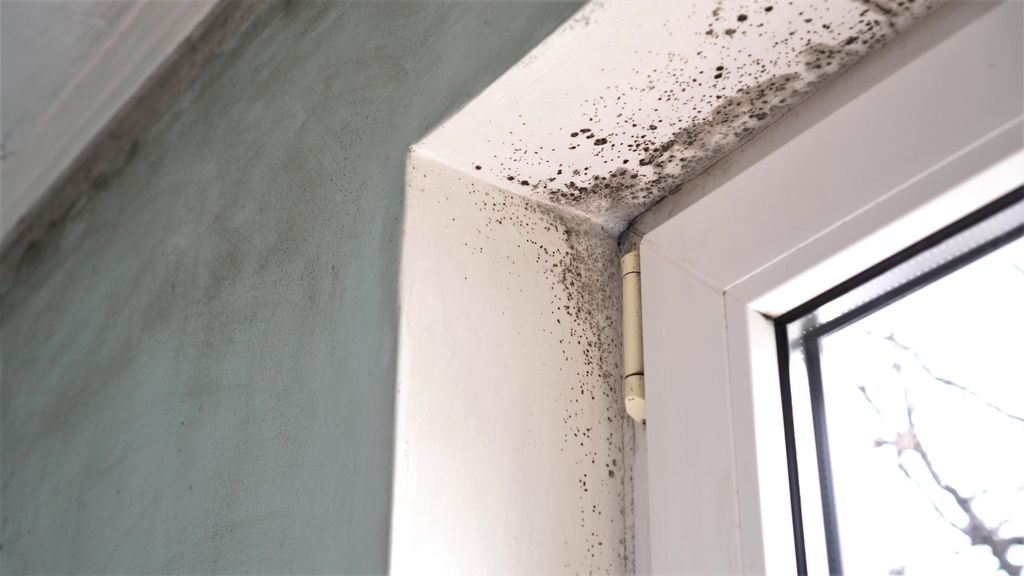
Mold can grow in various areas around your house, like your walls or ceilings. That’s especially true if you live in a damp or humid climate. In some cases, water damage from a leaky roof or flooded basement may also cause mold growth.
Not only is mold smelly and unsightly, but it can also be bad for your health. For example, mold symptoms may include coughing, skin rashes, and burning eyes. On average, mold removal costs $1,000 to $1,300, depending on the severity of the problem and where the mold is located.
How to prevent it: Fix leaks and conduct a mold inspection
Leaks and water buildup can lead to mold growth. Check for signs of leaking inside and outside your home, including in your yard, ceilings and walls, near your appliances (especially your dishwasher, water heater and washing machine), and around your cabinets and sinks. If you notice a leak, fix it yourself or contact a plumber.
If you suspect your home has mold growth, it’s a good idea to hire a professional to conduct a mold inspection and get ahead of the problem before it spreads. A mold inspection typically costs between $250 and $300, which may include swab testing or air cell testing.
Before calling a professional, it’s also a good idea to conduct your own regular mold inspections to make sure that your home is in good shape. Check for water damage, water stains, and warped or cracked ceilings and walls. These could also be signs that you have a mold and moisture problem.
Problem #11: Electrical issues.

Electricity powers almost all the appliances in your home, from everyday appliances like your refrigerator and microwave to frequently used devices like your computer and mobile phone. Without electricity, you wouldn’t be able to carry out common household tasks such as making phone calls, reheating leftovers, or doing laundry. So, to summarize: a problem with your home’s electricity can wreak havoc on your daily life.
But electrical issues aren’t just inconvenient — they can also be extremely dangerous. For example, a faulty electrical system could cause an electrical fire in your home.
How to prevent it: Electrical inspections
Electrical inspections are often required when buying, selling, or renovating a home. However, they’re also recommended if your home is over 40 years old or if you’ve installed major appliances in the last 10 years. Electrical inspections cost between $110 and $125. During an inspection, a qualified electrician will review your home’s electrical system, ensuring that everything is in compliance with code and giving you a list of any recommended repairs or upgrades.
Be sure to keep an eye out for signs that your electrical system isn’t working properly. Sparking or malfunctioning outlets, along with flickering lights, may be signs that something is wrong.
Problem #12: Chimney damage.

There’s nothing cozier than a crackling fire on a snowy winter evening. However, if your chimney isn’t properly maintained, it can be a fire hazard and lead to unsafe air quality in your home. A malfunctioning chimney can even cause smoke and fumes to become trapped, which can lead to carbon monoxide poisoning.
Chimneys may also become structurally unsound due to crumbling bricks or a broken crown. Plus, repairs are often expensive, costing approximately $100 to over $1,000.
How to prevent it: Clean and inspect your chimney
Cleaning your chimney is one of the best ways to ensure that your chimney is in good working order and doesn’t require any repairs. Chimney sweeps will inspect your chimney, remove soot and debris, ensure that your flue functions properly, and recommend any necessary repairs.
You should get your chimney inspected at least once a year, according to the Chimney Safety Institute of America. Make it a point to get it swept and inspected before the cold winter weather hits, when your fireplace sees regular use again. Chimney cleaning and inspection typically cost around $100 to $180.
Problem #13: Wet basement.

Because basements are often the closest rooms to the ground in many homes, they’re prone to flooding and water damage. During heavy rain or flooding conditions, water can seep into your basement and cause water damage, mold, and damage to your home’s foundation. These can lead to health issues, electrical problems, and structural damage.
Condensation, leaks, poor drainage, and other factors can cause excess moisture in your basement. Once your basement is wet, it can be difficult to get it truly dry again — especially if you live somewhere humid and prone to moisture.
How to prevent it: Waterproof your basement
Don’t wait until the first signs of water damage before you take steps to protect your basement from excess moisture. Being proactive about waterproofing your basement can help prevent the problem and save you money.
Basement waterproofing typically costs between $500 and $3,500. This process can include sealing, exterior waterproofing, and installing an interior drain tile system. While the cost of waterproofing a basement may seem high, it can help avoid even more costly issues down the line.
Problem #14: Dead lawn.

Many people take a lot of pride and satisfaction in a healthy, green lawn, so it can be frustrating when yours isn’t up to snuff. Dry, dead grass is unsightly and can prevent you from enjoying your home’s outdoor space. In addition, removing and replacing dead grass can be expensive. For example, sod installation can cost between $600 and $1,300. While there are no health or safety concerns for a dead lawn, it can still be an eyesore.
How to prevent it: Routine lawn care
There are a few things you can do to help keep your lawn green and healthy. You can complete lawn care tasks yourself or hire a professional to complete them. These tasks include lawn aeration, mowing, watering, fertilizing, and more.
It’s important to keep in mind that you don’t necessarily need a lawn. If you’re struggling to keep your lawn in good shape, then you might want to consider other options. For instance, you could plant a garden full of local pollinators to help the bee population in your area, or you could install environmentally friendly landscaping and hardscape features that use less water.
How it works.

Search.
Browse profiles, see prices and use filters to find pros who match your project.

Chat.
Contact the pros you like to discuss project details.

Hire.
Check pro availability and book appointments right in the app.
Find local pros for your project
Tell us what you're looking for and we'll show you pros right for the job, with prices.