Here’s how to unfreeze the pipes in your home
By Nicki Escudero•Last updated Nov 17, 2023
Last updated Nov 17, 2023
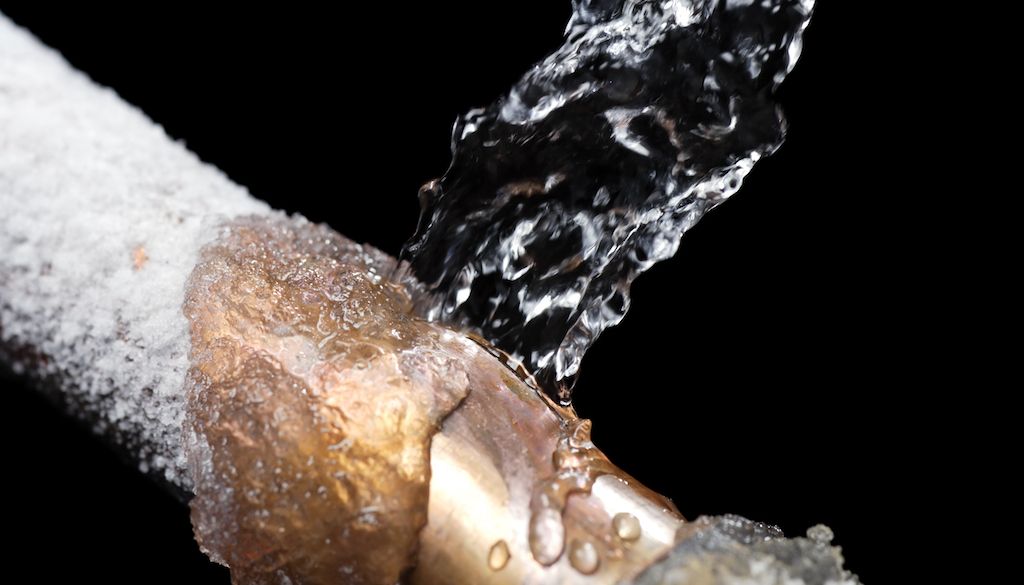
Frozen pipes can cause major inconveniences and costly damage to homes. When water freezes, it expands in volume. That means any water that freezes in a pipe blocks the flow of water. And, it can lead to burst pipes that cause flooding throughout a home.
In addition to water damage, frozen pipes can be expensive to repair when they crack or burst. The good news is that there are ways you can spot, thaw, fix, and even prevent frozen pipes. Here's how.
How to thaw frozen pipes
If you know for sure you have frozen pipes, you need to unfreeze them. Fortunately, you can take steps to thaw them yourself.
What you'll need
A source of heat, such as:
- Electric heating pad
- Electric hair dryer
- Towels soaked in hot water
- Thermostatically controlled heat tape
- A portable space heater
Note: Do not use an open-flame device, such as a charcoal stove, propane or kerosene heater, or blowtorch.
Then, follow these steps to thaw a frozen pipe.
Step 1: Shut off the water supply
First, as you're thawing the pipe, you want to make sure it doesn't burst. You can relieve pressure in the pipe by turning off the water supply.
Step 2: Turn on the faucet
Next, open the faucet. As the ice melts, running water will help melt the remaining ice in the pipe. This will also help you see that you’re effectively unfreezing the pipe.
Step 3: Apply heat
Using your heat source of choice, apply heat to the frozen pipe. You can wrap a heating pad around the pipe or wrap it with towels soaked in hot water. You can also slowly apply heat using a hair dryer or space heater, or wrap the pipes in heat tape.
Step 4: Check the water pressure
Once you've thawed the pipe, partially turn the water supply back on to check the water pressure. If the pipe is leaking, turn the water supply completely off, and call a plumber to prevent the pipe from bursting.
If there aren't any leaks in the pipe, restore the water supply fully and check for full water pressure. Let the water flow for a few minutes to help ensure the ice is completely cleared from the water line.
Step 5: Call a licensed plumber if you need help
You should also contact a plumber if the pipe has burst and water is flooding your home. If this is the case, shut off water and power supplies in the affected area of your home until the pipe is repaired.
Step 6: Repeat with other frozen pipes
If one pipe has frozen, others may also freeze. Check all the faucets in your home to see if you have other frozen pipes. Repeat the steps above.
How to prevent your pipes from freezing
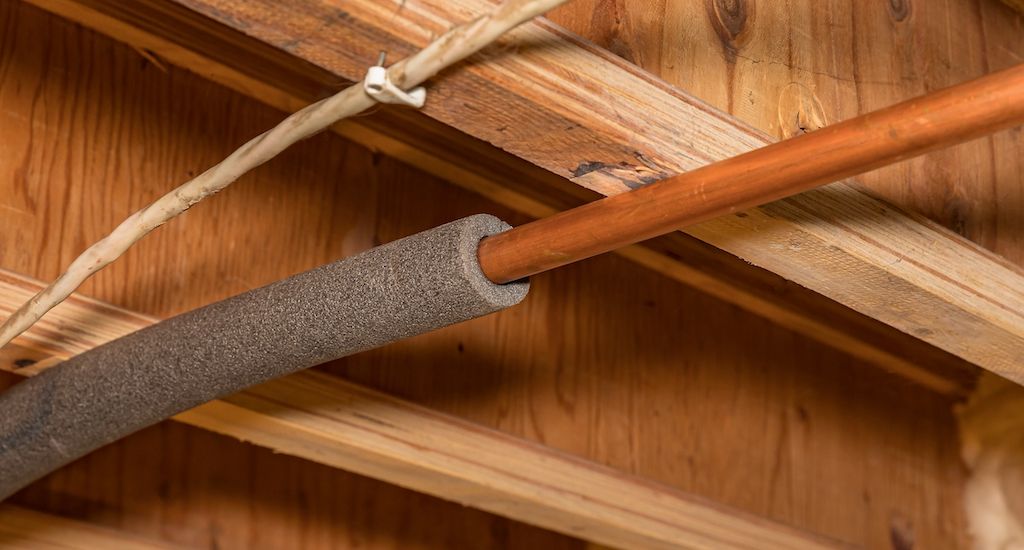
Preventing frozen pipes can save you money, time, and hassle. Use these tips before cold weather arrives to keep your pipes flowing, not frozen:
- Winterize your outdoor plumbing. Drain, disconnect, and store outdoor hoses. Follow the manufacturer's directions to drain sprinkler and swimming pool supply lines.
- Close inside valves that supply outdoor hose bibs. Open outside hose bibs to drain water. Open outside valves.
- Insulate cold and hot water pipes in unheated areas indoors, such as the garage and under bathroom and kitchen cabinets.
- Apply insulation to exposed water pipes close to outside walls and to interior pipes and water tanks in cold areas. You can use pipe sleeves, heat tape, newspaper, aluminum foil, foam rubber, or heat cable products. If you use heating cables with an integrated thermostat, the system will automatically turn on when temperatures drop below freezing.
- Keep garage doors closed if there are water supply lines in the garage.
- Open bathroom and kitchen cabinet doors to circulate warm air around plumbing.
- Run water at a trickle from both hot and cold water taps during extreme cold to prevent frozen pipes.
- Maintain thermostat heating at nighttime, when outdoor temperatures tend to drop.
- Protect your home while you're away. For example, maintain a temperature of no lower than 55°F and turn off all the water.
- Seal exterior wall openings like cracks, windows, doors, and holes with caulk, insulation, or sealant to prevent cold air from entering.
7 signs your pipes may be frozen
The following are some common signs your interior or exposed pipes have frozen:
- There’s a crack or bulge in the pipe with ice seeping out.
- The pipe is covered in frost.
- Your home faucet or drain smells bad.
- There’s no water pouring out of your faucet when you turn it on, or only a slow trickle comes out.
- When you flush a toilet, there are strange sounds coming from the water lines, such as bubbling, whistling, or banging.
- Puddles, rings, or dampness appear on ceilings or drywall.
- The temperature on the pipe falls to 32 degrees or lower.
Pro tip: If your pipes are located in a frosty area, they may not show signs of freezing. However, they may still experience small fractures due to ice expansion. If you want a professional to verify whether your pipes are frozen, call a plumber to take a look.
How to find frozen pipes in your home

Do you suspect you have frozen pipes in your house? There are a few ways you can find them.
For example, keep in mind that frozen pipes are likely connected to faucets that aren’t delivering a regular water supply. Look for frozen pipes outside that run along walls. Check the pipe for cracks, bulges, seeping ice, or frost covering the pipe. If it’s connected to the faulty faucet, that pipe may be frozen.
Are you having issues with multiple faucets? The main supply line may be frozen. Check areas where supply lines enter your home through the foundation. You can then locate the area or areas of the pipe that’s frozen using the signs above.
Use Thumbtack to care for your home
The sooner you deal with frozen pipes, the better. Waiting to fix them could result in burst pipes that cause water damage inside a home and require costly repairs to fix both the pipes and the flooded items.
If you’re having trouble thawing a frozen pipe yourself, or you can’t locate the pipe that’s frozen, download the Thumbtack app to find a professional plumber near you. You can also find pros who offer insulation, weatherproofing, and more.
FAQs
Should I turn off the water if the pipes are frozen?
Yes, you should turn off your water supply if your pipes are frozen to prevent further damage. Do this before you attempt to thaw or unfreeze your pipes.
You can shut off the water supply by locating the main shut-off valve and turning it clockwise. If it's a ball valve, pull it up so it's perpendicular to the pipe.
How it works.

Search.
Browse profiles, see prices and use filters to find pros who match your project.

Chat.
Contact the pros you like to discuss project details.

Hire.
Check pro availability and book appointments right in the app.
Find local pros for your project
Tell us what you're looking for and we'll show you pros right for the job, with prices.