12 emergency home repairs you should never ignore
By Thumbtack Staff•Last updated Aug 21, 2023
Last updated Aug 21, 2023
Table of Contents
- 1. Bursting, freezing or leaky pipes
- 2. Leaking from the roof
- 3. Broken water heater
- 4. Overflowing or clogged toilet that a plunger can't fix
- 5. Gas leak
- 6. Malfunctioning air conditioner
- 7. Furnace issues
- 8. Electrical hazards and fire risks
- 9. Cracked windows
- 10. Certain types of cracks in the foundation
- 11. Termites, mice and other pests
- 12. Mold growth
- How to stay prepared for home emergencies and repairs
Find local pros for your project
Search for pros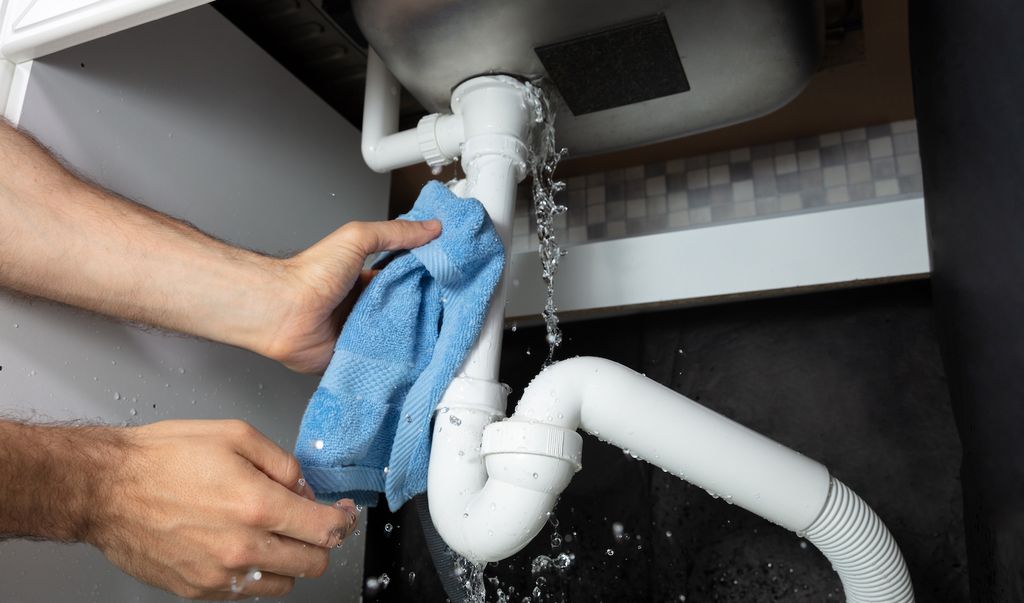
A slow drip coming from your faucet. A small hole in the wall. A weird, musty smell coming from the bathroom. Throughout the years, your home will show signs of needing repairs and seasonal maintenance. The question is: How do you know if that musty smell is harmless or a sign that something is seriously wrong?
Be sure to keep an eye out for the signs of an emergency home repair and take steps to protect your home. Keep reading to see which repairs you should always be prepared to tackle and how to recognize the signs it might be an emergency.
1. Bursting, freezing or leaky pipes
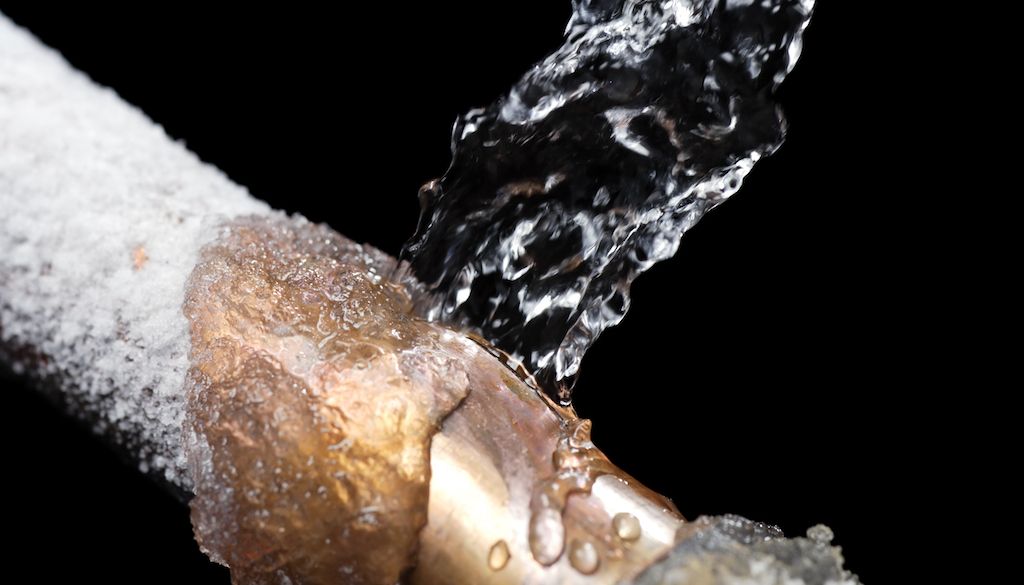
Pipes can burst in cold weather if the water inside freezes. They can also break or leak because of rust or physical damage.
If you don’t prevent and quickly fix broken pipes, the damage to your home can be costly. Flooding can damage floors, walls, furniture and other belongings.
Here are a few signs your leaky pipes may need emergency repair:
- The water pressure has decreased, or there is no water at all.
- There's a strange gurgling sound when the faucet is turned on.
- You see noticeable signs of moisture on the wall or floor.
- The water is discolored or cloudy.
2. Leaking from the roof

If you wait too long to fix a roof leak, your home may be susceptible to mold growth, insulation damage, interior damage or even structural damage.
While a drip inside your home is an obvious sign of a leaking roof, other signs can point to a roof problem. Keep an eye out for:
- Visible roof damage, such as cracks or missing shingles
- Beams of light shining through your attic’s ceiling
- Shingles that are buckling or curling
- Moisture, watermarks or stains on the ceiling or walls
- Mold or fungi on exterior walls
3. Broken water heater

You'll know something is wrong with your water heater when your shower and sink water starts to run cold. However, water heaters can develop other dangerous issues, such as breaks and leaks. These are usually signs of structural damage, or mold and mildew growth.
In some cases, you may be able to repair your broken water heater. That said, if the heater is old, leaking or has excessive rust, you may need a professional to replace it.
Here are a few signs you might have an emergency repair on your hands:
- Rusty, orange-colored or muddy water
- Hot water runs out
- Water with a bad odor
- Standing water accumulating around the water heater
- Strange noises coming from the water heater
4. Overflowing or clogged toilet that a plunger can't fix

If your toilet won’t unclog or if it’s overflowing for no apparent reason, that may be an indicator of a larger problem with your pipes or drains.
When a plunger can’t get the job done, put it down and consider getting a plumber's opinion. It may be a more serious issue if:
- You suspect there's a leak.
- You can’t fix the problem yourself.
- The toilet is clogged frequently, and the water drains slowly.
5. Gas leak

A gas leak can create a bad smell or cause your plants to suddenly wilt. The worst-case scenario is that this could lead to an explosion or illness.
If you suspect your gas line is leaking, call your gas company and local fire department. Evacuate your home as soon as possible. For more guidance, visit the U.S. Department of Energy website.
Here are a few signs there might be an emergency with your gas line:
- The house smells like sulfur or rotten eggs.
- There's dirt blowing in the air.
- You see bubbles in standing water.
- You hear unusual sounds, such as roaring or hissing noises.
- You feel sick (e.g., sudden headaches, dizziness, nausea).
6. Malfunctioning air conditioner

When the hot summer months hit, the last thing you want is a warm, stuffy home. If you don’t fix your broken air conditioner, that’s exactly what could happen.
A broken AC with electrical issues, or one that isn’t properly maintained, could also be a fire hazard.
- The unit is leaking refrigerant.
- Your AC has stopped working.
- You notice your unit is blowing hot air.
- The unit is making a strange noise.
7. Furnace issues

A furnace helps distribute heat throughout a home. If you have a gas or oil furnace, it’s important to regularly clean it and get it checked by a furnace maintenance professional to help prevent deadly amounts of carbon monoxide from leaking.
Here are a few signs you might need emergency furnace repair services:
- A puddle of water is around your furnace.
- The furnace is making more noise than usual.
- Some rooms are colder than others.
- Your energy bills are spiking.
8. Electrical hazards and fire risks

A dead lightbulb is no cause for concern. However, contact an electrician when there are signs of extensive electrical problems. If you don't address major electrical issues, your home could be at risk of an electrical fire.
Here are a few signs you shouldn’t ignore:
- All the lights in the home are flickering or dimming.
- The electrical outlets are dead.
- The breaker won’t reset, or there are frequent breaker trips.
- There's a smell of something burning.
- You see damaged or frayed wires.
- There's a popping or buzzing noise that can be heard from an outlet.
- A light switch or outlet is extremely hot.
9. Cracked windows

Windows keep water, heat and cold out while letting light in. However, stormy weather or a game of catch can cause damage. This may raise your energy bills or let moisture in.
- The glass is severely broken or cracked.
- Water has penetrated the window frame.
- There's noticeable rot or decay on the frame.
- Condensation can be found between the glass.
10. Certain types of cracks in the foundation

Cracks in concrete may not always indicate a severe problem. However, there might be an issue if you notice the cracks are large and spreading quickly. If left untreated over time, you might need to replace the entire foundation, which could be costly.
Consider consulting a foundation repair contractor to inspect your home's exterior and get advice on how to repair the cracks.
11. Termites, mice and other pests

Mice, rats, termites, cockroaches, bed bugs and other pests can cause structural damage to your home and may pose health risks. These pests can also make your home unlivable and uncomfortable.
- There's noticeable damage to walls, wires and other areas in the home.
- Decks, fences and other wooden structures are damaged.
- You see mice/rat droppings or rub marks along walls.
- You see unusual and unexplained bug bites or bumps on your skin.
- You notice pests in or around the home.
12. Mold growth

Mold can grow in areas where there's a lot of moisture. Aside from looking and smelling terrible, a significant amount of mold can cause health issues or structural damage.
Here are a few signs to watch out for:
- Musty, foul odors (especially in the bathroom, laundry, under sinks and anywhere else where water can accumulate).
- Family members feeling sick (e.g., stuffy nose, wheezing, itchy eyes).
- Visible signs of mold (mold can appear black or have a greenish color).
How to stay prepared for home emergencies and repairs
When a home emergency occurs, you need to resolve it ASAP. The longer it takes to research and find a qualified professional, the longer you’ll have to wait for the problem to be fixed.
Step 1: Make a list of qualified professionals in your area
Search for professionals in your area who can address emergency home repairs that you can't DIY. Compare pros and identify those with the highest ratings and best reviews.
Read the reviews thoroughly to get a sense of their quality and accountability. For some repairs, you’ll also want to look at customer photos to judge the work yourself.
Once you’ve found a few pros for each home repair, make a list and get their contact information. This will help you know who to call immediately if your home is in trouble.
Step 2: Create an emergency fund for home repairs
Provided your finances are stable, and you don’t have other pressing financial priorities or obligations, consider prioritizing the creation of an emergency savings fund.
Every month or with every paycheck, set aside a little money that can be devoted to emergencies and home repairs.
Step 3: Call your insurance agent to understand what will be covered in a crisis
Read over your homeowners’ insurance policy to find out if you’re covered in the event of flooding, roof damage, fire damage and other issues in your home. If you don’t fully understand what is covered in your policy, call your agent to get more details.
Step 4: Keep up with regular maintenance and inspections
The best way to avoid costly repairs and breakdowns in the future is to stay on top of home maintenance. Clean your gutters, sweep your chimney, schedule routine HVAC service — these are just a few of the important maintenance tasks you should do throughout the year.
Remember to note any areas or appliances in your home that haven’t been inspected, maintained or cleaned recently. If you see any areas that need repairs, prioritize the ones that need immediate attention and make a plan to resolve them.
How it works.

Search.
Browse profiles, see prices and use filters to find pros who match your project.

Chat.
Contact the pros you like to discuss project details.

Hire.
Check pro availability and book appointments right in the app.
Find local pros for your project
Tell us what you're looking for and we'll show you pros right for the job, with prices.