16 plumbing tools every homeowner should have
By Thumbtack Staff•Last updated Jan 26, 2024
Last updated Jan 26, 2024
Table of Contents
- 1. Wrench
- 2. Adjustable pipe wrench
- 3. Basin wrench
- 4. Cup plunger
- 5. Flange plunger
- 6. Pipe cutter
- 7. Plumber's tape
- 8. Plumber's putty
- 9. Hacksaw
- 10. Pipe insulation
- 11. Plumbing snake
- 12. Adjustable pliers
- 13. Faucet aerator key
- 14. Water pressure gauge
- 15. Pipe clamps
- 16. Press fitting system
- Should you hire a professional plumber?
Find local pros for your project
Search for pros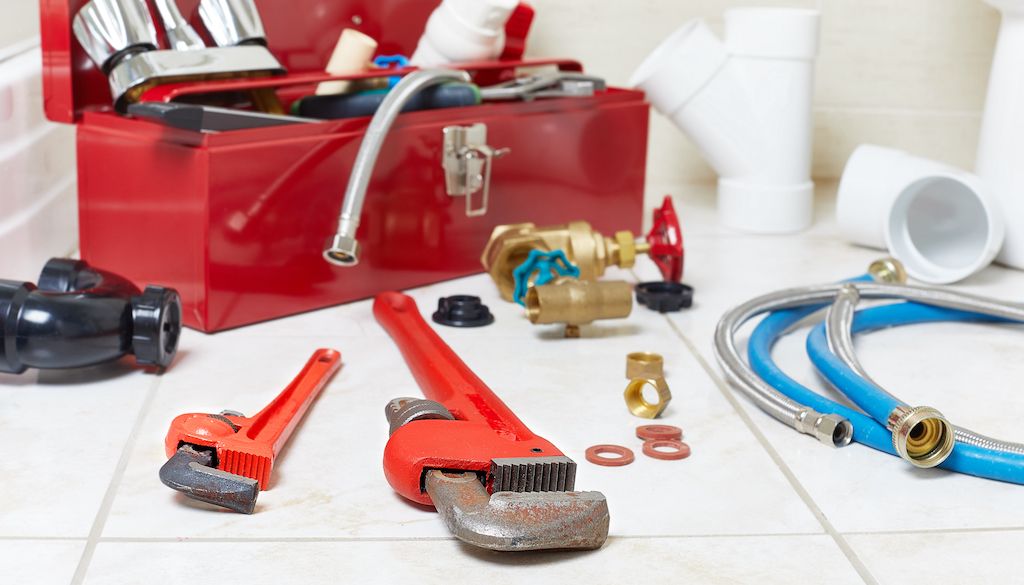
Owning a home comes with its fair share of responsibilities, and plumbing issues are one aspect that can easily catch you off guard. Instead of scrambling when a leak springs or a pipe freezes, be prepared by having the proper tools.
Here's a comprehensive list of plumbing tools every DIY enthusiast should have on hand. Check to see if you're missing any of the following supplies in your toolbox:
1. Wrench

Pipe wrenches are valuable tools to have in your plumbing arsenal. They’re designed for pipes and fittings and provide a firm grip on a variety of sizes. Wrenches let you tighten or loosen nuts and fittings, as well as open and close spigots and sillcocks.
Pipe wrenches come in several sizes. There are compact models for tight spaces and larger, heavy-duty options for bigger pipes. Their versatility makes them useful for installation, maintenance, and repairs.
2. Adjustable pipe wrench

An adjustable wrench’s variable jaw width lets it fit different nuts and bolts, giving you flexibility for many plumbing tasks.
These wrenches, also known as adjustable spanners or adjustable crescents, are handy for working with connections of different sizes.
3. Basin wrench

Use a basin wrench to loosen or tighten nuts in hard-to-reach places, especially under sinks or in tight spaces. It’s especially useful for installing or removing faucets, and it’s essential for plumbing projects where space is limited.
4. Cup plunger

A classic but often overlooked tool, plungers are a must-have in every homeowner’s plumbing kit. There are two main types of plungers. The most popular is the standard cup plunger. This type works well on flat surfaces like sinks.
5. Flange plunger

The flange plunger is designed for toilet drains. It has an extra rubber flap to fit different drain shapes. A reliable plunger, or two, is your first line of defense against common plumbing problems.
6. Pipe cutter

Whether you’re installing new fixtures or handling plumbing repairs, you need a tool that creates clean, precise cuts in pipes and tubing.
These tools come in several types, including traditional pipe cutters and tube cutters, each designed for specific applications. Traditional pipe cutters are ideal for cutting aluminum, steel, or copper pipes. They feature a sharp cutting wheel that rotates around the pipe for a clean, even cut.
Tube cutters are typically used for soft materials, like PVC (polyvinyl chloride) or other plastic pipes. The ratcheting mechanism makes for smooth cutting, and the compact size allows use in confined spaces.
7. Plumber's tape

Sometimes called thread seal tape or Teflon tape, plumber’s tape is a crucial part of any homeowner’s plumbing toolkit.
This thin white tape, typically made of PTFE (polytetrafluoroethylene), creates a watertight seal between threaded pipe connections. Applying plumber’s tape to the threads of pipes and fittings helps prevent leaks. It also lubricates the connection and helps create a secure, tight seal.
Plumber’s tape is especially useful when installing a new shower head, connecting pipes, or replacing a faucet.
8. Plumber's putty
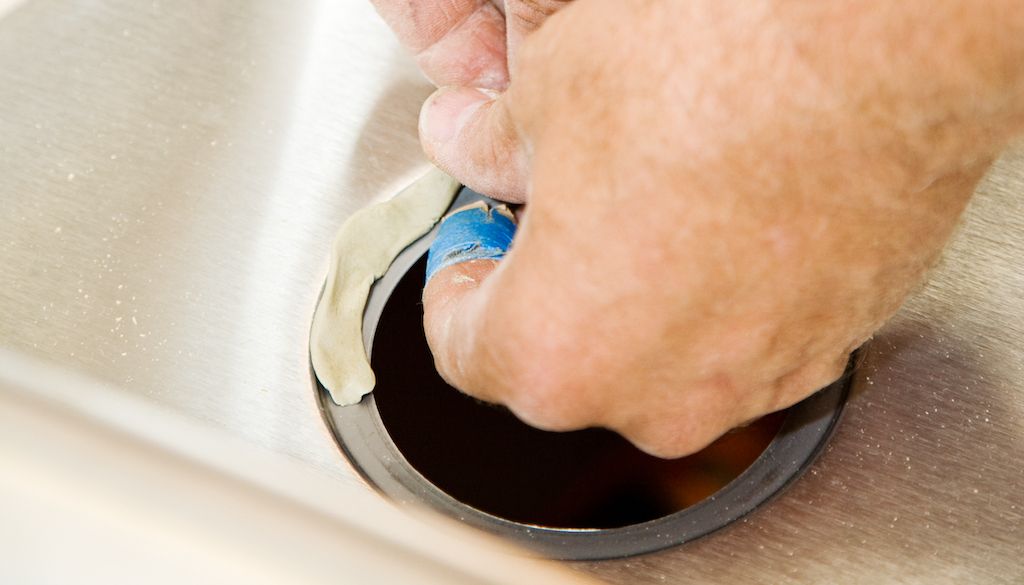
Plumber's putty is another useful material for sealing gaps and preventing leaks in plumbing applications. You can use this pliable substance, which is usually a blend of clay and oil, to create watertight seals around fixtures, including sinks and drains.
It fills gaps and smooths out imperfections, helping prevent water from seeping through. It also stays flexible over time, which helps create a durable, long-lasting seal.
9. Hacksaw

A hacksaw is ideal for cutting through metal pipes and is important for plumbing projects that involve pipe modifications.
With its fine-toothed blade, a hacksaw offers precision when cutting metal, plastic, or other materials. Whether you need to resize a pipe, remove a damaged section, or make custom cuts, its compact size and maneuverability make it useful for different cutting angles and positions.
10. Pipe insulation

Pipe insulation is critical for maintaining a well-functioning plumbing system, especially in regions prone to freezing temperatures.
This material, often made of foam or fiberglass, wraps around pipes to help prevent them from freezing during cold weather. By protecting pipes from freezing, insulation helps avoid costly damage and potential bursts. It also helps keep water flowing at a consistent temperature throughout your plumbing system.
11. Plumbing snake

When a plunger can’t clear a clog, a plumbing snake comes to the rescue. Also known as a drain auger or drain snake, this tool helps clear clogs and blockages within pipes.
A plumbing snake is flexible and elongated, so it can navigate twists and turns to reach deep into drains and dislodge obstructions. With a coiled or spiral metal wire at the end, the snake can physically break up and remove debris to restore water flow.
12. Adjustable pliers

Adjustable pliers should be a staple in your plumbing toolkit. These pliers feature an adjustable pivot point, allowing you to shift between different jaw widths and handle a range of plumbing tasks with ease.
They come in several types, including:
- Wrench pliers for turning bolts without stripping.
- Pipe-gripping pliers for screwing and unscrewing plastic pipes.
- Tongue-and-groove pliers with large, serrated jaws for tightening metal pipes.
13. Faucet aerator key

If your sink tends to collect mineral deposits over time, you may notice erratic or slow water flow. A faucet aerator key is a handy tool for fixing these problems.
This specialized tool is designed for the removal, cleaning, and installation of aerators. Aerators are the small devices attached to the tip of a faucet. They regulate water flow, reduce splashing, and conserve water. Over time, they can become clogged with mineral deposits or debris, which affects water flow.
A faucet key has a shape that matches the aerator design. Unlike conventional wrenches and tools that may scratch or damage the faucet housing, the aerator key is designed for easy, non-abrasive installation and removal.
14. Water pressure gauge

Water pressure is important to a healthy plumbing system, and a water pressure gauge helps you keep it within a safe range.
Excessive water pressure can lead to issues such as pipe leaks, faucet damage, and appliance malfunctions. By checking and adjusting water pressure with a gauge, you can help prevent damage to your plumbing infrastructure and appliances. This can help promote the longevity and efficiency of your entire water supply system.
15. Pipe clamps

Pipe clamps are useful tools for many plumbing tasks. They provide a secure, adjustable way to hold pipes in place during repairs or installations. In other words, pipe clamps keep pipes positioned for precise, controlled work.
Using a clamp mechanism, these devices can be tightened or released to fit different pipe sizes, ensuring a stable grip. You can use them for repairs, soldering jobs, or other plumbing projects.
16. Press fitting system

Years ago, plumbers connected pipes by welding, brazing, and soldering. Today, there’s a more efficient method that uses hydraulic pressure for metal and plastic pipe connections: press fitting tools.
According to the Building Press Journal , "Press fittings have been able to fill a gap in the workforce by reducing the time for installation of a pipe joint by as much as 60 percent."
Should you hire a professional plumber?
While all the items on this plumbing tools list are useful for DIY projects, some plumbing jobs require expert help. If a problem seems beyond your abilities, and you don’t have the right tools or equipment to fix it, reach out to a local plumbing business.
The Thumbtack app connects you with top-rated plumbers in your area. Download the app today and start requesting price quotes from pros near you. They can address your plumbing concerns promptly and effectively.
How it works.

Search.
Browse profiles, see prices and use filters to find pros who match your project.

Chat.
Contact the pros you like to discuss project details.

Hire.
Check pro availability and book appointments right in the app.
Find local pros for your project
Tell us what you're looking for and we'll show you pros right for the job, with prices.