Slate roof tile basics: pros, cons and costs
By Anelisa Nokoyo•Last updated Nov 10, 2022
Last updated Nov 10, 2022
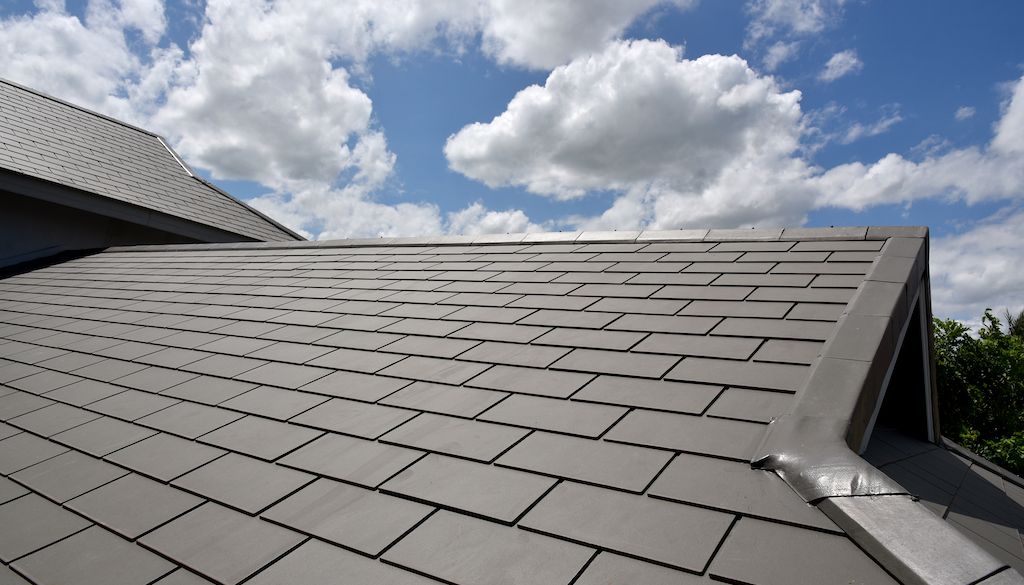
So you’re thinking about installing slate roof tiles on your home? Often considered a “high-end” option in the roof tile hierarchy, slate is a great choice for your roofing system. But before you move forward with this project, you need to know a few details.
Slate roofing has several advantages, from its long lifespan to its durability. However, there are also a few disadvantages when it comes to its cost and the installation process. In this guide, we break down everything you need to know about this attractive roofing material.
What is a slate roof?
Natural slate roofing is typically made from metamorphic rock and has been used in homes and buildings for centuries. Slate is durable and tough, so it can withstand many outside elements. It’s hard but brittle, which means it may crack if a heavy object is dropped on it, and it’s smooth to the touch. Slate is also resistant to insects, fungus, mold and fire, and it has low water absorption.

This roofing material is also very attractive. Its mineral composition determines the color of your slate roofing. Typically, you’ll find slate in natural gray, black, green, purple or red. When you design a slate roof, you can choose a patterned, multicolored or textured look. A slate roof can work with almost any architectural style.
Before being made into roofing tiles, slate is sawn, cut and split before it’s finished and sometimes “flamed” to create a slightly textured finish, according to the Natural Slate Association. In addition to being used as roof tiles, natural slate is also used in flooring, countertops, backsplashes and more.
Slate roof pros and cons
| Pros | Cons |
|---|---|
| Durable | Cost, since it can be expensive to install and repair |
| Fire resistant | Not a DIY-friendly project |
| Insect resistant | Can’t support heavy loads |
| Lasts 60-150 years | Your house structure may not be strong enough to support the tile’s weight |
| Low water absorption | Brittle and may crack if hit by heavy objects |
| Mold and fungus resistant | |
| Requires little maintenance | |
| Available in various colors, styles and designs |
What are the benefits of installing slate roof tiles?
- Curb appeal and appearance. Slate has an effortless charm. That’s why many companies now sell roofing materials that mimic the look of slate for cost-conscious homeowners. Natural slate is more original, striking and distinctive, and it gives you creative freedom with color. Some colors occur naturally, while others can only be achieved with paint.
- Durability and resistance to potential damage. Natural slate can hold up well against insects, fire, rain, snow, wind and hail. It’s resistant to mold and fungus, and its low water absorption helps prevent rotting.
- Long lifespan. Installing slate roof tiles is something you’ll likely do just once in your life. Slate can last 60-150 years. Whether you plan to live in your home forever, pass it down to future generations or sell it later, slate roofing can be a worthwhile investment.

What are the disadvantages of a slate roof?
- Cost. This is an upscale roofing material, so the price will be higher than other roofing options such as asphalt shingles. Slate roofing can be costly because of its prestige and performance. While slate tiles often require little maintenance, repairs can be expensive too.
- Installation. Slate roofing requires trained, experienced and highly skilled roofing contractors and professionals, not just any handyman. You can’t just watch a video online and become a slate roof expert. Research any pro you’re considering to make sure they’ve successfully installed slate roofs before.
- Handling heaviness. Slate tiles don’t do well under serious weight, and they may crack if a heavy object like a tree falls on your roof. Slate itself is also heavy. You may need someone to inspect your home to make sure it can support a slate roof.
How much does a slate roof cost?

A slate roof will cost approximately $800-$1,500 per square, according to the Metal Roofing Alliance. However, several factors can push that price up or down. A professional needs to assess your roof’s condition, layout, slope and size to determine labor costs.
Material costs can also vary based on color, finish and style. Of course, the bigger your roof, the more materials you’ll need — and the more expensive the project will be.
How long does a slate roof last?
Slate has the highest life expectancy of any roofing material, with some roofs lasting 60-150 years. In fact, old buildings, homes, churches and castles around the world still have slate roofs.

As with any part of your home, how well you maintain your roof will affect its lifespan. Climate, environment and weather also play a role in a slate roof’s longevity. Although it’s resistant to hail and wind, extreme weather can still cause dents, cracks and other damage.
Slate roof shingles installed on steeper slopes tend to last longer than those installed on flat roofs. Your roofers should also use nails with a lifespan that matches the slate’s lifespan.
Natural slate vs. synthetic slate roofing
Synthetic, or faux, slate shingles are typically made from rubber and plastic but can look like real slate. For some homeowners, synthetic slate roofing may be a more attractive option, but there are a few things to keep in mind before you go this route.

Some roofing companies claim that synthetic slate is much cheaper than real slate, and that may be true for installation. However, synthetic slate may last only 10 years, which means you’ll need to spend more money to replace it. The Natural Stone Institute also argues that synthetic slate is not as environmentally friendly or easy to maintain as you may think.
Before you choose synthetic slate, do your research. You may want to consider architectural, or laminated, shingles that look like slate. That’s fine, since architectural shingles are a common choice for many homes, but make sure you choose a reputable manufacturer and hire a roofer to install them.
Slate roof maintenance considerations

The secret to getting the most value from your slate roof after installation? Stay on top of maintenance.
Remember these tips:
- Routinely check for leaks, cracks and broken slate tiles. When inspecting your roof, be thorough and check inside and out for leaks. Cracks call for a closer inspection, but that’s probably best left to someone with roofing experience and gear. Check your roof more than once a year, and definitely after severe weather such as hail, hurricanes and high winds.
- Clean your roof and gutters a few times a year. Remove any foreign materials on or around the roof and clear the gutters of obstructions.
- Remove ice buildup. If ice accumulates on the roof when it’s cold, remove it unless you want your tiles to break. Be gentle, and avoid cracking the ice through sudden movements.
- Don’t step on slate roof tiles. Find a way to inspect your roof from the ground up.
- Avoid placing anything heavy on your roof while doing preventative maintenance. If you have a camera that zooms in far enough, use that to check what’s happening up there.
- Contact a professional for repairs ASAP. If you see any damaged shingles, call a roofing professional as soon as possible.
Is a slate roof worth it?

A house constructed with high-quality materials has more value. Because slate roof tiles look great and last a long time, the high cost to install them may be a worthwhile investment for you and your family. Potential homebuyers may find a slate roof refreshing, since there aren’t that many of them out there.
Just remember that while your tiles might last a century, you also need to factor in the cost of maintenance and repairs. Make sure you’re working with a skilled roofer and a reputable slate manufacturer.
Hire roofers on Thumbtack

If you want your roofing done right the first time, with no need for expensive do-overs, hire a professional roofer who can handle the unique challenges and needs of slate roof tiles. A professional can do a clean job that leaves nothing to be desired.
Slate roofs are tricky, so make sure your pro is experienced. You can find slate roofing contractors on Thumbtack, where you can also read customer reviews. Look up the roofers’ licenses and credentials, and review their portfolios to see before-and-after photos of slate roof installations they’ve completed in the past.
Once you’ve picked a few roofers who seem right for the job, ask for consultations and price quotes. Compare several quotes until you feel you’ve found a fair price that fits your budget.
FAQs
Is it OK to walk on a slate roof?
Under no circumstances should you walk on your slate roof, as you’d risk damaging the roofing system and creating ongoing repair needs.
Slate is strong enough for harsh weather, but it generally doesn’t do well under too much pressure from walking. Slate tiles are slippery, brittle and fragile. When professionals install them, they use a ladder or scaffolding.
Why do slate roofs fail?
A few things may cause a slate roof to fail. For example, your slate roof may fail if you walk on it or if the installation was done by a roofer who doesn’t have much experience with slate roof tiles. Heavy objects, trees and hail can cause dents and other damage.
Remember that slate is heavy. So if your home isn’t structurally sound or strong enough to support its weight, it could be a disaster.
Finally, if you don’t maintain your roof, you won’t be able to tell if something’s about to go wrong. If even one slate gets out of place, you need to know about it. The sooner you deal with small problems, the better chance you have of preventing roof failure.
How it works.

Search.
Browse profiles, see prices and use filters to find pros who match your project.

Chat.
Contact the pros you like to discuss project details.

Hire.
Check pro availability and book appointments right in the app.
Find local pros for your project
Tell us what you're looking for and we'll show you pros right for the job, with prices.