7 summer lawn care tips for healthy, green grass
By Thumbtack Staff•Last updated Apr 20, 2023
Last updated Apr 20, 2023
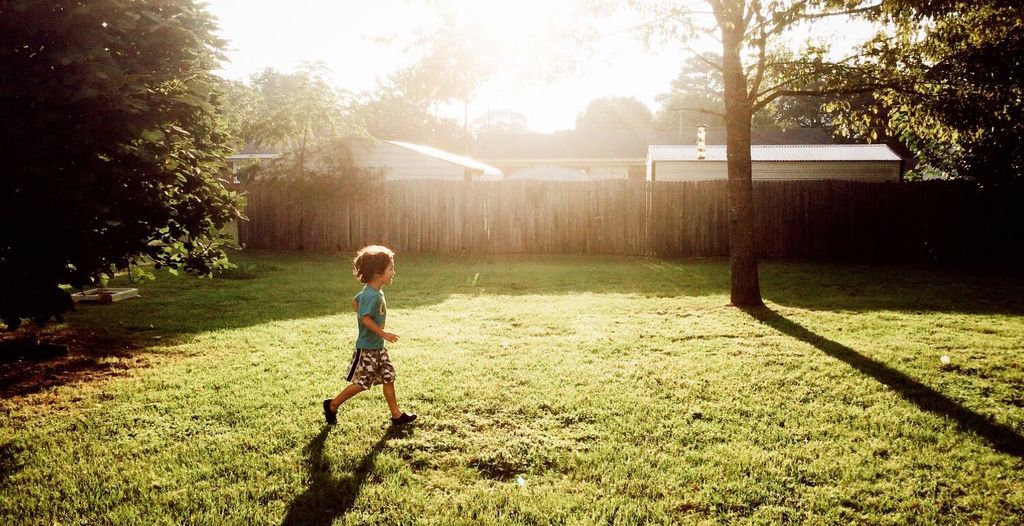
Finally, the weather is getting a little nicer, and it feels glorious to relax and play in the yard after being cooped up indoors for so long. But is your lawn looking a little dry or patchy after enduring a harsh winter and spring?
Use this lawn care guide to ensure you have lush, thick and green grass growing in your yard all season long. Avoid weeds, brown spots and other damage with these easy summer lawn care tips.
Don’t cut your grass too short

We all know mowing your lawn is an essential part of lawn maintenance. But if you mow too short during the summer, you can severely damage and stress your grass. This is called “scalping,” and it can expose your lawn to too much heat and sunlight, making it harder for grass to thrive and easier for weeds to pop up.
Typically, you don’t want to remove more than one-third of the grass blade unless your grass is extremely tall and needs to come down lower. The National Association of Landscape Professionals recommends keeping warm-season grasses, like Bermuda grass or Zoysia, between 1 and 3 inches high during the summer. If you live in a region with drought and high temperatures, maintain the tallest recommended height for your grass.
Here are some of the benefits of taller grass blades:
- They can help your soil stay cool and protect it from the sun.
- They can help prevent weeds.
- They’re softer to walk on.
- They can hide thin, patchy areas in your lawn.
Your mower has settings that control how high or low the blade cuts the grass. Consult your manual for specific steps on how to change the settings, if needed. Keep in mind that your grass may require a different height depending on its species and conditions.
When in doubt, or if you don’t want to spend hot summer days pushing a lawn mower, hire a lawn mowing professional and schedule regular service.
Aerate your lawn if you have warm-season grass
If your soil is compacted, your roots will have a hard time getting the oxygen and nutrients they need to grow strong. That’s where aeration comes in. Properly aerating and dethatching your lawn is one of the keys to growing lush, green grass.
Your lawn doesn’t always have to be aerated during the summer, but there are some instances when aeration can be helpful. If you have warm-season grass, early summer or late spring is often the best time to aerate your lawn. Lawns that see heavy use over the summer may also benefit from aeration.
Don’t overwater your lawn

Some homeowners believe that because it’s hotter outside, their lawn needs more water during the summer. That’s not always the case. In fact, overwatering your grass could cause diseases and weed growth.
Not sure when to water your grass or how much water is too much during the summer? Keep this tip in mind: your lawn should get about 1 inch to 1 1/2 inches of water every week during the summer. That may mean watering only a few times a week.
Morning, usually before 9 a.m., is the best time of day to water your grass. Watering early gives your lawn a chance to soak up the water. If you water at night, your lawn may develop disease and fungus issues. Watering during the afternoon is also a waste of time, money, and water — the heat will evaporate the moisture before it reaches the roots.
If you’re not sure whether your grass is ready for more water, use this advice from the Environmental Protection Agency: step on it. If it springs back, you don’t need to water your grass right now.
Pro tip: Make sure your irrigation system is working properly. Check for broken sprinkler heads, runoff, and unusual puddles of water. If you suspect there’s a problem, hire a lawn sprinkler professional to inspect and fix your system.
Try grasscycling
Do you mow your lawn with a bag? Or spend hours raking up grass clippings? You may be wasting time and money. Instead, give grasscycling a try.
What is grasscycling? When you grasscycle, you leave the grass clippings where they fall on your lawn. The clippings, which contain nutrients and moisture, go back into the soil and act as an effective fertilizer. They can also help you reduce how often you need to water your lawn.
Maintain your lawn mower

Mowing is vital to maintaining a healthy, green lawn during summer. But you can’t mow properly if your lawn mower is in poor shape. Broken wheels, damaged blades, and other problems can result in uneven mowing and other issues.
Add inspecting your mower to your summer lawn care routine. Look for dull, damaged, or worn blades. If the blades are dull, see if you can get them sharpened. Otherwise, you could end up with ragged grass blades that turn yellow or brown.
Changing out old blades before you notice problems is a great preventative maintenance task. But even with new blades, you’ll want to check them periodically, especially if you hear a loud sound while mowing. That could indicate you hit something like a rock, sticks, or that toy that’s been missing for weeks.
It’s also smart to have an extra set of blades on hand. That way, you can rotate the blades and get back to mowing right away. But if your lawn mower is severely damaged, take it to a repair specialist near you.
Feed your lawn as needed
There are a few times throughout the year you should consider fertilizing your lawn. Feeding your lawn in early summer can help it grow strong and protect your grass from heat and drought-like conditions.
However, avoid fertilizing your lawn in hot weather, which can burn your lawn and cause weed growth. Overfertilizing your grass could also burn your lawn, so don’t apply too much. Lastly, don’t fertilize cool-season grass in the summer — wait until fall and spring. If you have warm-season grass, it’s recommended that you add fertilizer in late spring or early summer.
You can also consider applying “summer lawn food” products as needed. These products are meant to help water penetrate dry soil and promote strong, healthy grass roots during the hot summer months. If you’re unsure whether your lawn needs a boost, talk to a lawn care professional first.
Create a summer lawn care schedule — but change course when necessary
Creating a summer lawn care schedule can help you keep track of when to complete different maintenance tasks, especially watering, mowing, and fertilizing.
That said, don't get too hung up on your summer lawn care schedule. Don’t set it in stone because you may need to adjust it depending on the weather, plant growth, and other factors.
For example, wet grass isn’t ideal for mowing. If it rains during the summer, hold off on mowing. On the other hand, you may need to mow more often when your grass grows too high and becomes an eyesore.
A lawn care professional can help you create a semi-flexible schedule that works well for your lawn’s needs.

Thumbtack pros can help your lawn thrive this summer
It’s completely understandable if you have better things to do than take care of your lawn during the summer. Maybe work gets busy or you have travel plans. And lawn maintenance can be physically draining — who really wants to spend hours under the hot sun mowing, watering, or fertilizing the yard?
That’s why Thumbtack is here. Look for local lawn care services that can help you maintain a beautiful, healthy lawn during the summer so you get time and energy back.
More summer project guides:
How it works.

Search.
Browse profiles, see prices and use filters to find pros who match your project.

Chat.
Contact the pros you like to discuss project details.

Hire.
Check pro availability and book appointments right in the app.
Find local pros for your project
Tell us what you're looking for and we'll show you pros right for the job, with prices.