Top-load vs. front-load washer — which one should you buy?
By Evan Crowther•Last updated Aug 10, 2023
Last updated Aug 10, 2023
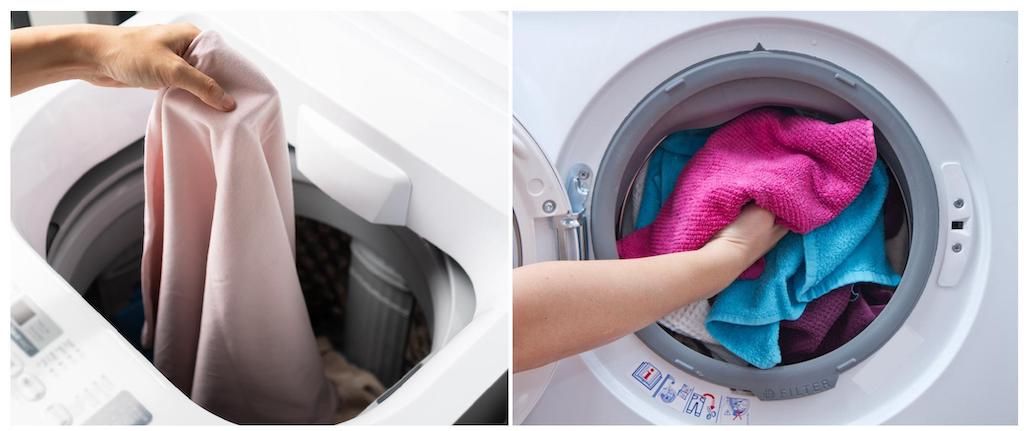
If your existing washer is beyond repair, it's time to replace it. One of the first decisions to make is whether to buy a top-load or front-load washer.Can't decide which one to buy?
Here's an in-depth comparison of front-load washers vs. top-load washers. Discover the pros and cons of each option, and you can determine the ideal washing machine for your home.
Front-load vs. top-load washer comparison chart
| Better for… | Front-loader | Top-loader |
|---|---|---|
| Lower upfront costs | X | |
| Lower water usage | X | |
| Less noise | X | |
| Stain removal | X | |
| Faster wash cycles | X | |
| Shorter drying times | X | |
| Washing delicate items | X | |
| Ease of use | X |
Top-load washing machine overview

Top-load washers are familiar to most homeowners. This type of washing machine is more common in homes than front-loaders, even though it uses more water and power. The drum is upright, with the loading door on top of the machine.
Pros of top-load washers
- Ease of use. You can use the machine while standing up instead of bending over because the door is on top. You can also add clothes at the last minute without stopping the cycle.
- Less expensive. Compared with front-load washers, top-loaders are generally a less expensive option for homeowners. According to Consumer Reports, the median upfront cost of a top-load agitator is $619; front-loaders have a median cost of $827.
- Faster wash cycles. Most top-load agitator washers take less time (35-65 minutes per load) to wash clothes than front-loaders (70-120 minutes per load).
Cons of top-load washers
- Water and energy consumption. Top-load washers can often use twice as much water as front-load models and consume more energy.
- Less gentle with clothes. Because they often use a central agitator, top-loaders can wear out delicate garments over time.
- Noisy. Top-load washers with agitators instead of impellers can make a lot of noise. You may notice drumming, thumping, or clanking sounds with a top-loader.
Front-load washing machine overview
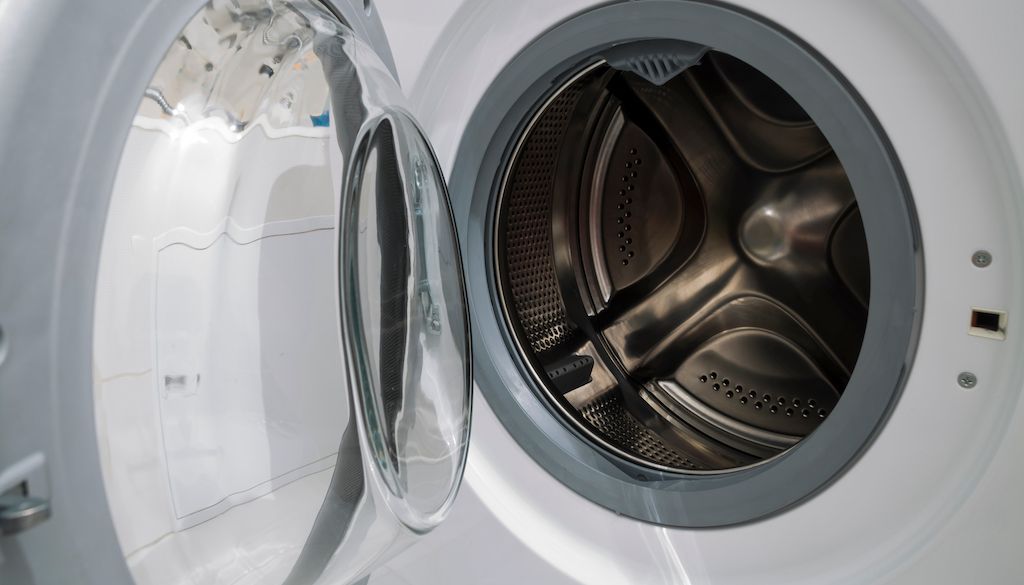
Although top-load washing machines are more common, any homeowner who has been to a laundromat will recognize a front-load washer. This style of washing machine has a loading door on the front.
Their efficiency has made them more popular with environmentally conscious homeowners in recent years. Like top-loading washers, front-loaders have their pros and cons.
Pros of front-load washers
- Less water usage. Top-loading machines use more water than front-loaders.
- Cleaning power. Front-loaders are often more effective at removing stains. Their drum’s tumbling motion is gentler on clothes while still getting a better clean.
- Stackable. Stacking a dryer on top of a front-load washer is a good choice for homeowners with limited space. However, remember that stacking is not possible for all front-loaders.
- Quieter operation. Front-loaders often have less noisy wash cycles at higher spin speeds than top-loaders.
- Faster drying times. Front-load washers remove more water from clothes during the spin cycle. This means clothes often take less time to dry than with a top-loader.
Cons of front-load washers
- Difficult to add clothes mid-cycle. The drum of a front-loader has a horizontal orientation. As a result, you can’t pause the wash cycle and add clothes without completely stopping and draining the drum.
- Higher initial cost. Front-loaders are usually more expensive than top-loaders.
- Mold or mildew growth. Front-load washers may be more prone to mold or mildew. A Consumer Reports survey found that "15% of front-loader owners said theirs had mold or mildew, compared with 3% of high-efficiency (HE) top-loader owners and 1% of top-load agitator owners."
Tips for choosing the best washer for your home
Buying a washing machine is a long-term commitment, so choosing the right model matters. These tips can help you select the best type of washer for your home.
1. Consider the washer you have
Before you start researching washing machines, take a look at the one you already own. Think about the things you like and dislike about it. Is it a front-loader or a top-loader? These factors can help you identify what you want in your new washing machine.
2. Set a budget and stick to it
There are a wide range of price points for washing machines. Decide in advance how much you can comfortably spend on a washer. Consider both the upfront cost and the cost of operation, including energy, water, and maintenance.
A front-load washing machine is more expensive initially, and top-load washers are cheaper upfront. But top-loaders can cost more in the long run because they use more water. You may prefer the energy savings a front-load machine offers over time.
3. Look for energy-efficient washers
Not only does saving energy and water reduce your monthly expenses, but it also reduces your carbon emissions. If energy efficiency is important to you, look for an ENERGY STAR-certified washer.
Generally, front-loaders are more efficient. But you can also find high-efficiency top-loading washing machines on the market.
4. Examine your space
Think about the space where you’ll install the washing machine. You may want a quieter machine if it’s near a bedroom or living area. Front-loaders are generally quieter, but some modern top-loaders offer features that can reduce noise and vibration.
You should also determine what size machine will fit in your laundry area. Stacking front-loaders may save floor space. However, make sure your laundry room has space for a door if you get a front-loading washer.
5. What's your priority?
Make a wish list of the features you want your new washing machine to have, and go from there. For some people, upfront cost is their top priority, so they may choose a top-loader. Those who want to lower water usage and save money on bills may go with a front-loader.
Deciding which features matter most to you will ultimately help you determine which washer is right for you.
Find a pro to help you install your new washer
Some washing machines are relatively simple to install yourself. For more complex washers, you may want to hire a professional for help. An appliance installation technician can often advise you on the type of washing machine that’s best for your home.
Download the Thumbtack app today to gather free estimates and schedule a service call with a top-rated pro near you.
FAQs
Are front-load washers quieter than top-loaders?
Front-load washers are quieter than top-loaders because they use a gentle tumbling motion to wash clothes, not an agitator.
The horizontal drum creates much less vibration and banging noise than top-loading washers. However, some top-loading machines offer sound-dampening features — but their agitator might still make some noise. You can also reduce the noise from a top-loader with acoustic foam or padding.
Why are front-load washers more popular?
It's true that front-load washing machines are becoming more popular. However, high-efficiency top-loading washers are more common for homes.
There are a few reasons for this spike in popularity. Front-loaders use less water than most top-loaders. They are quieter and generally more effective at cleaning soiled clothes. You can also stack many types of front-loaders, making them a good choice for homeowners with limited space.
How it works.

Search.
Browse profiles, see prices and use filters to find pros who match your project.

Chat.
Contact the pros you like to discuss project details.

Hire.
Check pro availability and book appointments right in the app.
Find local pros for your project
Tell us what you're looking for and we'll show you pros right for the job, with prices.