Signs you have water-damaged siding (and how to fix it)
By Alyssa Chua•Last updated Feb 15, 2024
Last updated Feb 15, 2024
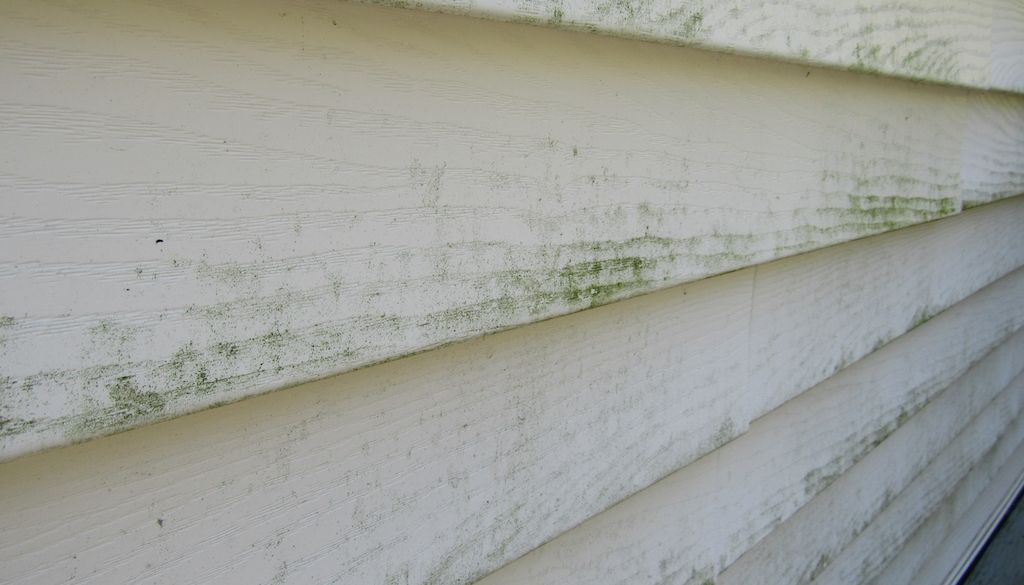
Water damage in your siding can be costly — yet necessary — to fix. Constant exposure to moisture can put your home's structural integrity at risk, so you'll want to address this issue quickly.
In this guide, you'll learn about the common causes of water damage, how to recognize the signs, and how to make the repairs.
What causes water damage to homes?
Bad weather, poor installation, neglected maintenance, blocked gutters, and pests can cause water damage to your home's exterior. The damage also depends on the kind of siding you have. For example:
- Wood siding is often susceptible to water and pest damage. Insects can destroy the wood and enter your home. The wood panels can also rot, warp, and twist, allowing water to seep in behind the siding.
- Vinyl siding is more durable and more water-resistant than wood, but it is not impenetrable. It can still be susceptible to cracks, leaks, rot infestation, and decay.
- Steel or metal siding can still get damaged when struck or scratched hard enough. After exposure to the elements, it can eventually rust.
- Brick siding is highly durable. However, the mortar used to attach it can wear out if it isn't properly installed.
- Stucco siding can develop hairline cracks over time. While small cracks won't affect your home's structural integrity, bigger cracks can be problematic and lead to water infiltration.
- Fiber cement siding, made of cement and sand like Hardie siding, is one of the most durable types of siding. However, over time, you'll likely need to replace it when it gets worn.
How to identify water damage on your siding

Before the damage becomes irreparable, keep moisture issues in check. Here are a few signs your siding has water damage:
Mold or mildew
Check your attic or wall insulation regularly. Sometimes, they retain water when your roof leaks during a storm. This moisture can cause mold growth, which could become a serious health concern if you don't address it immediately.
Peeling paint
Exterior paint doesn't just make your home look beautiful and boost curb appeal — it helps protect your home from moisture. If your paint is peeling, your siding becomes exposed and more susceptible to water damage. Be proactive and repaint your home before serious damage occurs.
Sagging, cracked, or warped siding
Water damage can cause your siding to sag, crack, and warp. You may also see discolored, bubbling, or blistering paint. While this type of damage diminishes your house's curb appeal, it also means your siding is no longer fully protecting your home.
Wood rot
If your wood siding is soft or crumbling, it could be a sign of wood rot. Rain, snow, and other elements can all cause moisture damage and wood rot. If you see rot, address the problem as soon as possible.
Moisture stains
While your house absorbs and releases moisture regularly, leaks can make their way into your ceilings and walls. Unchecked leaks can damage your insulation, stain your walls, and ultimately lead to water-damaged siding.
If you notice moisture stains, find out where the leak is occurring. You may need to hire a professional who can inspect the stain, identify the source of the leak, and fix it. Then, decide whether to repair or replace your damaged siding.
Pest damage
Do you see signs of pest damage? Or do you notice more pests than usual in and around your home? This could be a sign that water damage has created a way for pests to invade your home.
Consider choosing a material that offers more protection against little critters, such as fiber cement siding.
How to repair water-damaged siding

Replacing siding can be costly, especially if you just had siding recently installed. If the damage isn't too severe, you may be able to repair it on your own. Here's how:
Step 1: Inspect your siding
First, assess the damage. How many of your siding panels were destroyed? Can the damage be fixed by a paint job or by patching the dents, chips, and cracks? Or do the panels need to be replaced?
Step 2: Remove damaged materials
If parts of your siding are no longer usable, remove them. For the siding boards that are still usable, you may have to do a few repairs to ensure they can protect your home.
Start by removing the damaged piece of siding. This may involve cutting away existing paint and caulk and then using a pry bar to remove the siding boards or panels.
Step 3: Make the repairs
Repairing water-damaged siding varies depending on the kind of siding you have. But in general, repairing water-damaged siding requires replacing it with new materials.
After removing the damaged materials, you'll need to attach your new siding to your home's exterior using a hammer, nails, and/or caulk or mortar. Once it's properly installed, you may also need to prime, seal, and paint it.
Of course, if the water damage is more extensive, you'll need to perform more steps to repair it. In these cases, it's best to get a professional's help. A siding contractor can help ensure your new siding is installed correctly, which can help eliminate the chance of future moisture issues.
How to protect your siding from water damage

Water-damaged siding can be a nightmare. Keep excess moisture from destroying your home by taking steps to prevent it. Here are some easy ways to do that:
- Install gutters and downspouts in your home. These help prevent water from sliding down your home and damaging your siding.
- Clean your gutters and blocked pipes regularly. A clogged gutter or pipe leads to overflowing water, which could damage your siding. Be sure to clean out debris, twigs, leaves, and other dirt so the water flows smoothly. You may also want to consider installing gutter guards.
- Keep all vegetation away from your home. While they may give your house a quaint look, some types of ivy can trap moisture and rot your siding. Give your trees, shrubs, and bushes a regular trim so they don't touch your siding.
- Adjust your sprinkler systems. When your sprinklers run, make sure they don't continuously spray your siding or soak the ground near your home. Too much water can lead to leaks and moisture damage.
- Repaint your siding. Painting your siding gives it a protective coat.
Find pros to help maintain and repair your siding
When not addressed, water-damaged siding can destroy your walls and even your entire house. Hire a siding contractor to inspect your siding for damage. If the damage is small, you may repair it yourself — but we recommend hiring a professional when dealing with severely damaged siding.
Download the Thumbtack app and start getting free quotes from pros near you. Send them a photo of your damaged siding so they can better estimate how much it will cost and how long it will take to replace your siding.
How it works.

Search.
Browse profiles, see prices and use filters to find pros who match your project.

Chat.
Contact the pros you like to discuss project details.

Hire.
Check pro availability and book appointments right in the app.
Find local pros for your project
Tell us what you're looking for and we'll show you pros right for the job, with prices.