How to clean your gutters (the complete guide)
By Francesca Singer•Last updated Aug 29, 2024
Last updated Aug 29, 2024
Table of Contents
- Why is gutter cleaning important?
- What happens if you don’t clean your gutters?
- How often should you clean your gutters and downspouts?
- What supplies will you need to clean your gutters?
- Best way to clean your gutters
- Mistakes to avoid when cleaning your rain gutters
- Tips for maintaining and protecting your gutters
- What should gutter cleaning include?
- When to hire a gutter cleaning professional
- How much do gutter cleaning services cost?
- Find gutter cleaning services on Thumbtack
Find local pros for your project
Search for pros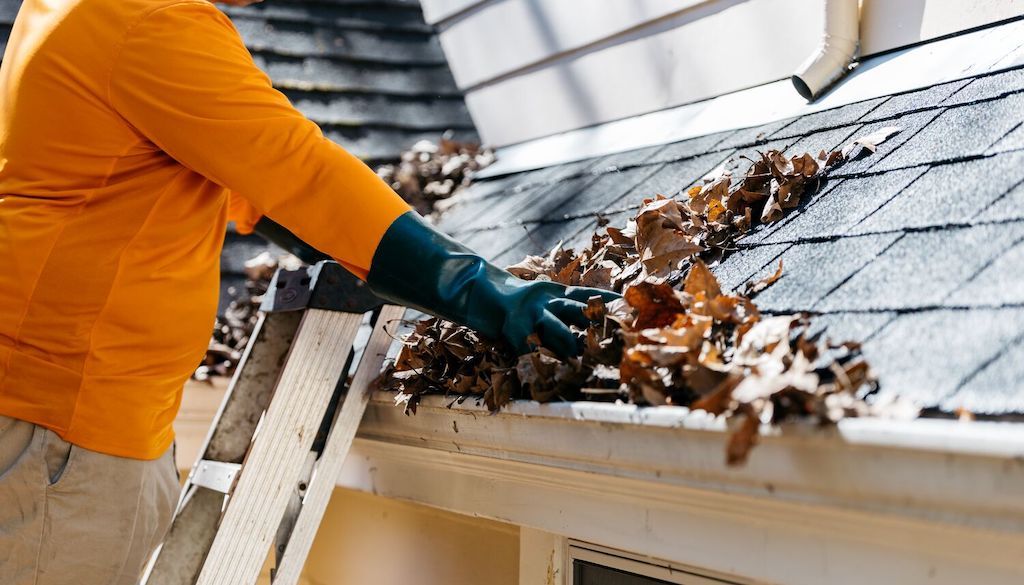
Gutter cleaning. It’s a dirty job, but someone’s gotta do it. If you’re in a DIY mood, maybe that person is you — or maybe you’d rather offload this home maintenance task to a pro. Either way, this guide includes step-by-step instructions on how to clear the leaves and debris from your gutters on your own, plus tips on how to find the best pro for the job.
Why is gutter cleaning important?
Gutters are easy to ignore, but neglected gutters can become an expensive or embarrassing problem over time. If you’ve ever seen a small tree growing out of a gutter, you know what we mean. That’s an extreme example, but gutter cleaning is more important than many homeowners realize.

What happens if you don’t clean your gutters?
Gutters collect rainwater and direct it to downspouts that carry it away from your home. When gutters can’t do that job, costly problems can happen.
For example, blocked gutters can lead to water damage inside or outside your home. Overflowing gutters can damage your roof by rotting the wood. Clogged gutters also create a good habitat for pests that can damage your home. Worst of all, water pooling from an overflowing gutter can cause major foundation damage.
How often should you clean your gutters and downspouts?
Generally, you should clean your gutters twice a year: once in the spring and once in the fall.
Fall is an obvious time for gutter cleaning. After trees shed their leaves, those leaves need to be cleared out. Twigs and moss also collect when the first heavy rains of the season arrive, and any standing water in your gutters can split the joints when it freezes.
Spring is also ideal. Grasses and weeds release plenty of seeds that can settle into debris in your gutters. You may not notice them until you see dandelions peeking out over the edge of your roof.
In some situations, you should inspect and clean gutters every few months. For example, if you have a north-facing roof where moss grows, periodic checks can help prevent clogs. Homes shaded by large tree branches also need more frequent inspection and cleaning, as do properties with climbing vines. Inspecting and cleaning gutters after major storms can also help protect your home from sudden blockages and keep you ready for the next downpour.
What supplies will you need to clean your gutters?

Gutter cleaning is messy and potentially dangerous work. Having the right tools makes the job safer, easier and more efficient. You’ll need these items:
- Extension ladder or tall step ladder. This is necessary to get high enough to see inside the gutters.
- Spray nozzle and pressure washer for cleaning out leaves and debris.
- Gutter scoop. Use this to remove material from inside the gutter without damaging the surface. You can buy one at a hardware store, but an old plastic spatula or even a child’s sandbox shovel can work.
- Buckets. Use one bucket to remove wet material without making a mess. Use the second bucket to carry your tools up and down more easily.
- Work clothes and gloves. Wear clothes you don’t mind getting dirty, and have both work gloves and latex gloves handy.
- Ladder rung hooks that can hold your buckets.
- Ladder stabilizers to help keep your ladder steady while you’re cleaning, especially if your landscape is uneven.
- Gutter sealant in case you need to fix any leaks in your gutters.
- Optional tools to consider:
Best way to clean your gutters
Now that your equipment is ready, it’s time to start cleaning your gutters. Follow these steps to clear dirt and debris.
Step 1: Set up your gutter cleaning supplies

Place your ladder on level ground, using a ladder stabilizer if needed. Lay the tarp on the ground underneath where you’ll be working. Take your tool bucket up to the top of the ladder and secure it on the ladder rung hook. Finally, if you plan to use a debris bucket, take it to the top of the ladder and hang it from a second hook.
Step 2: Inspect your rain gutters for severe damage

Before you start cleaning, give your gutters a good inspection. Look for obvious signs of damage, such as large holes, wood rot and loose pieces that are barely hanging on. If you spot damage, consider fixing it first or hiring a gutter professional to handle the job.
If you don’t notice any damage right away, go ahead with cleaning while continuing to watch for problems.
Step 3: Remove large debris by hand or with a scoop

Ready to start cleaning? Begin by removing any large debris like sticks and clumps of moss — anything easy to pick up by hand. Use the gutter scoop to remove heavy, wet or compacted debris. Collect debris in the bucket or let it fall onto the tarp. Check every section of the gutter as you go, and test for loose sections.
Step 4: Flush out your gutters with the pressure washer

Once the gutters are clear, use your pressure washer or garden hose to spray out the inside of the gutter, keeping an eye on the downspout. If less water comes out than goes in, you may have a clog in the spout that needs clearing.
As water flows down the gutter, note any spots where it seems to be leaking. Take a photo or make a mark on the gutter so you can find it later and fix it.
Step 5: Address damage or schedule repairs

Any section of guttering that is loose needs to be repaired with a new bracket. Use your screw gun to secure hardware.
If you noticed leaks while you were working, it’s time to use your gutter sealant. Once everything has dried completely, go back to the areas you marked as leaking and patch them from the inside with the sealant. If you’re not sure you found the right spot, wait a day and spray water into the gutter again to see whether the leak is still there.
Clear clogs in the downspout by running your hose up the spout and flushing it with water until the clog clears. Especially stubborn clogs may require a plumber’s snake. If you’re dealing with a particularly persistent clog or the repairs seem beyond your expertise, enlist the help of a gutter repair company near you.
Mistakes to avoid when cleaning your rain gutters
While gutter cleaning is pretty straightforward, homeowners still make plenty of mistakes. Here are a few common pitfalls to avoid:
- Ignoring ladder safety techniques. Ladder safety includes keeping your hips within the line of the vertical side rails. Don’t lean out to reach hard-to-access debris. Move the ladder often so you can reach the next section safely without straining.
- Failing to stabilize your ladder. Make sure your ladder is stable. Have a friend hold it steady if it feels wobbly.
- Wearing slippery shoes. Wear nonslip, rubber-soled shoes with good traction. When you’re spraying water from high up on a ladder, the last thing you want is to be sliding around.
- Forgetting to wear gloves. Don’t skip the gloves — the inside of a gutter can be disgusting, and you’ll want to protect your hands.
- Skipping eye protection. Eye protection is another helpful piece of gear. You never know what will tumble down a roof or splash out of a gutter, and the top of a ladder is no place to get something nasty in your eyes.
- Walking on the roof. Some professional gutter cleaners walk along the edge of the roof while they work. Please don’t try this at home. Stay on the ladder.
Tips for maintaining and protecting your gutters

You should pay attention to your gutters all year, especially during the rainy, windy and snowy seasons. If you have a mossy roof or large trees overhanging your home, you need to inspect and clean your gutters more often.
Of course, cleaning your gutters every day, week or even month isn’t realistic. But here are some simple maintenance tips that can help:
Install gutter guards
Installing gutter guards or downspout guards can help you avoid clogs and keep your gutters clean. Usually made of mesh or perforated metal, gutter guards keep leaves and other debris out of the gutters so water can flow freely.
However, even the highest-quality gutter guards need some care and maintenance. Twice-a-year inspections and cleanings are still recommended. Checking for and repairing leaks, securing loose guttering and performing regular cleaning and maintenance will pay off in the long term.
Trim your tree branches
If you have a large tree hanging over your home, make sure you trim back those branches when needed. Overhanging branches not only drop leaves into your gutters, but they could also fall during harsh weather and damage your gutter system.
Tree trimming can be a daunting and dangerous task. Consider contacting professional tree trimming services in your area instead of doing this project yourself.
Regularly inspect your gutters
Once a month, walk around your home’s exterior and look at your roof and gutters. Look for any signs of loose gutters, holes, rotting, rusting, mold, moss and pests. It’s also a good idea to do this after a heavy storm or severe weather.
As soon as you notice something troubling, make a plan to fix it yourself using the methods outlined above — or contact a gutter professional or specialist in your area.
What should gutter cleaning include?
Whether you take on the task yourself or hire a professional, gutter cleaning should include these basic components.
- Inspecting the gutters for damage, such as leaks, holes, moss, rot and rust.
- Removing large debris such as clumps of leaves and twigs.
- Flushing out gutters and downspouts with a pressure washer or hose.
- Ensuring there is nothing clogging your gutters or downspouts.
When to hire a gutter cleaning professional
Although gutter cleaning is a simple job, there are many reasons you might not want to do it yourself. For example, you should hire a professional if:
- Your home is large. Multi-story homes are often taller, and your non-professional ladder may not be safe enough to reach the gutters.
- Your home is old. Older homes and gutters may require more care.
- You’re pressed for time. You may simply not have the time or desire to clean and maintain your own gutters. If you don’t have time, it’s time to call in the pros.
If you’re not sure whether your gutters need service, look for these signs:
- You see plants sprouting out of the gutters.
- Sections of your gutters leak when it rains.
- Your downspouts aren’t draining properly during a storm.
- Your gutters seem to be sagging.
If you see any of these signs, contact a gutter professional. Someone near you can take care of the issue — and you won’t have to get your hands dirty.
How much do gutter cleaning services cost?

The cost to hire a professional to clean your gutters depends on several factors, including the scope of the project — how dirty your gutters are and whether they also need repairs — and labor rates in your area.
For an accurate cost estimate, contact several gutter cleaning professionals near you and ask for a quote. Be sure to ask which factors affect their pricing and whether they charge a flat fee or an hourly rate.
For more information on gutter cleaning prices, read our guide, How much does gutter cleaning cost?
Find gutter cleaning services on Thumbtack
Gutter cleaning can be a DIY job. But if you’re busy or don’t have the right equipment, consider leaving this task to the pros. Use Thumbtack to find professional gutter cleaning services near you. Read customer reviews, check before-and-after photos and get quotes from several professionals before you hire.
A note about project costs included or linked in this article: Figures represent national average cost estimates using data provided by Thumbtack pros and additional research. These figures are for educational purposes only and are subject to change at any time due to various factors. Details about your specific project and local rates can affect costs.
How it works.

Search.
Browse profiles, see prices and use filters to find pros who match your project.

Chat.
Contact the pros you like to discuss project details.

Hire.
Check pro availability and book appointments right in the app.
Find local pros for your project
Tell us what you're looking for and we'll show you pros right for the job, with prices.