How much will your piano tuning cost?
Columbus, OH 43215
Piano tuning costs$121 - $231
National average fixed price
- Most common low price:$121
- Most common high price:$231
How much does it cost to tune a piano?
By Thumbtack Staff
Last updated Mon, Oct 20
The national average cost for piano tuning ranges between $121-$231, although pricing can be higher or lower depending on your piano and other variables. A frequently played piano requires basic tuning every few months, while a lightly played piano may be able to go a year without tuning. But if you have invested in a quality piano for your home (or place of worship or business), it's a good rule of thumb to have it regularly tuned by a professional per the piano manufacturer's recommendations.
| National average cost | $168 |
|---|---|
| Low-end average cost | $121 |
| High-end average cost | $231 |
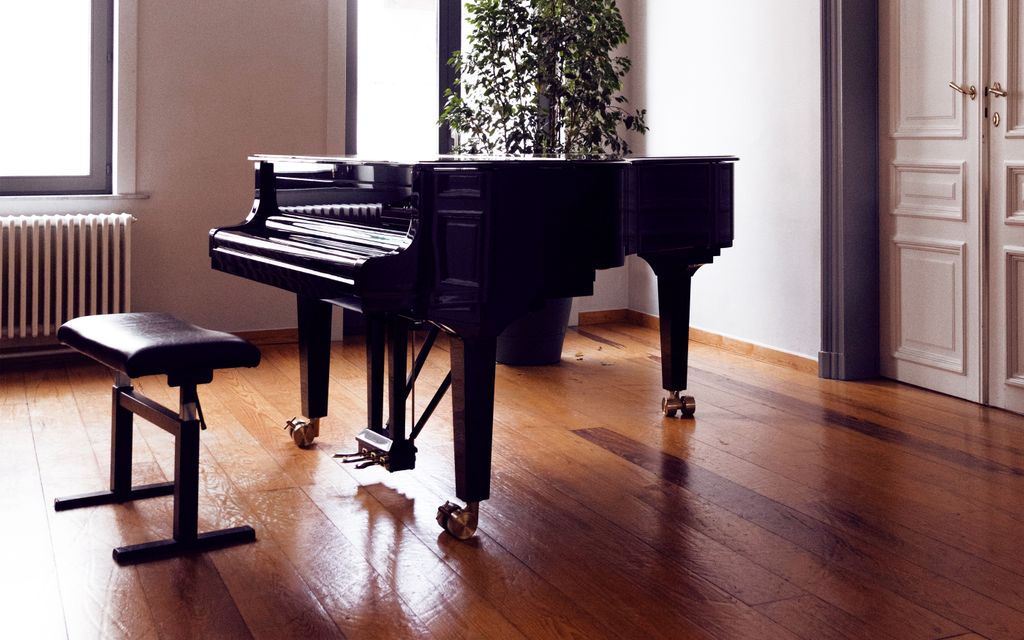
Pianos are delicate instruments that need consistent maintenance for optimal performance. Being made of wood and felt, your piano is subject to swelling and contraction as the seasons and climates change from hot to cold or wet to dry. Extreme temperature changes affect the pitch, tone and action response of your instrument, explains the Piano Technicians Guild, which is why upkeep is so important. Fortunately, skilled piano technicians are able to provide expert piano tuning and repairs to keep your instrument pitch perfect.
According to the the Piano Technicians Guild, piano tuning is the adjustment of the piano's tuning pins so that all the strings have the proper tension (pitch) to produce the correct-sounding musical intervals. To tune a piano, technicians adjust the tension of each of the piano's strings until they are in the standard tuning of A440, which means that the A above middle C vibrates at 440 cycles per second. Waiting too long between tunings puts a piano at risk of losing its pitch. If a piano has dropped pitch, the pitch must be raised before it can be tuned. Average costs for a piano tuner depend on where you live, what kind of piano you own, whether the piano has broken strings or needs other repairs, how well your piano has been maintained, and the age of the piano. Older pianos are often more delicate and may require extra time and care to accurately fine-tune or return to concert pitch.
Types of piano tuning
Piano tuning technicians may categorize customer pianos into four basic categories:
- Regularly maintained pianos. These customers have their instruments tuned at a minimum every six months to one year. About one-third of all pianos are regularly maintained with an annual tuning. These jobs take a tuner between an hour and an hour and a half.
- Moderately maintained pianos. These pianos have recently been moved or haven't been tuned in two years or so. Tuners see moderately maintained pianos about 50 percent of the time. The tuner will have to manipulate all the tuning pins once to pressurize the soundboard before doing the tuning itself, and the service should take about two hours.
- Ignored pianos. These are referred to by the pros as a "sore arm" tuning job because of the work involved in bringing a neglected piano back into working order. Pianos over 60 years old will likely require this level of service, which is basically three fine-tunings at once, or two and a half to three hours of work. About one-sixth of the pianos that tuners see fall into this category.
- DOA pianos. Some pianos are beyond a tuner's help. Water or fire damage, massive humidity changes, or just too much age and neglect can render a piano dead. A small fraction of pianos that technicians see fall into this category, and piano tuners will likely not charge for work they can't do. Most will say if you want a piano, you're going to need a better one than that one.
Piano tuning estimates
Some piano tuners ask questions over the phone and provide an estimate; others will want to see and hear the piano for themselves before they can offer a quote. If a piano can't be tuned, some technicians offer inspection services for a fee to better understand what repairs are needed and how much they will cost.
Flat rate versus hourly
Some piano tuners charge a flat rate for their services; for example, Piano Doctor of McKinney, Texas, charges an average of $85 for a standard piano tuning. Other technicians charge by the hour. The cost may include certain small repairs, but most piano repairs cost extra. As a general rule, more expensive piano tuners typically charge a flat rate that includes small repairs, while less expensive pros might charge extra for additional services such as unsticking sticky keys, installing new strings or other tasks.
Hourly rates for piano tuners average about $100 per hour nationally. For large grand pianos or other expensive instruments that require a high level of skill, some tuners charge as much as $200 per hour. For concert pianos, prices may be even higher.
Additional services
Many piano tuners also offer piano repair and are able to recommend additional services that are needed when they come out for a tuning. If you suspect your piano needs more than just tuning, always confirm whether the tuner also provides repair, as not every tuner does. Piano tuners who also do repairs offer a wide variety of services for various prices. Here are the average national costs for common tuning and repair services:
- Pitch correction: $60
- Tuning: $130
- Repairs: $65 per hour
- Voicing: $175-$600
- Grand action reconditioning and regulation: $2,500-$3,500
- Vertical action reconditioning and regulation: $800-$2,500
- Soundboard cleaning: $100-$150
- Climate control installation: $450-$800
- Installation of under-covers: $250-$350
- String cover installation: $250-$350
- Grand action rebuilding: $5,000-$8,000
- Vertical action rebuilding: $4,000
- Evaluations: $100-$250
Age of piano
New or recently restrung pianos require tuning more frequently than older pianos because the new strings are stretching. It's a good idea to tune a new piano three or four times in its first year to help the strings settle. However, if you have a new piano in your home or have recently moved your piano, experts recommend you wait at least three months before having it tuned to allow the piano to adjust to the new environment.
Older or more neglected pianos may require more extensive repairs and refinements before tuning, which will make the overall cost higher than for a standard tuning. Also, the more out of tune a piano, the more the tuning might cost.
Location of piano
Piano tuning and repair professionals charge different rates depending on location, regional costs of living and regional costs to do business. For example, piano tuning in New York City's Upper East Side averages $125, while piano tuning in Topeka, Kansas, averages $95. Some piano tuners charge a small fee if they have to travel beyond a certain distance. For example, a piano tuner may have a flat rate of $100 for tuning pianos within a 25-mile service range and then charge an additional $1 per mile for any jobs outside of that radius. Pianos in humid climates may need to be tuned more frequently.
Level of service
Some lower-priced tuners might simply readjust a piano's strings. More meticulous (and expensive) professionals typically look at other aspects of the piano, such as squeaky foot pedals or sticky keys. Not all piano tuners offer these kinds of "spiff job" services; if a piano needs more than just a tuning, be sure to tell the tuners upfront so they can price your job accordingly.
Spiff jobs typically cost an additional $250-$350 for four hours (a half day) of work or $450-$650 for eight hours (a full day), on average.
Older pianos may also need to be regulated as well as tuned. Regulation can cost $200-$600 on average. A poorly regulated piano might have the following symptoms:
- Having to strike a key harder to get a tone
- Not being able to quickly repeat a note
- Hearing a double strike when a key is only struck once
- Hearing clicks, squeaks or other noises
- Seeing uneven piano key height
Find the best Piano Tuner in your neighborhood.
Certification
Some piano tuners are certified as Registered Piano Technicians (RPTs) with the Piano Technicians Guild. This is a worldwide organization that requires technicians to pass a written exam and a field test to meet guild standards before earning certification as an RPT. There is no governing body that regulates the piano tuning or repair industry, so some people rely on the designation of RPT as a standard. However, many unregistered piano tuners have extensive piano tuning experience and are just as skilled as those who hold the title of RPT.
When looking to hire a piano tuner, be sure to research their background, verify they have experience working with your make of piano, and verify that they have positive customer reviews. It's also wise to look for a piano tuning professional who has basic business liability insurance, especially if your piano is an investment piece. Check out our tips for smart hiring for more information.
Replacement parts
A piano tuner will probably tell you: Piano tuners don't break strings, but piano strings do break. The average lifespan of a piano string is about eight years, and sometimes the string will break during a tuning. The cost of replacement strings might not be included in a price quote or hourly rate. Be sure to ask your technician ahead of time who pays for broken strings.
In very rare situations, a piano's plate can break during a tuning. The piano plate is made of cast iron, but sometimes these sturdy frames can develop weak points, and during a tuning, especially for a long-neglected piano, the plate can break and render your piano DOA. If you have an older piano, ask your technician who is liable for a broken plate.
Cost-saving strategies
Don't waste your money getting a piano tuned until it's been in its current location for three months. Temperature and humidity changes during a move can unsettle a piano and require more work than if you let it settle down in its new location before bringing in a piano tuning pro.
If your piano is in a humid area inside your house, it could lose its tuning more quickly. It's best to keep your piano away from windows, exterior walls, or heating sources such as vents, fireplaces and registers. In addition, constant shifts in humidity can lead to cracking or distortion in the soundboards, while too much moisture can cause string rust. The Piano Technicians Guild recommends using an air conditioner during hot, humid months or using humidifiers and dehumidifiers as your climate requires.
Piano care
By following a few simple preventive maintenance tips, you can reduce tuning costs, improve playing sound and extend your piano's life. The Piano Technicians Guild recommends positioning your piano away from doors or windows that you leave open regularly. Take care to place your piano away from heating or air conditioning vents. Fireplaces and direct sunlight can also affect the inner workings of your piano.
The Piano Technicians Guild suggests avoiding overly wet or dry conditions, as too much moisture can make the piano pitch sharp, while overly dry conditions can cause the piano's pitch to go flat as well as causing the glue joints to weaken in the soundboard. The Piano Technicians Guild recommends maintaining a consistent temperature around 68 degrees Fahrenheit and 42 percent relative humidity.
Pro tips:
- Some piano tuning companies employ multiple technicians, so be sure to find out exactly who will be servicing your piano and read their reviews before you work with him or her.
- Look for piano tuners who do tuning for music institutions as well as residences, because the work of these professionals is regularly evaluated by experts.
- Find out upfront if a piano technician also does repairs; some don't.
- Read client reviews and follow up with references to make sure you're choosing the right pro for your project. For more, check out our tips for smart hiring.
- Grand action rebuilding: $5,000 to $8,000
- Vertical action rebuilding: $4,000
- Evaluations: $100 to $250
How do we know these prices?
5m
Customers this year
300k+
Pros this year
20k
Projects a day
How it works.

Search.
Browse profiles, see prices and use filters to find pros who match your project.

Chat.
Contact the pros you like to discuss project details.

Hire.
Check pro availability and book appointments right in the app.
You might also like