How to create a stunning desert front yard landscape design
By Nicki Escudero•Last updated Apr 23, 2024
Last updated Apr 23, 2024
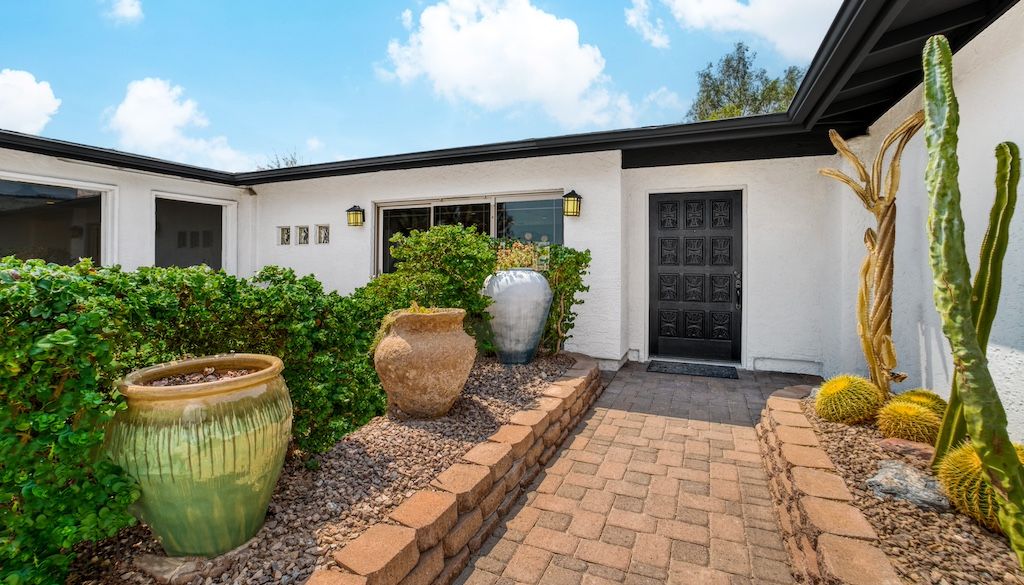
Creating a desert landscape makes perfect sense for people living in arid environments. After all, desert plants can thrive in dry, sunny, and hot conditions.
But that's not the only benefit desert landscaping offers. This design theme provides a variety of plants and landscape features in various colors, textures, shapes, and sizes. You'll quickly see that you can design a beautiful, low-maintenance front yard to boost curb appeal.
What is desert landscaping?
Desert landscaping is a design approach that suits the arid conditions of desert regions. It can reduce maintenance and water use, and there are many ways to create a beautiful outdoor space.
For example, drought-tolerant plants like succulents, cacti, and ornamental grasses can survive in low-water conditions and add texture to your yard. Hardscaping elements like natural stone, gravel, or desert rock can provide structure and visual interest. Colorful pots, planters, and sculptures can serve as focal points, while native plants and wildflowers can add color and attract local wildlife.
What to consider before you design a desert landscape.

The right choices can help you create a desert landscape design that thrives in dry conditions and gives you pride in your home. Before you start this project, ask yourself these questions:
Is your front yard in good shape?
What condition is your front yard in? Do you need to remove old tree stumps or debris? Do you need to repair your fence, walkway, pavers, or porch?
Take note of the repairs needed and communicate them to your landscape designer. You can also decide if you want to DIY the repairs before working with a landscaper. These decisions will affect the next consideration: your budget.
What's your budget?
Decide how much you're willing to spend on transforming your yard. Research landscaping costs and get quotes from landscape designers near you. You should also factor in the cost of any repairs you may need. Based on your budget, you may skip some features or DIY parts of the project to save money.
How much maintenance are you willing to do?
Desert landscapes require less maintenance than those with lush features like plants, grass, and flowers. But if you want your desert landscape to include greenery, make sure you understand the plants' maintenance requirements.
What's the return on investment?
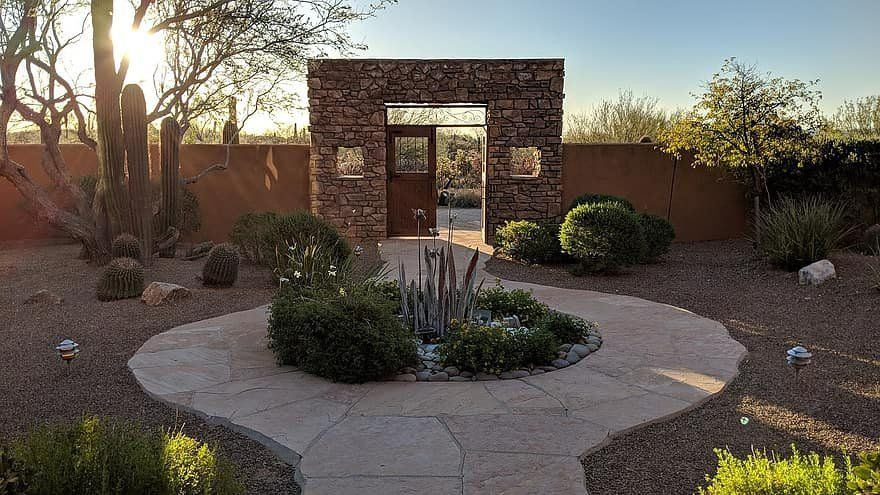
Photo credit: Vibe Scapes LLC
Improving your front yard may also boost your home's curb appeal and value. However, it's important to do some research first. As with any home project, you'll want to choose features that can help you make a profit on your home when you decide to sell it.
Find out whether current buyers in your area prefer homes with desert landscapes. Consider doing the following before designing your desert landscape:
- Chat with a real estate expert. Based on their expertise and observations, see if they recommend a desert front yard landscape for your home.
- Read real estate news and online publications. Look for data or trends that support your design plans.
- Drive around your neighborhood and check out the homes, especially those currently for sale or that recently sold quickly.
- Consult a top-rated professional landscape designer. Ask whether a desert front yard design is a popular choice among homeowners in your area.
Will a desert landscape bring you joy?
The joy of having a front yard with a desert landscape is just as important as the return on investment. Sure, having a low-maintenance front yard that reduces water usage is great. But if you prefer softer landscapes with bright, vibrant colors and lots of greenery, choose that.
Creating a yard that brings you happiness should be your top goal.
Desert landscape ideas for front yard curb appeal.
Are you ready to move forward with your project? Here are 9 desert landscaping ideas to transform your front yard into an eye-catching desert oasis:
1. Consider the principles of landscape design.

- Unity
- Scale
- Balance
- Simplicity
- Variety
- Emphasis
- Sequence
Work with your landscape designer to choose desert elements that create a cohesive and appealing design. For example, repetition can increase appeal in landscape design, but be careful not to overdo it. Grouping a few of the same plants in one area and repeating that technique can add harmony and balance while still including variety.
Also, decide how you want to draw the eye. You can use visual layering by placing smaller plants in front, then mid-height plants, and so on. This plant placement mimics nature and gives the eye a natural path to follow.
2. Incorporate desert color palettes.

Desert hues are earthy and natural, while desert flowers can add bright pops of color throughout a landscape. Colors like brown, gray, beige, and green can mimic a natural desert environment and are often common in desert-themed yards.
Use color to create attractive focal points in your desert landscape. Think about the following principles:
- Warm colors, like oranges, yellows, and reds, bring the eye forward.
- Cool colors, like green and blue, give the impression of receding. You can use them in the background to make a desert garden appear larger.
- Colors from opposite sides of a color wheel (red/green, blue/orange, yellow/purple) create strong contrast that can grab attention. If you have orange desert plants, for example, they'll pop against a blue wall.
If you create an outdoor entertaining area, make sure furniture and fixtures complement the landscaping by unifying colors in the design. Earth tones in pillows and chairs will complement desert plants. Add a pop of color like bright purple or turquoise for a more modern look. You can paint an accent wall in sunset-inspired colors.
3. Choose drought-tolerant plants.

Photo credit: Design + Build + Landscape
Drought-tolerant plants have adapted to low moisture levels in the environment. Even during days without rain, they can stay alive and thrive. They do this by maximizing water uptake with their deep roots and minimizing water loss from their leaves. They can go dormant to conserve water and energy when a drought occurs.
- Acacia trees and shrubs
- Agave
- Aloe
- Bird of paradise
- Cacti
- Desert lavender, marigold, and milkweed
- Elephant food
- Mesquite trees
- Oleander flowering shrubs
- Palo verde trees
- Sage
- Yucca shrubs and trees
When selecting drought-tolerant plants, it's best to choose plants native to the area. These plants will already be adapted to your environment's weather and soil conditions.
Research your area's average temperatures and potential lows and highs before you shop. Also, consider shade levels for where you plan to plant. The amount of sunshine and shade can also affect desert plant growth and performance.
Remember to consider the wind when consulting with a nursery or gardening professional. Take all elements into account for the best results.
4. Put plants in desert pots and containers.

Decorate your front porch, entryway, or windows with planters and containers. When choosing your containers, stick with the desert theme.
For example, pick containers that fit your color palette. Consider painting clay or terra-cotta pots in bright yellow, blue, orange, or red for added pops of color. Or stick with sandy, earthy tones like tan and brown. You can also find pots with a painted desert landscape, including sandy hills, cacti, and sun.
5. Optimize your lawn space.

Photo credit: CK LANDSCAPE AND HARDSCAPE
Maintaining a healthy grass lawn in desert climates can be difficult and resource-intensive. In places where saving water is important, using artificial turf for a green lawn may be a better option. Synthetic turf doesn't need much water to stay green and requires less maintenance than natural grass.
If you want to keep a natural grass lawn, you can reduce water use by minimizing the amount of grass. For example:
- Cover more of the ground with big and small rocks.
- Ornamental desert grass is another hardy ground cover option for desert landscapes. It provides greenery and can spread to cover a large area. Another added benefit is that it provides a habitat for wildlife like birds and insects.
- Succulents can also add greenery and ground cover. They require less water than typical grass and can thrive in full sunshine.
- Prickly pear and barrel cacti are additional low-to-the-ground cactus varieties that can also work well as ground cover.
6. Enhance your yard with stones and gravel.

Stones and gravel are a natural complement to desert plants. Vary the sizes or use patterns in groupings to keep eyes moving around the yard. Consider incorporating the following in your front yard:
- A rock garden can add interesting shapes and textures to your landscape, enhancing variety.
- A dry creek bed with darker-colored rocks creates the illusion of a rock river. This can also serve as drainage during rainfall.
- Use large slabs of flat stone to build pathways with varying widths along the way.
- Mix up gravel types in your yard to make the landscape look more natural.
- Surround gravel or stone pathways with larger stones of varying sizes and textures.
- Use decorative rocks or stones as mulch for succulents and cacti. "These mulches will allow the soil to dry out while keeping the soil cool and preventing erosion," according to Garden Design.
7. Don't leave out wooden features.
Wood can also add interesting contrast in color and texture to a desert landscape. The earthy, brown qualities of wood accents create cohesion among natural design elements. You can easily incorporate wood into a desert landscape design. For example:
- Lay wooden chips or bark as mulch to help your non-succulent plants thrive and grow.
- Build a wooden pergola or trellis to provide shade and create a focal point.
- Place wooden patio furniture on your front porch. Consider sandy, desert-tan tones that complement your color palette.
- Use wood as edging to create borders and lines in your front yard.
8. Add eye-catching focal points.

Photo credit: Clean and Green Landscape
In addition to desert plants, you can add variety to your desert landscape with other functional features. For example:
- Landscape lighting creates the right vibe and mood. Solar-powered lights work well in sunny desert environments and can help you decrease your energy bills. Strung twinkly lights can create a cozy front porch atmosphere. If you have striking plants, like a giant cactus, you could spotlight it with a nearby light.
- The spikes on tall cacti can create visual interest with the waxy leaves of a succulent.
- A water feature like a waterfall or fountain could create a literal oasis in your desert landscaping. It also adds peaceful sounds and an environment for wildlife like butterflies and birds to enjoy.
- A fire pit can create an inviting focal point that gives your home's curb appeal a welcoming touch. After all, desert nights can get chilly, too.
- A meaningful sculpture or art piece can add a unique, personalized touch to your design.
- A trellis with desert vines, like bougainvillea, purple hyacinth, or trumpet creeper, is a nice addition to your yard. A trellis can also create some shade.
9. Create shaded areas for relaxation.

If you plan to spend time in your front yard, shaded areas are critical in a desert landscape. Otherwise, relaxing in the blazing sun is challenging, especially during the warm summer months.
Drought-tolerant desert trees, like creosote bush, desert willow, and Texas ranger, thrive in hot conditions and can provide shade in your yard. You can also build a pergola, gazebo, or pavilion for outdoor seating or install an umbrella for sun protection. Retractable shade covers are also convenient options that let you get shade when needed.
However, pay attention to scale when you're adding shaded elements. For example, a giant tree in front of a small house could look out of balance.
How to maintain a desert front yard landscape design.
Maintaining a desert front yard landscape design requires knowledge of proper watering, pruning, pest management, and seasonal maintenance. Chat with your landscaper about the specific upkeep tasks you'll need to perform.
Some of the most common jobs include:
- Using drip irrigation systems to deliver water directly to the plants' roots.
- Pruning and trimming plants regularly to maintain their shape and size.
- Keeping an eye out for common desert pests.
- Rinsing rocks and boulders to remove dirt and grime.
- Performing seasonal tasks like removing winter protection and fertilizing plants in spring. You may also need to provide shade and extra water in summer and clean up leaves and debris in fall.
Find pros to create a desert landscape in your front yard.
Do you need help creating your desert oasis to enhance your home's curb appeal? Download the free Thumbtack app to develop a plan and find landscaping services near you.
Hiring a professional landscape designer can be beneficial. They have the expertise to create a stunning desert landscape that complements your home's architecture and reflects your style. Let a professional bring your vision to life with their artistic touch and help save time, money, and effort.
When selecting a designer, ask about their experience with desert landscape ideas and their design approach. Check out their portfolio of previous projects. They should also provide a detailed cost estimate and help you make informed decisions within your budget.
How it works.

Search.
Browse profiles, see prices and use filters to find pros who match your project.

Chat.
Contact the pros you like to discuss project details.

Hire.
Check pro availability and book appointments right in the app.
Find local pros for your project
Tell us what you're looking for and we'll show you pros right for the job, with prices.