When to skip DIY and hire a pro instead
Thumbtack Staff•Last updated Jul 26, 2021
Last updated Jul 26, 2021
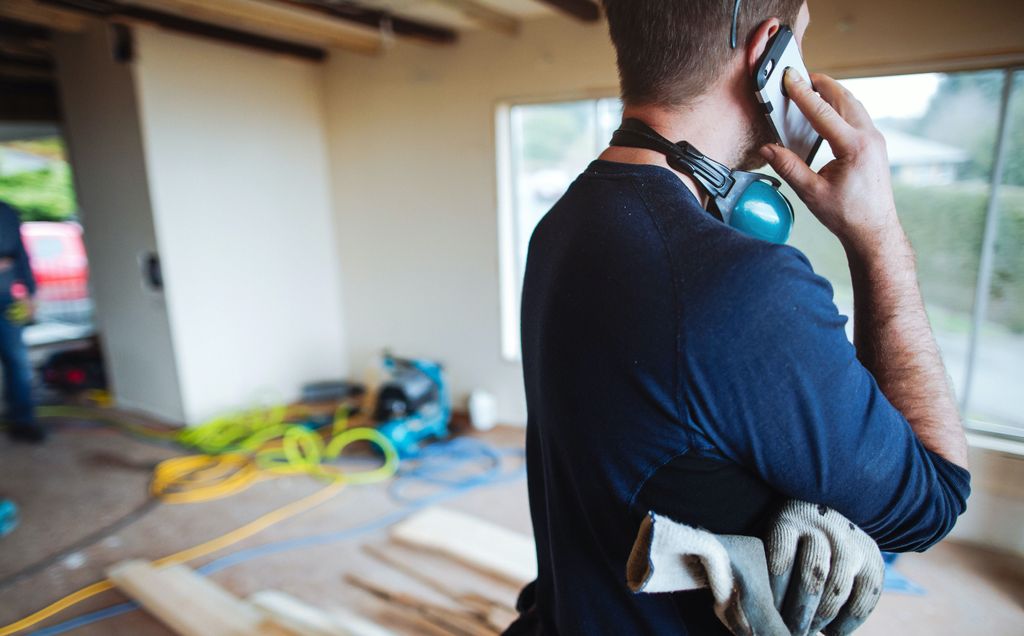
Whether it’s fixing a plumbing issue or tackling a remodeling project, as a homeowner, you’ve probably wondered at some point, Should I hire a pro or just do it myself?
Although embarking on the do-it-yourself route could reap the rewards in terms of cost savings, there’s always a chance that things could go wrong if you don’t have the proper skills, experience and tools to take on the project. In some cases, choosing DIY could set you back a pretty penny and be a complete waste of time.
That said, it’s not always easy to decide if a project is meant for a professional or if it’s worth attempting on your own. That’s why we put together this guide to help homeowners decide which option is right for them: DIY or hire a pro?
DIY vs. professional chart for home projects
The table below can help you quickly decide whether to hire a pro or take the DIY route. Many home projects that you can DIY or hand off to a professional involve cleaning, painting, and maintenance. Meanwhile, home projects that involve installation, construction, major repairs, gas, electricity, wiring, and plumbing are better left to a pro.
| Project | Pro | Pro or DIY | Who to hire |
|---|---|---|---|
| Major appliances (install, repair, maintenance) | X | Appliance services | |
| Small appliances (install, repair, maintenance) | X | Appliance services | |
| Bathroom remodel | X | Bathroom remodelers, general contractors | |
| Cabinets (install, refinish, reface) | X | Cabinet builders, refinishers, refacing services | |
| Cabinets (paint) | X | Cabinet painters | |
| Carpets (install, removal) | X | Carpet installers, removal companies | |
| Carpets (clean) | X | Carpet cleaners, house cleaners | |
| Chimney (inspect, clean, repair) | X | Chimney cleaners, inspectors, repair services | |
| Concrete (install, seal, repair) | X | Concrete contractors | |
| Counters (install, seal, repair, refinish, resurface) | X | Countertop professionals | |
| Decks (install) | X | Deck contractors | |
| Decks (seal, paint, repair) | X | Deck contractors, painters, sealers | |
| Duct and vent cleaning | X | Duct cleaners | |
| Exterior painting (siding, doors, window frames, etc.) | X | Exterior painters | |
| Fences (install, repair) | X | Fence professionals | |
| Fences (paint, stain, seal) | X | Fence painters, staining professionals | |
| Fireplace (install, inspect, clean, repair) | X | Fireplace contractors, inspectors, cleaners | |
| Foundation (pour, repair, seal) | X | Foundation contractors | |
| Furnace (install, repair, maintenance) | X | Furnace installation, maintenance, repair services | |
| Gas line (install, repair) | X | Gas pipe contractors, plumbers | |
| Gutters (install, repair) | X | Gutter professionals | |
| Gutters (clean) | X | Gutter cleaners | |
| Hardwood (install, refinish, repair) | X | Hardwood companies & contractors | |
| Hardwood (clean) | X | Hardwood floor cleaners, house cleaners | |
| Home security system (install, monitoring) | X | Home security specialists | |
| HVAC (install, maintenance) | X | HVAC technicians | |
| Insulation (install) | X | Insulation contractor | |
| Interior painting (walls, ceiling, etc.) | X | Interior painters | |
| Kitchen remodel | X | Kitchen designers, remodelers, general contractors, architects | |
| Laminate floors (install, repair) | X | Laminate flooring professionals | |
| Laminate floors (clean) | X | Laminate floor cleaners, house cleaners | |
| Landscaping (construction) | X | Landscapers, landscape architects, general contractors | |
| Landscaping (maintenance) | X | Landscapers | |
| Lawn care | X | Lawn care services, landscapers, gardeners | |
| Light installation | X | Lighting companies, electricians | |
| Mold (inspect, remediation) | X | Mold remediation services, inspectors | |
| Patio (install, repair) | X | Patio professionals | |
| Pest control | X | Exterminators | |
| Pipe (repair burst or frozen pipes) | X | Plumbers | |
| Pipe (repair leaky pipes) | X | Plumbers | |
| Pressure washing (deck, driveway, fence, patio, etc.) | X | Pressure washing services | |
| Roofing (clean, install, repair, inspect) | X | Roofing contractors, inspectors, cleaners | |
| Room addition | X | General contractors | |
| Siding (install, repair) | X | Siding contractors & companies | |
| Siding (remove, paint) | X | Siding contractors & companies, exterior painters | |
| Snowplowing | X | Snowplow services | |
| Switch & outlets (install, repair) | X | Electricians | |
| Termite control | X | Termite exterminators | |
| Tile floors (install, repair, seal) | X | Tile contractors & companies | |
| Tile floors (clean) | X | Tile floor cleaners, house cleaners | |
| Tree trimming | X | Tree trimmers, landscapers | |
| Tree removal | X | Tree removal services | |
| Trim installation | X | Trim carpenters, contractors | |
| Vinyl floors (install, repair, seal) | X | Vinyl flooring companies | |
| Vinyl floors (clean) | X | Vinyl floor cleaners, house cleaners | |
| Water heater (install, maintenance, repair) | X | Water heater services, plumbers | |
| Waterproofing basement | X | Waterproofing professionals | |
| Windows (install, repair, clean) | X | Window professionals |
Why these home projects always require a pro

You might think you could DIY most home improvement projects, but some simply aren’t suitable for DIY. You may not be allowed to do the work without the proper permit or license. Or the project may be too dangerous for the average homeowner. The following projects almost always require a pro.
Bathroom remodeling is definitely work cut out for the pros — specifically, a bathroom remodeler or a general contractor. When a professional handles your bathroom remodel, they can help ensure the project is completed on time, stays on budget and is handled by the best contractors, painters, plumbers, and more. A professional can also give you a timeframe for when to expect the job to be completed.
Duct and vent cleaning is ideal work for a professional duct cleaner. A pro will not only clean your ducts and vents, but will also inspect your system for potential issues. They’ll also take the necessary steps to protect your carpets and furnishings while they clean.
All of your electrical and lighting work should be handled by a licensed electrician. That way, you can avoid potential fires, shocks, and other home safety hazards caused by DIY repairs or outlet installations done wrong.
Floor installation, especially hardwood floor installation, is a project for a flooring professional. Some floor designs are complex, and the installer would need to follow specific patterns to achieve a certain look or shape. Incorrect DIY floor installation could also damage your flooring, which could mean more expenses for you.
Installing gas lines can only be conducted by a qualified professional, such as a licensed plumber or gas pipe contractor. Improperly installed pipes could lead to gas leaks and explosions, so DIY is out of the question here.
Heating, ventilation and air conditioning (HVAC) work should always be done by HVAC contractors, companies and technicians. These professionals are equipped to safely clean, service, and repair your system. They can also get the job done faster, and they know how to improve your HVAC’s efficiency.
Kitchen remodeling should be strictly handled by a few pros, as they can give you high-quality results. Kitchen designers and general contractors know how to reconfigure your kitchen’s layout with ease. They’re your best bet for accurately measuring your space, ordering materials, and installing new countertops, cabinets, flooring, and other furnishings.
Mold remediation is best done by a mold remediation professional. These experts have the proper equipment, such as air scrubbers and dehumidifiers, to detect and eradicate mold. These pros know where to inspect your home for mold, and they can detect moisture that could promote mold growth.
Pest control and removal jobs are best done by professional exterminators. Exterminators are qualified to determine the source of the infestation, provide the ideal treatment plan, and help prevent future infestations. Exterminators also need to be licensed or certified.
Although you might be able to fix a leaky pipe on your own, pipe installation and major plumbing issues should be left to professional plumbers. Plumbers are trained and equipped to install water and gas pipes, as well as repair leaks and other issues. With the proper tools to execute these tasks, they can quickly get the job done and detect hard-to-spot problems within your plumbing system. Unresolved plumbing problems can also lead to water damage, so a plumber protects your home from that potential damage too.
Roofing tasks — repairing, replacing, and inspecting — are best handled by licensed roofers. Roofers know where to find quality, durable materials for the job, and they can help you choose the best materials for your roof type. They have the know-how and correct tools to repair your roof, and they can inspect it for potential problems.
Room additions should be completed by a licensed general contractor, interior designer and/or architect. You will also likely need to work with an electrician, plumber, and other contractors — and your general contractor can assemble the team you need.
Contractors, designers, and architects can help you stay on budget with your room addition, and they can provide design concepts and plans. These professionals are also privy to the building inspects and permits required for the job. And they’ll also know if the site needs to be prepared, which could involve excavation and demolition.
Spray foam insulation is best done by an insulation pro because it’s safer to do so. Spray foam contains potentially harmful chemicals. It’s also best for a professional to remove any existing insulation from your home and check to see if there are any areas in your home that need to be insulated.
How to decide between DIY vs. hiring a pro
The next time you’re having trouble deciding whether to choose DIY or a professional service for your home project, follow these steps to make an informed decision:
Step 1: Research the project’s scope and complexity
Look for guides on how to complete your project, figure out what the process involves, and find out how long it takes to complete the project. Read a few articles and watch some tutorial videos to get a feel for the project’s scope and complexity.
Step 2: Understand the skills needed to do it well and safely
Next, find out if the job requires certain skills or experience level. For example, does the job require:
- Electrical, wiring, or plumbing expertise?
- Sawing, drilling, or cutting skills?
- Comfort with large, heavy, or complex machinery?
Also, find out if the project legally requires someone who is certified or licensed to complete it.

Step 3: Figure out if you have the right tools and equipment
For any DIY project, you need to figure out whether you have all the tools you need. If the project requires special equipment you don’t have, and have no interest in buying or renting, it’s best to hire a pro. Even if you do own the proper equipment and tools, you shouldn’t operate them unless you know how to do so safely.
Step 4: Look up whether DIY-ing the project is legal
In some cities and states, it’s illegal to DIY certain projects if you don’t have the proper credentials or approval. The following projects are typically illegal to do on your own without a license, permit, and/or other credentials or approval from your local government:
- Adding electrical outlets, wiring, or lights
- Switching from an electric range to a gas stove
- Installing, replacing, and rerouting gas pipes
- Removing old insulation
- Repairing or replacing an HVAC system
- Installing or replacing a water heater
- Pumping your septic tank
- Dismantling or moving a load-bearing or structural wall
Step 5: Weigh the costs of hiring a pro vs. DIY
It’s best to get price quotes from various pros for your project, and then compare the costs. You should also see if Thumbtack has a cost guide for your project so you can get an idea of what to expect and understand how professionals set their prices.
Once you get at least three cost estimates from professionals near you, weigh those costs against:
- The time it will take to thoroughly understand the steps to complete the project.
- The time it will take you to actually complete the project.
- The cost to buy any tools or equipment you need but don’t have.
- The physical labor you’ll need to devote to the project if you choose the DIY route.
Also, ask yourself whether you can provide the same level of quality as a trained professional. If not, decide whether you’re willing to sacrifice quality to save money with a DIY approach.
However, if you value quality over anything else, hire a pro instead. And don’t hesitate to negotiate the cost of their services. For example, they may be willing to give you a discount or set up a payment plan if you’re on a tight budget.
Find your pro on Thumbtack
Every home needs a bit of TLC in the form of routine maintenance, repair, and improvement tasks. If you’ve decided that hiring a pro is better than DIY-ing your project, use Thumbtack to find the best home maintenance and remodeling professionals near you.
How it works.

Search.
Browse profiles, see prices and use filters to find pros who match your project.

Chat.
Contact the pros you like to discuss project details.

Hire.
Check pro availability and book appointments right in the app.
Find local pros for your project
Tell us what you're looking for and we'll show you pros right for the job, with prices.