Weird sounds and smells in your home you should never ignore
By Francesa Singer•Last updated Dec 3, 2021
Last updated Dec 3, 2021
Table of Contents
- Weird smells in the house
- Sewage odors
- Natural gas smells
- Musty odors
- Locker room odors and "dirty sock syndrome"
- Something smells fishy
- Weird sounds in your home
- Banging, clanging or squealing
- Creaking floorboards and clicking woodwork
- Shuffling in the attic
- Scratching on the roof
- Hissing and dripping behind walls
- Hire home pros on Thumbtack to diagnose your problem
Find local pros for your project
Search for pros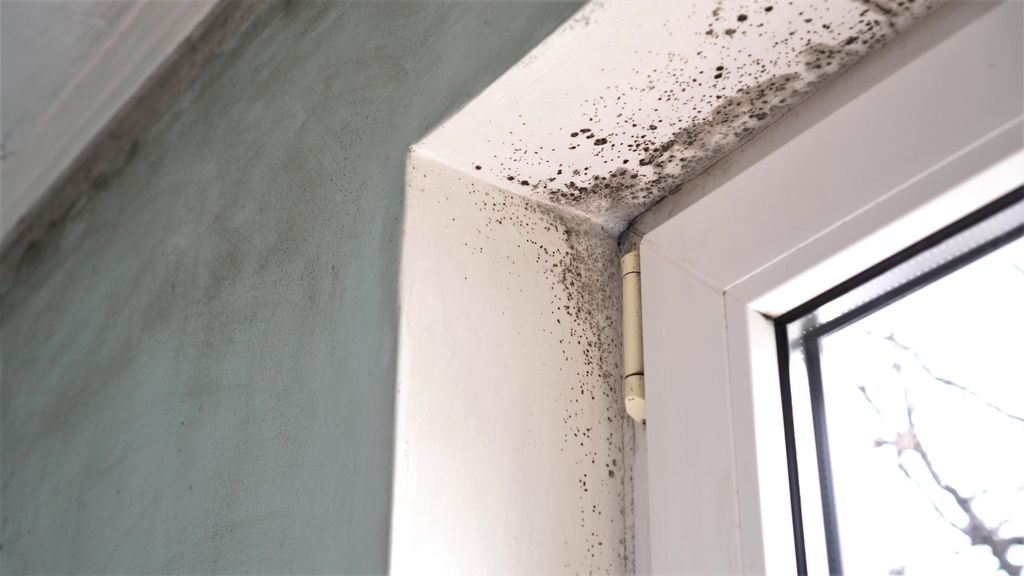
Weird smells and strange noises are a part of life. The problem is that when those smells and sounds happen inside your home, they can mean trouble. And that “trouble” can be wildly expensive or even dangerous. Even if you think your home is probably just fine, it doesn’t hurt to take some precautions.
Keep reading to see which smells and sounds to pay attention to. And learn what to do (and who to call) if you have a serious problem on your hands.
Weird smells in the house
Your nose is designed to sense danger, so use it. If any of these off smells catch your attention, stop and investigate.
Sewage odors

If a bathroom in the house smells strongly like sewage, pay attention. That swampy, water-treatment-plant smell usually means there’s a problem with your plumbing.
Your home’s plumbing system is an interconnected network of pipes, vents and drains, all designed to bring clean water in, send wastewater out and keep sewer gas far away. Plumbing pros agree that most sewer-gas smells are caused by a dry P-trap, the U-shaped part of the drainpipe that blocks sewer gas from leaking into your home.
Fixing a dry P-trap is easy: flush any rarely used toilets and run the taps in showers, sinks and bathtubs that don’t get much use. If that doesn’t solve the problem, you might have a broken toilet seal, clogged vents or a broken sewer line. Toilet seals are usually easy to DIY repair, but the other issues are best left to a professional plumber.
Natural gas smells

While natural gas is odorless, gas companies add an unmistakable rotten egg smell so you can recognize it quickly.
If you catch a whiff of rotten egg in the kitchen or near a gas furnace, stop what you’re doing and go outside immediately. Experts recommend calling your local fire department and gas company and having them send someone out as soon as possible to investigate. Don’t flick any light switches, use a landline or turn on any appliances. You also should not start your car if it’s near the smell. If you have a serious gas leak, any of these actions can create a spark — the last thing you want with gas in the air.
Pro tip: Severe weather, including rain, flooding, hurricanes and earthquakes, can disrupt natural gas pipelines. Take steps to prepare for a big storm, and always contact the fire department and gas company when there’s an emergency.
Musty odors

There’s a good reason we react negatively to musty smells. According to the Environmental Protection Agency, mold can trigger allergies, asthma and other issues. That means if you can smell mold inside your home, you shouldn’t ignore it.
Mold can grow in many different areas throughout your home, but it’s most often found in basements, bathrooms, kitchens, underneath cabinets and near pipes or ducts. Sometimes the mold is the result of a leak in the foundation or roof, but it can also be caused by leaky pipes, overflowing appliances or high humidity.
If you see mold on an area or surface that’s less than 10 square feet, you can clean it with detergent and water. If it’s on a porous surface, there’s no sense in treating it unless the source of moisture is completely eliminated. Mold on drywall may be a sign of a deeper issue, and calling in a professional to help you figure out a plan is a good idea. You might also want to consider cleaning your air ducts if components of your HVAC system have been contaminated.
Locker room odors and "dirty sock syndrome"

No matter how much you love your gym, you probably aren’t crazy about its smell. So if you start to detect a sweaty, funky smell in your home that you can’t easily trace, look at your HVAC system.
If you detect a smell when the HVAC is on, you’ve found the problem. Bacterial growth can happen in the spring or fall when temperatures start to change. Big shifts in temperature trigger condensation, and that moist environment creates a petri dish where bacteria thrives. If you can smell the bacteria in your HVAC, it’s time to take action.
There are some cleaning products designed for air conditioning systems. But if you want to get the problem fixed by a pro, call an HVAC specialist to get their professional opinion. For example, they might need to check your ductwork, change your filter or clean the evaporator coil.
Something smells fishy

Unless you’re cooking fish, your house should never smell like it. If you notice a mysterious fishy smell, it could be coming from your garbage can, garbage disposal, mold inside your AC unit or even a dead critter. But a more likely culprit is an electrical appliance or outlet overheating, usually because of a wiring issue. The plastics, polymers and rubbers used to insulate appliances, fixtures and electrical outlets can emit a fishy smell when they heat up.
If your house suddenly smells like low tide, start sniffing around until you trace it to the source. Is the smell coming from an appliance? Unplug it immediately. Is it coming from a light fixture? Turn it off. The worst-case scenario is if the smell is coming from an electrical outlet or switch. If that happens, hit the breaker to stop the flow of electricity to it.
If you ignore this smell, you could end up with a house fire instead of just a blown appliance and a nasty odor. In any case, contact an appliance repair professional or electrician, depending on where the smell is coming from.
Weird sounds in your home
Strange smells in the house are somehow easier to ignore than unusual sounds — and that can be a good thing. The following sounds can be spooky, but the good news is that they’re easier to deal with than an actual haunting.
Banging, clanging or squealing

It doesn’t matter if you have old-fashioned steam radiators or an HVAC system — the rule of climate control is that it should be felt, not heard. So if turning the temperature up or down also comes with an accompanying soundtrack, you likely have a problem.
The good news is that your appliances are good at communicating what’s wrong. You just have to understand what they’re saying. A squealing or whining system can be a sign of a clogged air filter or a loose fan belt. A gurgling, bubbling or hissing sound might be an indicator of low refrigerant levels. Clanging or banging sounds mean different things depending on the type of system you have. For example, an air conditioner knocking about may have internal fasteners that have come loose.
If your furnace, air conditioner or other parts of your HVAC system are causing a ruckus and you feel unqualified to fix it, don’t hesitate to call a technician to turn down the volume and keep your system running smoothly.
Creaking floorboards and clicking woodwork

Almost every home with wood floors has that one floorboard that acts up. A creaking board is no big deal and is safe to ignore unless it really bothers you. But when the problem spreads to other floorboards, that’s your signal to take a closer look and identify what’s going on.
Newly creaking floorboards or a muffled clicking in the woodwork is a red flag that may point to termites, carpenter ants or other wood-boring insects. Excessive termite damage in the floor joists can leave floorboards unsupported and is a sign of more serious structural damage to come. While this isn’t a life-or-death emergency, diagnosing a wood-eating pest as early as possible will make treatment easier and help save you from big repair bills down the line.
Because this is a pest control situation, DIY approaches are often less effective. If you think your house has become a wood buffet for insects, get in touch with a pest control pro to take care of business.
Shuffling in the attic

There’s almost nothing creepier than being awakened in the night by a strange sound in the attic. Scratching, squeaking and scurrying in the darkness can make your hair stand on end and give you the heebie-jeebies. The good news: it’s probably not a ghost. The bad news: you most likely have a wild tenant that needs to be evicted ASAP.
Rats, raccoons, squirrels and other furry home invaders usually seek refuge in an attic or awning when they’re ready to grow their family. This is especially problematic because it means that soon, you’ll have an entire family of critters taking up residence in your home.
Aside from the annoyance of being woken up by scurrying, these creatures do damage. They can tear out insulation, break roof shingles and chew through electrical wires and water lines. Their urine can seep into ceilings and structures, leaving you with an odor that is hard to get rid of. Worse yet, some wild animals carry diseases that can be passed through feces to your pets or family members.
When in doubt, call an expert for help. A professional exterminator can trap and remove animals safely and clean up the mess left behind.
Scratching on the roof

Trees are one of the most treasured parts of most landscapes. But the sound of tree branches scraping against the roof of your home is eerie and might make you believe you’ve got a raccoon in the attic.
Even if the sound isn’t a big deal, branches touching your home can be problematic. They can scrape away asphalt from roof shingles, increasing the risk of leaks. When branches touch your home, they also provide a pathway for ants, beetles, rodents, termites, wasps and other pests that can infest your structure. Branches touching structures can also encourage moisture to collect, leading to mildew, mold and other unsafe conditions.
Trees should be 10 to 20 feet away from your home. Before you decide to prune trees on your own, remember that it can be tricky — or even dangerous. Branches can be difficult to reach safely, and different species need to be pruned in specific ways, and at certain times of year, to encourage healthy growth. If your trees are touching your roof, your best bet is to call an arborist or tree service to discuss giving them a trim.
Hissing and dripping behind walls

One of the strangest sounds homeowners sometimes hear is water in the walls. This usually comes in two forms: hissing water moving through pipes when no water is running, and dripping from deep inside the walls of your home. Both are bad news because they may indicate a leaky pipe somewhere out of sight.
For a hissing pipe, first check whether you have a toilet running. If not, check your irrigation system, dishwasher and washing machine to make sure they aren’t the issue. If none of these is the source, try to follow the sound and pinpoint a general location where it’s coming from. If you’re able to narrow it down, use your nose and see if you smell anything musty. If you find an area that doesn’t pass the sniff test, you may want to turn off the main water supply to the house and call a plumber.
The bottom line: Don’t ignore a leak inside the wall because it can cause costly damage or a mold problem.
Hire home pros on Thumbtack to diagnose your problem
Weird smells and sounds around the house are often the first indication that something is wrong. Trust your senses and pay attention. Do a DIY fix or hire a professional in your area to diagnose and solve the problem. Remember: Acting fast can save you time, money and trouble in the long run.
How it works.

Search.
Browse profiles, see prices and use filters to find pros who match your project.

Chat.
Contact the pros you like to discuss project details.

Hire.
Check pro availability and book appointments right in the app.
Find local pros for your project
Tell us what you're looking for and we'll show you pros right for the job, with prices.