13 tasks to cross off your fall home maintenance checklist
By Thumbtack Staff•Last updated Aug 22, 2023
Last updated Aug 22, 2023
Table of Contents
- 1. Clean out your gutters
- 2. Get your heating and cooling system serviced
- 3. Inspect your roof
- 4. Get your chimney cleaned
- 5. Protect your pipes and plumbing
- 6. Rake leaves, aerate the soil, and fertilize your lawn
- 7. Cut dead tree branches
- 8. Drain garden hoses
- 9. Insulate and seal your attic
- 10. Seal and caulk cracks around windows, doors, and more
- 11. Fix or upgrade your exterior lighting
- 12. Clean your crawl space
- 13. Test smoke and carbon monoxide detectors
- Give your maintenance checklist to the pros
Find local pros for your project
Search for pros
As the seasons change, it's important to stay on top of your home maintenance checklist — especially during the fall.
During this time of year, the cooler temperatures and harsh fall weather can do a number on your home. But with some preparation (and professional assistance), you can keep your home warm, cozy, and safe.
Use these fall home maintenance tips to keep your home in great shape this season and beyond.
1. Clean out your gutters

What to do:
- Remove all leaves and debris from your gutters and downspouts.
- Check gutters, covers, and downspouts for damage, especially after a strong winter storm.
- Address major repairs or replace your gutters if needed.
Neglecting your gutters could cause them to collapse from too much debris. It could also lead to water damage, roof damage, ice dams, pest problems, and other issues.
“Once most of the leaves have fallen, homeowners should have their gutters cleaned out,” says Brian Sacco, owner of TruBlue of Charlotte.
2. Get your heating and cooling system serviced

What to do:
- Test your heating system in the fall before freezing temperatures hit.
- Check your HVAC and furnace filters every other month. Change them as needed.
- Clean out your ventilation system for better air quality.
- Schedule any necessary repairs.
The best time to get your HVAC system serviced is in the fall, before extreme cold weather hits, says Sacco. If you wait until your heating system fails in winter, you could be stuck with a larger repair bill.
Did you know? When heat is introduced to a rusted furnace that’s full of moisture, it will likely cause cracks. Hire a professional to inspect and service your HVAC system at least one to two times a year to prevent this.
3. Inspect your roof

What to do:
- Look for missing shingles and damage such as cracking, splitting, and curling.
- Check for noticeable signs of moss, mildew, and algae.
- Check all flashing and seals around vents, skylights, and other areas where roof elements protrude.
- Hire a roofer to complete a roof inspection, especially if you haven’t scheduled an annual visit yet.
Your roof is one of your first lines of defense against fall and winter weather. Severe damage to your roof could put the entire home at risk. For example, a hole in your roof could lead to leaks, which could cause water damage and mold growth.
Neglecting your roof could also get expensive down the line. You may need to pay to fix electrical issues, rotted wood, and excessive mold. If the damage is too severe, you could end up paying for a whole new roofing system.
4. Get your chimney cleaned

What to do:
- Clean your fireplace and remove obstructions from your chimney.
- Hire a chimney sweeping professional for a thorough cleaning.
- Ask about a chimney inspection.
As the temperature drops, you might feel tempted to start using your fireplace. Before you do, clean out any soot, debris, and creosote to prevent chimney fires.
“Take the time to keep the ashes cleaned out, and make sure there are no obstructions around the exterior of the chimney or a buildup of leaves,” says Brian.
You should also inspect your chimney system to prevent moisture and critters from invading your home. If your chimney crown breaks and cracks, water can enter and damage your masonry, ceiling, and more. A damaged chimney cap may also let debris and animals enter your chimney.
Pro tip: Get your chimney inspected annually, as advised by the Chimney Safety Institute of America.
5. Protect your pipes and plumbing

What to do:
- Look for existing leaks and test your water pressure and temperature.
- Hire a plumber if you suspect there’s a leak in your pipes or if your water heater is malfunctioning.
- Make sure you have easy access to the main water shut-off valve inside or outside your home.
- Make sure your pipes are adequately insulated.
- Add covers to exterior faucets to protect against freezing temperatures later in the season.
Keep an eye on your water pressure and temperature during the fall. If it’s taking longer for your showers to get hot or if the water pressure is too low, call a plumber. You could have a leak in your pipes, or there might be a problem with your water heater. Either way, hiring a professional to fix these problems before winter arrives is a smart idea.
Also, make sure your pipes are insulated to prevent them from freezing or bursting in colder weather. If your pipes do freeze, shut off the water.
“Homeowners should also make sure they know where the main water shut-off inside the house is located,” says Brian.
6. Rake leaves, aerate the soil, and fertilize your lawn

What to do:
- Rake or mulch fallen leaves.
- Fertilize cool-season grass.
- Mow your lawn, aiming for a 2- to 3-inch height.
- Continue to water your lawn.
- Consider aerating your lawn.
Caring for your lawn in the fall has two main benefits: improving your home’s curb appeal and maintaining the health of your grass and plants throughout the year.
Because every lawn is unique, you’ll need to understand your grass type and its needs. A local gardener or lawn service company can help you determine whether your yard is ready for aeration, fertilizing, and other fall lawn care tasks.
7. Cut dead tree branches

What to do:
- Inspect the trees in your yard, especially those closest to your house.
- Remove tree branches that appear dead or severely damaged.
- Do not attempt to cut down tree branches that are too high or next to power lines.
Fall weather can be unpredictable. If your area experiences a severe storm, the wind can knock down dead branches hanging from your trees and shrubs. And sometimes, a dead branch can fall and damage your roof, fence, shed, or another outdoor structure.
8. Drain garden hoses

What to do:
- Shut off the water.
- Disconnect your garden hose and drain it.
- Drain the water from the spray nozzle, too.
- Gather your outdoor hoses and put them away in storage.
If water freezes inside your hose, it could damage it, and you might need to buy a new hose and bib. Draining your hose can also help prevent freezing pipes as the temperature drops.
9. Insulate and seal your attic
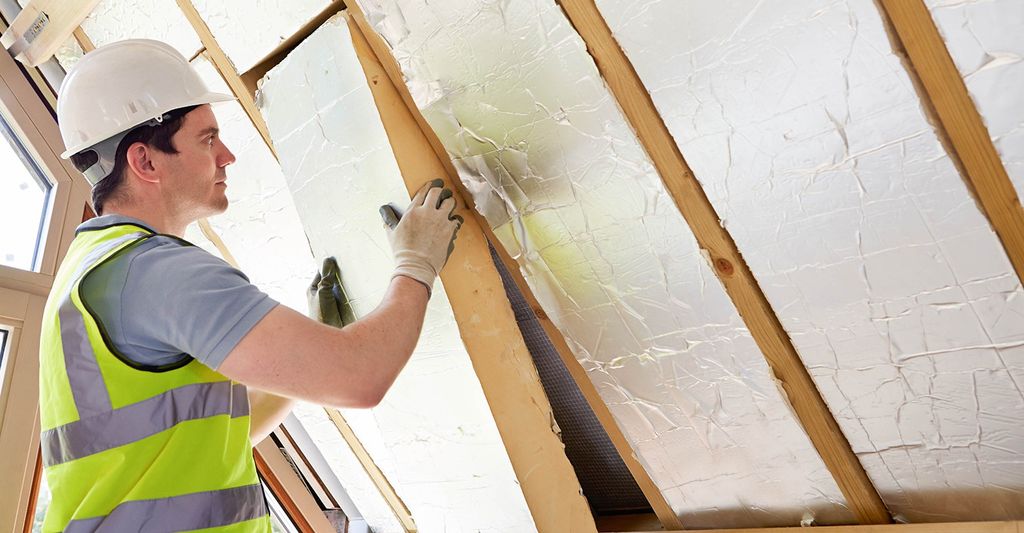
What to do:
- Check each room for drafts and uneven temperatures.
- Review energy bills to see whether there have been any recent spikes.
- Check and measure your insulation levels (have a pro perform this task if you don’t know how).
- Check for gaps and cracks in your attic, including the attic hatch.
Without a strong seal, you may experience drafts in your home, increasing the amount of energy needed to keep it warm.
Ensure that your attic is sealed correctly to help cut heating costs in fall and winter. If drafts are present in your home, install a hatch.
You should also make sure your attic is insulated. If your attic is drafty and your energy bills are high, you’ll likely need to add insulation or upgrade your current insulation.
10. Seal and caulk cracks around windows, doors, and more

Check the following areas for gaps and cracks:
- Windows
- Doors
- Ceiling
- Baseboards
- Attic
- Electrical outlets
- Foundation seals
- Vents
- Fans
Cold weather can strain your heating system and lead to higher energy bills. But by preparing your house for the cold, you can avoid wasting precious warm air. Plus, if you don’t seal or caulk cracks, cold air can enter your home and freeze your pipes.
Inspect all weatherstripping in your home, and seal your windows, doors, and cracks.
11. Fix or upgrade your exterior lighting

Inspect exterior lighting around:
- Stairs and steps
- Fountains and water features
- Swimming pools
- Patio, deck, and porch
- Walkways and pathways
- Driveway
The days get darker sooner in fall. Before that happens, make sure your outdoor and landscaping lights are bright. This will help prevent falls and slips in your yard, driveway, and other outdoor spaces.
If you decide to upgrade your outdoor lighting or create a festive atmosphere by installing string lights for the holidays, “avoid crossing walkways with cords,” says Brian. “If necessary, attach cords to the ground to avoid a tripping hazard.”
12. Clean your crawl space

What to do:
- Clear out any debris or leaves piling up in your crawl space.
- Continue to check your crawl space as the season progresses.
- Check for issues involving moisture, mold, pests, insulation, plumbing, electrical wiring, and cracks in your foundation.
If debris, leaves, and construction materials accumulate in your crawl space, it may become susceptible to moisture, mold, cracks, pests, and other issues. Consider cleaning it out this fall.
13. Test smoke and carbon monoxide detectors

- Replace the batteries in your smoke detectors and CO alarms every year.
- Ensure smoke alarms are located on every level in your home, outside any sleeping spaces, and inside every bedroom.
- Ensure CO alarms are installed on each level in your house, as well as outside sleeping areas.
As we approach the holidays, you might decide to put up decorations like a Christmas tree and start using your furnace or fireplace more often. Keep your household safe by double-checking all of your alarms and detectors during the fall.
Give your maintenance checklist to the pros
Fall is the perfect time to clean up your property and prepare for winter. Get help with your fall home maintenance checklist, and download the Thumbtack app. Use it to find the best home maintenance pros near you.
How it works.

Search.
Browse profiles, see prices and use filters to find pros who match your project.

Chat.
Contact the pros you like to discuss project details.

Hire.
Check pro availability and book appointments right in the app.
Find local pros for your project
Tell us what you're looking for and we'll show you pros right for the job, with prices.