How to clean your windows in 6 easy steps
By Thumbtack Staff•Last updated Apr 6, 2022
Last updated Apr 6, 2022
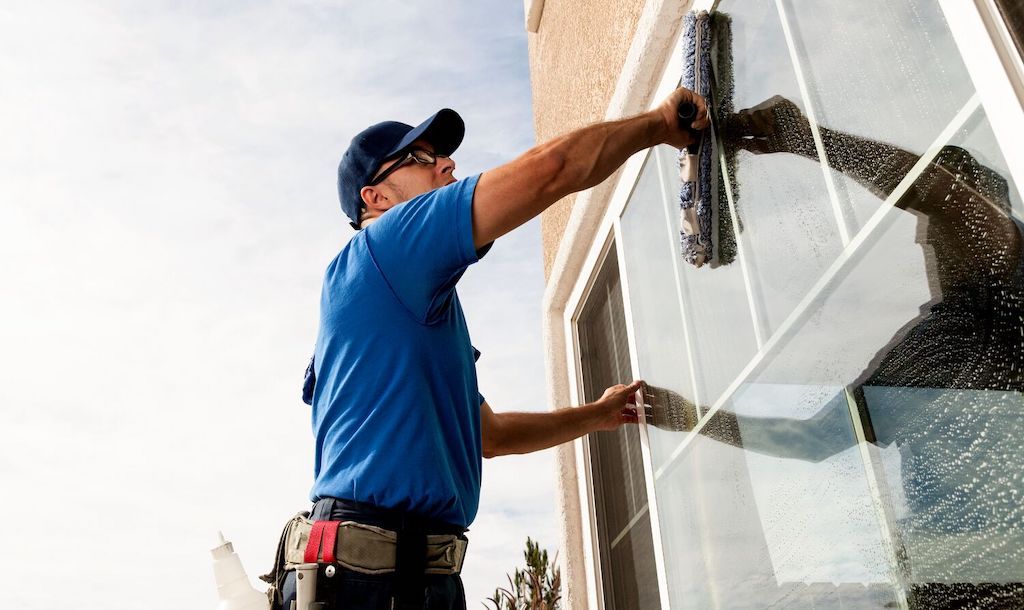
Ah, to look out the window this spring on an unobstructed view of your garden, lawn or deck — without having to squint beyond the water spots, grit and grime that usually streak up your window panes.
Count on these tips from the top window cleaning pros on Thumbtack to get your dirty glass squeaky-clean in the most efficient and cost-conscious way possible.
What is the best thing to clean windows with?
Before starting your window-washing project, make sure you have the following supplies on hand:
- Bucket
- Dish soap
- White vinegar
- Spray bottle
- Squeegee wet and dry covers
- Steel wool
- Microfiber cloth (or lint-free towel)
- Vacuum (optional)
- Paper towels
- Distilled water
Pro tip: You don’t need to spend a lot of money on a “streak-free” commercial cleaner for dirty windows. A homemade DIY solution with dish soap and warm water will do the trick. You can also make a glass cleaner using white vinegar and water.
6 easy steps to achieve clean, streak-free windows

You have your window-cleaning solution, bucket, and supplies in hand. Here’s how to clean dirty glass windows and achieve a spotless, streak-free shine:
Step 1: Remove dust and dirt
Before you wash your windows with your cleaning solution, do your best to get rid of the dust and dirt that’s built up on and around the glass. Remove dirt from your window frames with a handheld vacuum or a lint-free cloth. Get rid of grime around the outside of your windows with a hose.
Step 2: Prep your cleaning solution in a bucket — and use a spray bottle
Cleaning your windows is more about time and elbow grease than buying the right window-washing products. Experts say a homemade mixture of dishwashing liquid and warm soapy water can leave your windows just as streak-free and shiny as name-brand cleaner.
While you’re mixing your bucket, prep a spray bottle with equal parts white vinegar and water to give problem areas a second pass.
Step 3: Clean the windows with a squeegee wet cover
Squeegee wet covers are best for large windows, especially on hot days when the solution dries fast. To avoid doubling your work, only clean windows when they’re not in direct sunlight (more on that later).
Dip the squeegee into soapy water, wring out any excess water, and wipe down the whole window, including corners. You should see a soapy residue on the surface of the glass. If you don’t — or if you hear squeaks — it’s a sign you need more soap in your solution.
Clean windows one pane at a time. If suds land on an already clean window, dry them off right away using a microfiber cloth.
Step 4: Remove soap and water with a dry squeegee
Remove the wet cover from the squeegee, and use the rubber blade to clean and dry the windows. If you’re dealing with a series of small window panels, use the squeegee vertically, from the top of the window to the bottom. If the window is larger, remove water in overlapping horizontal strokes, stopping to wipe your squeegee off with a paper towel (or other lint-free cloth) every other stroke.
Use an old towel or cloth diaper to catch any excess water collecting on window sills.
Step 5: Spot clean your windows
Spot clean the window and remove any drips or streaks using the white vinegar-water solution you made earlier.
Step 6: Remove hard water stains and water spots from the glass
Lifting hard water stains off a glass surface generally takes more than water and dish soap. Some window cleaners use steel wool to scrub mineral buildup off windows. Wet the steel wool, and go back to already-clean windows and work your way over problem areas in small circles.
Pro tip: You can also remove water spots from windows with white vinegar and water, or baking soda and water.
Window washing mistakes you don’t want to make

Mistakes happen, but here are a few that are easy to avoid when you’re washing your windows.
Mistake #1: Smearing dirt around with a dry paper towel (it’s not cleaning)
Some experts will tell you to wash your windows by spraying them with harsh cleaning products and wiping them clean with newspaper. You’ve probably seen your neighborhood coffee shop do the same thing. It does work — but only if you clean your windows all the time.
If you’re more of a bi-yearly window cleaner, this method will just move the dirt around and leave your windows murkier than when you started.
Mistake #2: Not cleaning your window screens
Window screens catch all of the stuff you want to keep out of your home — dust, dander, and bugs. Not surprisingly, screens can get pretty filthy. Beyond tripping your allergies, dirty screens can also make your freshly cleaned windows look as bad as they did before you started.
Do the job right. Take your screens out of the window frame, wipe them down, and vacuum them out.
Mistake #3: Cleaning your windows on a bright, sunny day
Always avoid washing your windows in direct sunlight. The heat may cause your window cleaning solution to evaporate too quickly, leaving your windows with stubborn streaks that can be hard to remove. Instead, consider cleaning your windows when there are a few clouds in the sky to provide some protection from the sun.
How much does professional window washing cost?

The most common window cleaning costs are for exterior window washing, interior window washing, window screen cleaning, and window track cleaning. Window cleaners have seen — and can clean — it all: windows without grids, sliding glass doors, jalousie or louvered windows, skylights, tall buildings, and storefronts.
Most window washing companies charge flat prices per window, regardless of where you are or what you need cleaned. On average, the cost of a cleaning depends on how long it takes and the level of energy — and risk — involved in the type of cleaning.
Most quotes include the price of cleaning both inside and outside the window. Services like screen cleaning and removing hard water stains often cost extra. Make sure to ask professionals what’s included when you ask for quotes.
Who to hire to clean your windows
When the grime on your windows is thick enough to write messages in, it’s time to turn to the pros. You can hire a top-rated professional on Thumbtack, starting with:
FAQs
Is vinegar good for cleaning windows?
Yes, vinegar can do a powerful job of cleaning your windows. According to NSF International (previously called the National Sanitation Foundation), vinegar contains acetic acid that can break down some “dirt, oils, films, stains and bacteria” on glass surfaces — including glass windows.
When using vinegar to clean your windows, keep these tips in mind:
- Use a 1:1 solution — 1 part vinegar and 1 part water. This can help you remove water spots from your windows.
- Never create a window cleaning solution made of vinegar, bleach, and/or hydrogen peroxide. That can be dangerous.
- Stick to white vinegar — avoid apple cider vinegar or wine vinegar.
What is the best way to clean windows without streaking?
When cleaning your windows, remember these tips to avoid streaking:
- Don’t clean your windows when it’s sunny and hot.
- Use a white vinegar solution that includes dish soap and water.
- Don’t clean your windows with a dirty solution. If it’s getting too dirty, dump it out and make a fresh batch.
- Start from top to bottom.
- Use distilled water.
- Remove as much dirt as possible before washing your windows. You can do this with a vacuum and/or hose.
- Be sure to remove all of the water from your windows before it dries.
- When drying your window, make sure you're keeping your squeegee dry by wiping it in between each pass or every other pass.
- Don’t stop mid-project — finish washing and drying or else the solution might dry and leave behind streaks.
- Avoid using newspapers when drying your windows.
How do you remove water spots from glass windows?
The following DIY solutions and products can help you remove water spots from windows:
- White vinegar and water
- Baking soda and water
- Rubbing lemon on the glass
- Commercial window cleaners
How it works.

Search.
Browse profiles, see prices and use filters to find pros who match your project.

Chat.
Contact the pros you like to discuss project details.

Hire.
Check pro availability and book appointments right in the app.
Find local pros for your project
Tell us what you're looking for and we'll show you pros right for the job, with prices.