10 ways to prevent freezing pipes in your home
By Alyssa Chua•Last updated Dec 16, 2023
Last updated Dec 16, 2023
Table of Contents
- 1. Insulate your pipes.
- 2. Let your faucet drip.
- 3. Make sure your indoor temperature is warm enough.
- 4. Check for drafts in your home.
- 5. Consider installing pipe heat cables.
- 6. Get energy-efficient windows.
- 7. Open doors and cabinets in your home.
- 8. Unhook any hoses connected to outdoor faucets.
- 9. Know where the master shut-off valve is.
- 10. Prepare ahead of time if you’re going on a winter vacation.
- How do you unfreeze pipes?
- Hire a plumber to protect your pipes this winter.
Find local pros for your project
Search for pros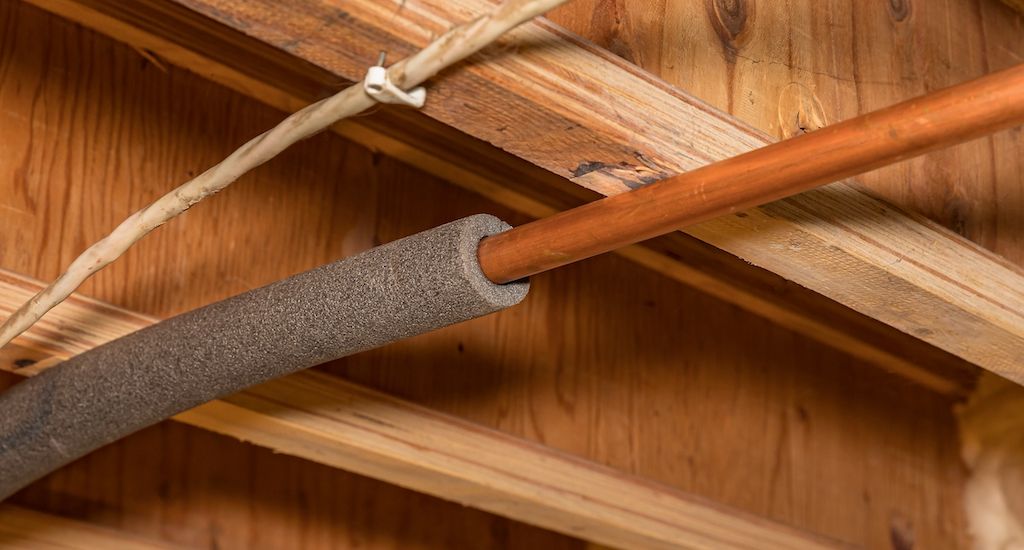
When winter blows in and the temperatures plummet, your water pipes may be in danger of freezing. And as water freezes, it puts pressure on your pipes, causing them to expand and burst.
Fortunately, you can avoid incidents like this. All you need to do is take a few steps to ensure cold water won’t freeze in your pipes when temperatures drop. Keep reading to find out how to keep your pipes from freezing.
1. Insulate your pipes.

Pipe insulation acts as a protective shield for your pipes, helping prevent extreme cold from freezing the water inside them. Consider wrapping your pipes in foam insulation or using heat tape. Focus on areas such as your basement or exterior walls, where exposed pipes are at greater risk of freezing.
If you aren’t sure which materials to use or how to insulate your pipes, you can check with a plumber near you.
2. Let your faucet drip.

We’ve heard that a leaking faucet can cost you a lot of money. But in winter, it can actually help prevent your pipes from freezing. By allowing water to drip, a small amount of water can flow through your pipes. This relieves pressure buildup and keeps water moving, which helps prevent it from freezing.
3. Make sure your indoor temperature is warm enough.

While lowering your thermostat to save on energy sounds like a good idea, it may not be the best option for your pipes. Ideally, you should maintain a consistently warm temperature in your home — no lower than 55° Fahrenheit. With a steady room temperature during the day and at night, you can help ensure your pipes stay warm and don’t freeze.
4. Check for drafts in your home.

As you prepare your house for cold weather, seal drafts near your doors and windows to keep the cold outside and the warmth inside. Doing this will help protect your pipes from freezing weather, so you don’t need to worry about them during the winter.
Check for cracks and openings around windows, doors, and sill plates. If needed, add weatherstripping and caulk the crawl space around your doors and basement windows.
5. Consider installing pipe heat cables.

Pipe heat cables are thermostat-controlled heating cables that help protect your pipes. You can install them before winter arrives and unplug them at the end of the season.
Follow the manufacturer's instructions when installing them. Or, hire a plumber to handle this task for you.
6. Get energy-efficient windows.

If you’ve got old windows in your basement, consider installing storm windows over them. You can also replace old windows with more energy-efficient ones to keep your home warm and insulated throughout winter.
7. Open doors and cabinets in your home.

Even though temperatures may be freezing outside, you want warm air to circulate evenly throughout your home. Open cabinet doors and room doors to allow heat to reach pipes, especially those under sinks and in other unheated areas.
8. Unhook any hoses connected to outdoor faucets.

After you’re done with all your gardening and backyard work for the season, don’t forget to turn off, drain, and disconnect your hoses from your water supply lines. You may also want to drain any water from your sprinklers so they don’t freeze and get damaged. You can also install a faucet cover to help protect your plumbing from freezing during the winter.
9. Know where the master shut-off valve is.

If all else fails, you’ll want to turn off the water flow to the building immediately. Even before winter comes, make sure you know where the water master shut-off valve is and how to operate it.
10. Prepare ahead of time if you’re going on a winter vacation.

If you’re planning a vacation away from home, prep your home before you leave — especially your pipes. Shut off the main water supply, turn on all the faucets to drain the pipes, and flush the toilets. These measures can eliminate any water remaining in your pipes, so there’s less chance of it freezing while you’re away.
You may also want to leave the heat on in your home and set it to a temperature no lower than 55° Fahrenheit. If possible, ask a neighbor, family member, or friend to check your house regularly to make sure everything is working properly.
How do you unfreeze pipes?
If your pipes have frozen, you’ll need to thaw them. You'll need to use a heat source, such as an electric hair dryer, towels soaked in hot water, or a portable space heater. You can use other heat sources to thaw frozen pipes as long as they don’t have open flames.
Apply heat until full water pressure is restored. Turn on your faucet so the water runs out and helps melt the remaining ice on the pipe.
Hire a plumber to protect your pipes this winter.
It’s important to know how to prevent pipes from freezing, especially during winter. If you want your home to stay in good shape, you need to take measures to prevent pipes from freezing and bursting. Start as early as you can — before the temperature starts to drop.
If you aren’t sure what to do or what materials to use to prevent frozen pipes, download the Thumbtack app. Search for a top-rated professional plumber near you, and ask for quotes.
How it works.

Search.
Browse profiles, see prices and use filters to find pros who match your project.

Chat.
Contact the pros you like to discuss project details.

Hire.
Check pro availability and book appointments right in the app.
Find local pros for your project
Tell us what you're looking for and we'll show you pros right for the job, with prices.