25 tasks to add to your winter home maintenance checklist
By Thumbtack Staff•Last updated Jan 23, 2024
Last updated Jan 23, 2024
Table of Contents
- 1. Focus on your heating system
- 2. Maintain your water heater
- 3. Inspect your plumbing for leaks
- 4. Prevent frozen pipes
- 5. Deep clean your home
- 6. Don't forget to clean your carpets
- 7. Protect your entryway from mud and snow
- 8. Check your locks
- 9. Upgrade to a smart home system
- 10. Check for air leaks and inspect weatherstripping
- 11. Make sure your home is well insulated
- 12. Tend to your fireplace and chimney
- 13. Pump your septic tank
- 14. Clean your gutters to prevent ice dams and other issues
- 15. Remove snow from your roof
- 16. Improve your indoor lighting
- 17. Upgrade your outdoor lighting, too
- 18. Clear your yard
- 19. Stay on top of winter lawn care tasks
- 20. Prune your trees and plants
- 21. Winterize your pool
- 22. Schedule snow plowing services
- 23. Prepare your home for winter storms
- 24. Re-paint your rooms
- 25. Install radiant heated flooring
- Hire pros to help you maintain your home this winter
Find local pros for your project
Search for pros
Winter can wreck havoc on your home — both inside and outside. That's why smart homeowners know which projects and tasks they should prioritize to avoid costly damage and protect their curb appeal. For homeowners wondering what tasks to complete this winter, read the following checklist. It outlines several essential home maintenance to-dos — both big and small — to take on this season.
1. Focus on your heating system

Central heating should be a priority in the fall and early winter. As temperatures dip, your home’s heating system becomes essential for comfort and safety. If it isn’t maintained regularly, it can also lead to costly repairs later on.
Hire a top-rated professional to inspect your furnace, boiler and HVAC system. Start the winter season with a complete HVAC inspection and take care of any repairs or cleaning tasks that will keep your family safe and warm. For larger, more expensive projects, such as replacing a furnace or installing new ducts, request price estimates from multiple pros to make sure you’re paying a fair price.
2. Maintain your water heater

When it’s chilly outside, nothing sounds better than a hot shower or a long bubble bath. Unless the water is ice cold.
Prevent hot water mishaps by servicing your water heater. Flush your tank and add insulation to your pipes and tank, too. Be sure to check your water heater’s temperature, test the pressure relief valve and inspect your anode rod. If you don’t know how to DIY these tasks, consider calling in a pro.
3. Inspect your plumbing for leaks
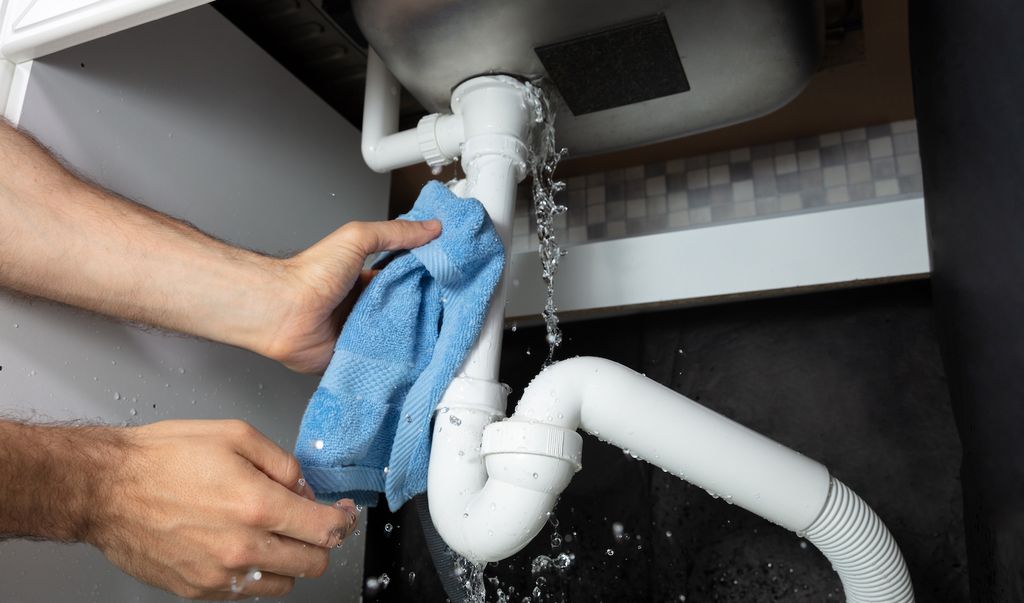
Taking care of your pipes is a crucial winter task. Walk through your kitchen and bathrooms and inspect faucets, sinks, pipes and other fixtures for potential leaks.
How do you know if you have a leak? The Environmental Protection Agency (EPA) offers this key tip: “Take a look at your water usage during a colder month, such as January or February. If a family of four exceeds 12,000 gallons per month, there are serious leaks.”
Other signs of a leak include:
- A spike in your water bill
- Low water pressure
- Sudden moisture in your walls
- Unusual odors
A small drip or leak might not seem like a big deal, but the EPA says one leaky faucet can waste more than 3,000 gallons of water in a year. Leaks can also lead to permanent water damage. Contact a plumber if you suspect your plumbing needs repair.
4. Prevent frozen pipes

A frozen pipe can burst if you don’t take action to prevent it. A burst pipe can cause water and structural damage, slippery conditions if the burst occurs outside, and a costly repair bill.
Throughout the winter, look for signs of frozen pipes — lack of running water, weird odors and visible frost. This is especially important if you live in a region where the weather gets below freezing and if you have:
- Swimming pool supply lines
- Hose bibs
- Water sprinkler lines
- Little or no insulation for pipes in exterior walls
- Pipes in an unheated basement, attic, garage, crawl space or kitchen cabinet
Pro tip: If you haven’t done so already, drain the water from your sprinkler system and turn it off for the season. Insulate your hot water pipes to prevent heat loss, lower your water temperature setting and conserve water when possible, and you could save big.
5. Deep clean your home

If your household tends to spend more time indoors during the colder season, it’s a good idea to do a deep clean. Deep cleaning addresses the areas in your home that you usually skip during your regular cleaning routine. When deep cleaning your home, a professional house cleaner will spend more time on certain areas, such as the bathroom, fridge and oven, to remove dirt and grime.
- Baseboards and floors
- Bathroom tile, shower heads and aerators
- Blinds and interior windows
- Ceiling fans
- Countertops
- Kitchen appliances, including under and behind them
- Light fixtures and bulbs
- And more
6. Don't forget to clean your carpets

Speaking of house cleaning, we recommend you get your carpets professionally cleaned, too. Steaming your carpets adds freshness just in time for the holidays and helps protect your family’s health.
Because carpets can trap dirt, dust mites, pet dander and other pollutants, the American Lung Association recommends deep cleaning your carpet once a year using dry steam cleaning. If you don’t have the necessary equipment or skills, schedule an appointment with a professional carpet cleaning service near you.
7. Protect your entryway from mud and snow

When it’s snowy and wet outside, there’s a good chance all that muck will get tracked into your home, especially near your front door and entryway. To protect your flooring, lay down a mat or rug. You can also add something like a bench with a shoe rack or cubbies so people can store their boots and shoes when they enter your home. Add hooks or a coat rack so guests can hang raincoats or winter jackets.
8. Check your locks

Winter is a good time to check the locks on your doors and tighten any loose screws. If a lock has been sticking or a doorknob has stripped screws, it’s worth hiring a locksmith to fix things up. It’s all about keeping your family safe, especially if you plan on traveling during the holidays and in the new year.
9. Upgrade to a smart home system

If you don’t have one already, consider installing a smart home security system for additional protection and maintenance alerts. With a smart home system, you can:
- Get notified when there’s a hazard, such as water leaks, smoke or carbon monoxide leaks, that you need to address and fix
- See videos when someone rings your doorbell or unlocks your front door
- Remotely maintain and control your home’s temperatures, window shades, lighting and more
10. Check for air leaks and inspect weatherstripping

As freezing temperatures set in, check the areas around your home that experience heat loss. Heat can escape through windows and doors where the weatherstripping or caulking has deteriorated, leading to higher energy bills and a less comfortable home.
Keep heat in and cold air out by checking for air leaks. Look for cracking or dried-out weatherstripping around your windows, doors and attic. If you find any drafts in your home, replace your weatherstripping or caulk as needed.
11. Make sure your home is well insulated

Ideally, you would’ve insulated your home in the fall, before winter arrives. However, it’s better late than never. If you haven’t insulated your home, inspect the following areas that may need extra protection during the winter:
- Indoor and outdoor pipes
- Attics, basements, garages and crawl spaces
- Exterior walls
- Vents and ductwork
- Doors and windows
With proper insulation, you can help lower your energy bills and keep freezing weather out of your house. Reach out to an insulation contractor near you who can address these areas in your home.
12. Tend to your fireplace and chimney

There are many maintenance projects that can transform your home from “just a house” to a “cozy home.” For example, fireplace refacing creates major visual impact.
But, more importantly, make sure your fireplace and chimney are clean. A professional chimney inspector can tell you if your chimney needs repairs or a cleaning. This helps ensure your family stays safe when using a fireplace throughout the winter.
13. Pump your septic tank

If your home uses a septic tank, the EPA recommends having it pumped every three to five years. Pumping your septic tank before having family over for the holidays helps prevent unwanted issues. And when the holidays are over, a properly maintained septic tank will lower the chances of a costly repair bill. The EPA also says maintaining your tank can help protect the environment, your household and your neighbors.
Find out when your septic tank was last pumped. If it’s been more than three to five years, find professional septic tank pumping services in your area and request a few estimates before scheduling an appointment.
14. Clean your gutters to prevent ice dams and other issues

In the fall, leaves, twigs and other debris can build up on your roof and in your gutters, which can cause severe damage in the winter. If you don’t remove debris from your gutters, it can trap water that may freeze and form an ice dam.
Cleaning your gutters during this season can also help prevent sagging, mildew, mold and pests. You’ll also prevent leaks and water damage by directing water away from your home’s exterior.
15. Remove snow from your roof

If you get snow in the winter, don’t let it pile up on your roof. Too much snow can lead to ice dams and cause your roof to collapse — a pricey emergency you’re better off preventing. You can use a snow rake to remove buildup, but it’s recommended that you work with a partner who can assist you while you’re climbing the ladder. Or, find a professional to do this tricky, and a little unsafe, maintenance task for you.
Also, keep an eye on your roof during the winter and look for signs of structural problems such as a sagging or leaking roof, weird sounds and cracks in your wall.
16. Improve your indoor lighting

Upgrading, adding or changing the lights in your home creates a brighter, more inviting space during the winter months. With the sun setting earlier and the colder, darker days, it’s a great idea to upgrade your lights to improve your mood.
For example, recessed lighting in your ceiling can provide ambient, task or accent lighting. Plus, it’s a great way to create a focal point. Cove lighting offers a touch of elegance, while pendants tend to be more decorative. Research different styles, and contact a lighting pro to install the fixtures for you.
17. Upgrade your outdoor lighting, too

Improve your home’s curb appeal and help prevent trips and falls by adding outdoor light fixtures. Place lights around your front steps and any in-ground water features or fountains.
You should also make sure all of your walkways and pathways are easy to see at night. If not, consider installing garden lights, flush lights, well lights or downlights.
18. Clear your yard

Before winter fully sets in, take the time to clean up your deck, patio or outdoor living space by removing or protecting items that can get damaged during rain or snowstorms. Put away patio furniture, toys, gardening tools, lawn mowers and hoses.
19. Stay on top of winter lawn care tasks

Don’t forget to tend to your plants, trees and garden this winter. Maintain your lawn and garden by removing weeds. Keep watering your plants until the first freeze, and continue to water if you experience dry winters. And if you didn’t do it in the fall, consider aerating and fertilizing your lawn before freezing weather hits.
Throughout the season, rake fallen leaves so they don’t prevent healthy grass growth. You can also mulch your leaves and use them to help protect your plants and trees from winter’s harsh elements and reduce water loss.
20. Prune your trees and plants

Depending on the type of trees you have in your yard, winter might be the best time to prune them. If your trees are dormant during the winter, pruning them now can help protect their health and encourage growth in the spring.
Even if a tree isn’t dormant right now, it might be necessary to cut dead branches or limbs that pose a safety hazard during winter storms. Consider hiring a professional service to cut off loose or dead branches.
21. Winterize your pool

A swimming pool, whether in-ground or above-ground, can be a significant investment and requires regular maintenance. One of the most crucial steps in pool maintenance is winterizing your pool. This process helps protect your pool from winter’s harsh weather.
To winterize your pool, a professional will usually do these basic steps:
- Clean your pool and add winterizing chemicals
- Shock the pool
- Lower the water level
- Drain water from the pump and filter
- Clear, remove and store pool equipment
- Blow out water lines to prevent freezing damage
- Cover the pool
22. Schedule snow plowing services

If you live in an area that receives frequent snowfall during the winter, don’t wait to schedule plowing services. These pros help clear your driveway so you don’t have to worry about maintaining a clear path. That way, when it’s time to run errands, go to work or leave your home in the case of an emergency, you’ll be ready at a moment’s notice.
23. Prepare your home for winter storms

Winter storms can wreak havoc on your home. Whether you’re expected to experience heavy rain, wind or snow, preventative maintenance helps you avoid expensive repairs in the future. For example:
- Waterproof your home. Specifically, install a sump pump in your basement, seal your walls and make sure your gutters, downspouts and drains are routing water away from your home’s foundation. If you already have a sump pump, make sure it’s working correctly.
- Prepare for a power outage. If the power goes out, make sure you’re ready for it. Get a portable generator, stock up on important supplies like food, medicine, a first aid kit and flashlights, insulate your pipes and seal gaps in your home to retain indoor heat.
- Prevent structural damage by trimming tree branches, removing furniture and grills from your yard, and installing storm windows and doors.
- Locate and test your main water shut-off. Make sure you’ll be able to close the valve during an emergency or when there’s a surprise leak.
24. Re-paint your rooms

Adding a fresh coat of paint to one of your rooms is a fun winter decorating project. Fresh paint contributes to your home’s overall feeling and ambiance, says Shannon Katz of Smart Construction Consultants Inc. Plus, it gives you an opportunity to touch up and fix the paint on your walls.
During the darker winter months, liven up your interior by adding uplifting or warm colors to make your home cozier. For example, colors such as yellow, orange and red can provide warmth. Or choose colors like charcoal and blue for a sophisticated “winter wonderland” look. You should also check out the top paint colors of the year — you may find a trendy shade that will transform your home.
If you want to makeover several rooms and need help deciding which colors to choose, as well as decorative accents and accessories, consider hiring an interior decorator.
25. Install radiant heated flooring

Nobody likes cold toes. Are you tired of walking barefoot on freezing tile floors in your drafty bathroom or open-concept living room? A floor heating system might be your answer. This system increases the temperature in a room from the floor up, and it’s supremely cozy.
The most common types of radiant floor heat are electric and hydronic floors. These have an electric system or electric cables built into the floor. If you opt for a hydronic system, heated water is pumped from the boiler through tubing under the floor. Hydronic radiant floor heating is the most common and cost-effective of the two options, according to the U.S. Department of Energy.
Hire pros to help you maintain your home this winter
This winter, complete these home maintenance tasks to protect your home while making it safer and more comfortable to live in. If these projects are too much to handle on your own, use Thumbtack to hire top-rated home maintenance professionals near you.
A note about project costs included or linked in this article: Figures represent national average cost estimates using data provided by Thumbtack pros and additional research. These figures are provided for educational purposes only and are subject to change at any time due to various factors. Details about your specific project and local rates can impact costs.
How it works.

Search.
Browse profiles, see prices and use filters to find pros who match your project.

Chat.
Contact the pros you like to discuss project details.

Hire.
Check pro availability and book appointments right in the app.
Find local pros for your project
Tell us what you're looking for and we'll show you pros right for the job, with prices.