9 tips to avoid electrical shocks, fires, and hazards at home
Thumbtack Staff•Last updated Jul 31, 2023
Last updated Jul 31, 2023
Table of Contents
- 1. If it’s damaged, replace it.
- 2. Know when to get an electrical inspection.
- 3. Use extension cords as little as possible.
- 4. Be careful when doing home projects and using appliances.
- 5. Make sure your electrical system is child-proof.
- 6. Recognize the signs of electrical fires.
- 7. Switch to GFCIs — especially in damp areas.
- 8. Hire a professional if trimming trees near power lines.
- 9. Inspect alarms, detectors and extinguishers.
- Hire an electrician near you today.
Find local pros for your project
Search for pros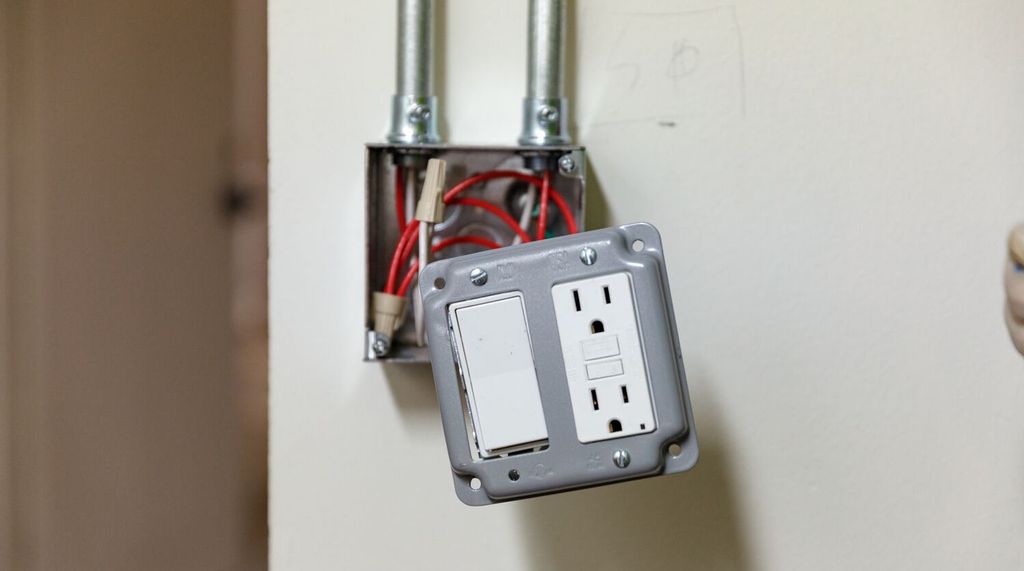
Your home’s electrical system is just like any other part of your home. With time, it will wear down and require maintenance. Knowing what to do and how to do it safely is an essential part of keeping your house running smoothly and avoiding electrical and fire hazards.
Due to the complex nature of electricity and the experience needed to properly diagnose problems, the majority (if not all) of your electrical maintenance projects should be performed by an electrician. Here are several electrical safety tips for maintaining your home’s power supply.
1. If it’s damaged, replace it.

This general rule applies especially to electrical systems. Whether it’s extension cords, appliance wiring, power cords, outlets, light switches, or any other electrical component, leaving damage unrepaired is asking for trouble.
For example, if you have frayed, stiff, or cracked electrical cords, replace them. They could become an electrical shock or fire hazard.
Outlets can show signs of failure too. For example, if the cover plates over your electrical outlets are warm or hot, call an electrician, advises the Consumer Product Safety Commission (CPSC). This could mean you have unsafe wiring that needs inspection.
2. Know when to get an electrical inspection.

If you’re experiencing electrical problems, contact an electrician for an inspection. The Electrical Safety Foundation International (ESFI) also recommends getting an electrical inspection if:
- Your home is 40 years old or older.
- You purchased a previously owned home.
- You finished a major renovation.
- You installed major new appliances in the last 10 years.
3. Use extension cords as little as possible.

There are several reasons to minimize extension cords in your house. For one, they can be a tripping hazard. You could easily trip over cords lying across floors or forming loops, and that can yank the cord out of the wall and damage it, making it unsafe for future use.
Extension cords can also cause an electrical overload and deteriorate over time. When an extension cord deteriorates, it may create a dangerous electric shock or fire hazard, states the ESFI.
And remember this: Relying on extension cords usually means you need more outlets. If you find yourself using extension cords frequently, hire an electrician to install more outlets throughout your home. Reach out to a few electricians near you to get cost estimates for outlet installation.
4. Be careful when doing home projects and using appliances.

Operating certain appliances, performing repairs, and DIYing home projects could put you at risk for electrical hazards. Here are some steps to help you avoid electrical fires and shocks:
- Unplug small appliances when you’re not using them.
- Unplug appliances that you are troubleshooting and repairing. In fact, consider shutting off the power and/or water supply completely when performing repairs on washers, dryers, and similar appliances.
- Turn off the circuit breaker when removing outlet covers. If you're painting your interior walls or applying new wallpaper, you might want to remove an outlet's cover plate. Be careful when doing so, and shut off your power to avoid electrical shock.
- Don't drill into electrical wires. If your home project requires you to drill into a wall, make sure you don't accidentally drill into wires. This could cause a fire.
- Don’t use an extension cord to plug in major appliances, like refrigerators, washers, and dryers. Instead, plug them directly into the wall. The same goes for small appliances.
- Check your appliance cords often, and replace damaged ones.
When repairing or replacing a major appliance, consider hiring a trained professional instead of attempting to DIY it.
5. Make sure your electrical system is child-proof.

Whether you have children or not, it’s a good idea to child-proof your outlets and electronic devices for added safety.
A powerful aid in keeping kids safe from electric shock is a tamper-resistant receptacle. These receptacles have a built-in safety mechanism to “prevent electricity from energizing anything that is stuck into the receptacle that shouldn’t be,” reducing the risk of electrical shocks, according to the National Fire Protection Association (NFPA). You should also use outlet covers and outlet plates to help prevent electrocution, states the CPSC.
If you have children in your household, spend time educating them about electrical safety. Teach kids that outlets and certain appliances are off-limits, and encourage them to ask you for help if they need to use an electrical device.
6. Recognize the signs of electrical fires.

Every electric circuit is designed to handle a certain amount of electricity. But if your circuit is overloaded, a residential fire may occur.
The CPSC and ESFI outline several signs of a possible electrical or fire hazard. These include:
- Power outages and frequently tripped circuit breakers that you have to reset
- Flickering or dimming lights
- Bright flashes or sparks near your electrical system
- Warm wall and switch plates, cords, plugs, or receptacle outlet covers
- Loose or wobbling plugs
- Cracking or buzzing noises coming from receptacles
- Burning odors coming from receptacles, wires, or wall switches
- Any type of shock or tingle from appliances, receptacles, or switches
Consult an electrician to help you diagnose the problem and fix it.
7. Switch to GFCIs — especially in damp areas.

To prevent deadly shocks, replace traditional outlets with ground fault circuit interrupters (GFCIs) in damp areas like bathrooms, laundry rooms, basements, and even outdoors. In fact, the National Electrical Code requires GFCIs in your kitchen, bathrooms, garage, and outdoors, according to the ESFI.
If these outlets aren’t already present, hire an electrician to install GFCIs in the required areas.
8. Hire a professional if trimming trees near power lines.

Ideally, your trees should be far away from dangerous power lines. But if you notice your tree is too close to a power line, you may need to trim it. Instead of doing this yourself, hire a tree trimming service.
Be sure to tell them about your tree’s proximity to the overhead line, and ask whether they’re properly trained to handle the situation. To familiarize yourself with what a tree trimming company should know and prepare for, check out the Occupational Safety and Health Administration’s guide on electricity and tree care. These guidelines are for small business owners and front line supervisors who perform regular tree-trimming operations.
9. Inspect alarms, detectors and extinguishers.

In the event of a fire, you need to be warned and prepared. Make sure you have smoke alarms installed on every level of your home, outside sleeping areas, and inside bedrooms, recommends the CPSC. Replace the batteries annually or as soon as you notice they’re dead.
The NFPA recommends inspecting your fire extinguisher. For example, ensure it’s in a location that makes it easy to retrieve quickly. And make sure the pressure gauge is in the correct position.
Hire an electrician near you today.
It’s important to have your home regularly inspected for electrical safety. Find a top-rated electrician near you to tackle small projects, prevent disasters, and check wiring or devices for safe use.
Simply enter your zip code on Thumbtack and narrow your selection by ratings, customer reviews, and prices. Contact several electricians to get a quote and make your decision.
A note about project costs included or linked in this article: Figures represent national average cost estimates using data provided by Thumbtack pros and additional research. These figures are provided for educational purposes only and are subject to change at any time due to various factors. Details about your specific project and local rates can impact costs.
How it works.

Search.
Browse profiles, see prices and use filters to find pros who match your project.

Chat.
Contact the pros you like to discuss project details.

Hire.
Check pro availability and book appointments right in the app.
Find local pros for your project
Tell us what you're looking for and we'll show you pros right for the job, with prices.