Lawn aeration 101: How to aerate your lawn
By Evan Crowther•Last updated Jun 8, 2023
Last updated Jun 8, 2023

For any first-time homeowner, having a lawn is an exciting point of pride. But now that you have your own lawn, there are a few things you should know about caring for it.
One crucial part of proper lawn care maintenance is practicing regular lawn aeration. In this guide, you’ll learn everything you need to know about how to aerate your lawn.
Why is lawn aeration important?
The soil in your lawn can become compacted over time. Compacted soil can result from excessive rainfall, as well as foot and wheel traffic.
Soil compaction makes it harder for nutrients and water to reach your grass roots. Aerating tools create small holes in the soil that break up compaction. Loosening the soil promotes root growth and helps keep your grass healthy.
When and how often should I aerate my lawn?
The timing for aerating your lawn depends on the type of grass and soil you have. Cool-season grasses like Kentucky bluegrass benefit most from aeration in early spring or early fall. Warm-season grasses such as zoysia or Bermuda grass should be aerated in the summer or late spring.
If you notice any of these in your lawn, it’s likely time to aerate:
- Poor or uneven plant growth
- Difficulty penetrating the soil with a screwdriver
- Water pooling after rainfall
Generally, you don’t need to aerate more than once a year. However, heavy clay soil is more prone to thatch buildup and may need more frequent aeration. Thatch is a hard layer of composted organic material. A thin layer of thatch is beneficial, but too much can prevent your grass roots from getting the nutrients they need.
What you need when aerating your lawn.

You don’t need much equipment to aerate a lawn. The two main items are:
- Aerating tool: Either a spike aerator or a plug/core aerator to create holes in the soil. A spike aerator creates holes without removing soil. A plug aerator creates holes but pulls up the soil, leaving small soil cores on top of your grass. Note: You can also find manual or gas-powered aerator machines.
- Watering equipment: A hose or sprinkler to water before and after aerating.
Pro tip: You don’t necessarily have to buy a lawn aerator. You may be able to rent a lawn aeration machine from a local company.
How to aerate your lawn in 5 easy steps.
Follow these steps to properly aerate your lawn:
Step 1: Water your lawn.
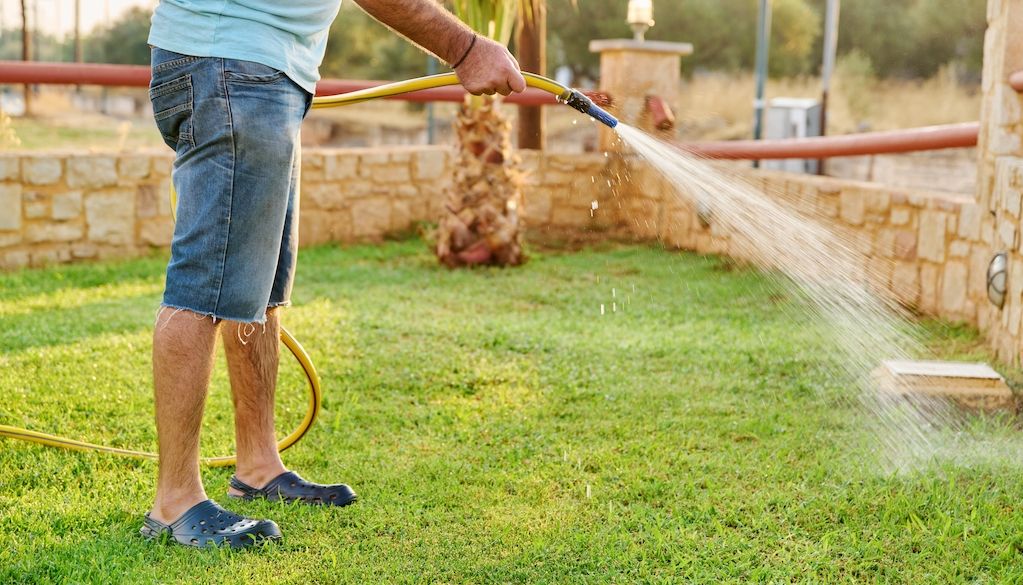
Watering your lawn a day or two before aerating can make the process easier and more effective. Dry soil will be harder to penetrate, and the holes may not be deep enough. Be sure not to overwater or aerate immediately after watering.
Step 2: Get the lawn ready for aeration.

Before you start aerating, clear any debris like sticks or rocks. Rake up leaves. Note the locations of any underground utilities or sprinkler heads so you don’t damage them.
Step 3: Dethatch your lawn.

If you have excessive thatch buildup, use a rake or dethatcher machine to remove it. Pick up the debris, and then you can start aerating.
Step 4: Aerate your lawn.

There are several types of aeration machines, so choose the one that best suits your grass and soil. A spike aerator pokes holes using pointed spikes. A plug aerator, also called a core aerator, removes plugs of soil from the lawn with hollow tines. Your local home improvement store will likely have these options available. You might want to use a gas-powered plug aerator if you have a large lawn.
Use the aerator to make small holes in the soil, alternating directions with each pass. Be sure to make the holes at least 2 to 3 inches deep. The goal is to break up the soil enough that oxygen, water, and nutrients can reach your grass roots. The more holes you make in the soil, the more aerated it will be.
Step 5: Fertilize, overseed, and water.

This step is optional, but highly recommended. After aerating, fertilization and overseeding are much more effective. The holes in your lawn make it easier for seeds and fertilizer to reach your soil.
After fertilizing and overseeding, water the lawn to drive the seeds and fertilizer into the holes.
Lawn aeration tips to remember.
There’s more to aeration than simply loosening the soil. Here are a few tips for the most effective process:
- Check the soil moisture: Lawn tools work best on moist soil, and you may need to water the lawn.
- Make a few passes: Going over the lawn once may not be enough. Aerate the entire lawn at least two or more times in different directions.
- Time aeration with other lawn care tasks: Seeding and fertilizing are more effective with a freshly aerated lawn. Try to do these tasks at the same time.
Hire a lawn aeration service on Thumbtack.
Aerating the lawn can be a time-consuming and labor-intensive process. Although you can do it yourself, hiring a pro ensures it gets done right the first time.
Thumbtack is the best way to find a top-rated lawn care service near you. Download the Thumbtack app today to get a free estimate for lawn aeration.
FAQs
Should I pick up the plugs after aerating?
Leave plugs on the lawn after aerating. The organic materials in the plugs will feed your soil as they break down. If you do rake up the plugs, consider composting them instead of discarding them.
How soon after aeration should I seed?
After aeration, the holes left behind make it easier for seeds to get into the soil. It’s best to overseed immediately after aeration or at least within a few days.
Should I fertilize my lawn before or after aerating?
Apply fertilizer after you aerate your lawn. The holes allow the fertilizer to penetrate the soil more easily. Be sure to water after fertilizing to help work the fertilizer into the soil.
Should you water right after aerating?
Watering the lawn after aeration can help break down plugs. If you overseed and fertilize after aeration, watering will also help drive the seeds and fertilizer into the soil.
Can you walk on the lawn after aeration?
Avoid walking on newly aerated soil for a few days, when freshly aerated soil is easier to compact.
A note about project costs included or linked in this article: Figures represent national average cost estimates using data provided by Thumbtack pros and additional research. These figures are provided for educational purposes only and are subject to change at any time due to various factors. Details about your specific project and local rates can impact costs.
How it works.

Search.
Browse profiles, see prices and use filters to find pros who match your project.

Chat.
Contact the pros you like to discuss project details.

Hire.
Check pro availability and book appointments right in the app.
Find local pros for your project
Tell us what you're looking for and we'll show you pros right for the job, with prices.