Installing vinyl floors? Here's what you need to know
By Gina-Marie Cheeseman•Last updated Oct 20, 2021
Last updated Oct 20, 2021
Table of Contents
- What is vinyl flooring?
- Advantages of vinyl flooring
- Disadvantages of vinyl flooring
- Where to install vinyl flooring
- Types of vinyl flooring
- Is vinyl flooring better than laminate?
- How much do vinyl floors cost?
- How long does vinyl flooring last?
- What to expect when installing vinyl floors
- DIY vs. hiring a pro
- Use Thumbtack to find a flooring pro
Find local pros for your project
Search for pros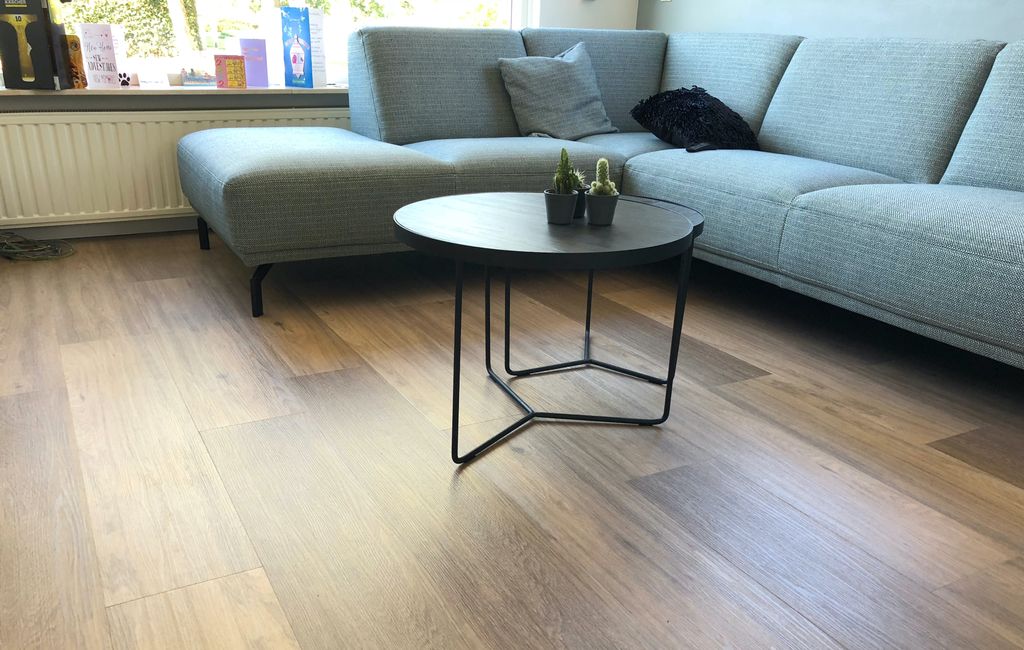
Thinking about replacing your flooring without spending a fortune? Consider choosing vinyl.
Waterproof, durable and affordable, vinyl flooring is a great choice if you need new flooring in your bathroom, laundry room and other areas in your home.
Here’s everything you need to know about installing this popular flooring material.
What is vinyl flooring?
Vinyl flooring is made from synthetic materials, with PVC as its main ingredient. Although it’s often confused with other flooring types, such as laminate or linoleum, vinyl doesn’t contain the wood byproducts found in laminate or the all-natural materials used in linoleum. Instead, it’s made up of several layers of different materials bonded together.
Advantages of vinyl flooring
Vinyl flooring has many benefits, including durability, pet-friendliness, and water resistance. Its layered construction and thick core make it long-lasting, and it holds up well in humid climates.
Vinyl also has other advantages. It has a softer feel than many other flooring types and is comfortable to walk on. It’s budget-friendly, easy to install, low-maintenance, and available in a wide range of designs and colors. You can even find vinyl flooring that mimics wood, tile, and other materials. One of its biggest advantages is that it can be installed over a subfloor.
| Vinyl flooring pros | Vinyl flooring cons |
|---|---|
| Waterproof | Difficult to repair or remove |
| Affordable | Can be harmful to the environment |
| Pet-friendly | Can appear “fake” or look cheap |
| Durable | Some applications can be difficult to install |
| Comfortable to walk on | Low-quality vinyl can discolor and fade |
| Available in colors and designs |
Disadvantages of vinyl flooring
Vinyl flooring also has drawbacks. For one, the manufacturing process uses toxic chemicals that may release volatile organic compounds (VOCs) after installation. According to the American Lung Association, some VOCs can cause cancer. Another downside is that some vinyl flooring can look fake up close.
Other disadvantages include vinyl’s slightly soft feel, which makes it more vulnerable to cuts from objects such as knives or meat cleavers. Although vinyl is very durable, it can be hard to repair if punctured or scratched. And while it’s easy to install, it can be hard to remove because its adhesive backing hardens to the floorboards.
Where to install vinyl flooring
Vinyl flooring is a great choice for bathrooms. While carpet retains moisture and is prone to mold when wet, vinyl is completely waterproof, making it ideal for wet spaces like the bathroom. Vinyl is also a great choice for high-traffic rooms, such as living rooms and kitchens, because of its durability.
| Room or area | Can you install vinyl flooring? |
|---|---|
| Bathroom | Yes |
| Basement | Yes |
| Bedroom | Yes |
| Children’s area or playroom | Yes |
| Garage | Yes |
| Kitchen | Yes |
| Laundry room | Yes |
| Living room | Yes |
| Mudroom | Yes |
Vinyl flooring also works well in bedrooms. If you’re deciding what flooring to put in your child’s bedroom, consider vinyl. Its durability means it can hold up well against dropped toys or books. With so many styles and colors to choose from, vinyl flooring can also work well in your primary bedroom.
Types of vinyl flooring
Choosing the best vinyl flooring for your home can be difficult because you have several options, including vinyl plank flooring, sheet vinyl flooring, and vinyl tile flooring. Each has its own advantages and disadvantages.
| Vinyl planks | Vinyl sheets | Vinyl tiles | |
|---|---|---|---|
| Installation | DIY-friendly | Pro recommended | DIY-friendly |
| Cost | $2-$7 per sq. ft. | $2-$6 per sq. ft. | $1.50-$5 per sq. ft. |
| Water-resistance | More waterproof | More waterproof | Less waterproof |
| Appearance | Natural looking | Can appear fake | Natural looking |
Vinyl plank flooring
Vinyl plank flooring mimics the look of hardwood floors. It’s made in long planks with a tongue-and-groove connection called a click-lock system, which makes installation easier. There are different price points, with luxury vinyl plank flooring (LVP) on the high end. LVP’s biggest advantage is its ability to mimic the appearance of real wood.
Sheet vinyl flooring
Sheet vinyl flooring is a roll of flooring that measures up to 12 inches wide. It’s not as easy to install as vinyl plank flooring, so professional help is highly recommended. Vinyl sheets are also great for high-traffic areas, and because they have fewer seams, they’re more water-resistant than vinyl tiles, which have seams between the tiles that water can seep into.
Vinyl tile flooring
Manufactured to resemble stone or ceramic tiles, vinyl tiles come in an array of sizes and colors that can be arranged in a variety of patterns. The possibilities are numerous. Grout can be added to resemble the look of stone or ceramic tiles. Luxury vinyl tile (LVT) is a type of vinyl tile that’s thicker than standard vinyl. The added material gives it a realistic stone or ceramic look.
Is vinyl flooring better than laminate?
Stuck deciding whether you should opt for vinyl vs. laminate flooring? Keep in mind that the biggest difference between the two is water resistance. Vinyl flooring is waterproof; laminate is not.
With most vinyl flooring made of 100% polymer materials, it can withstand water. Meanwhile, laminate can soften and swell after being exposed to water. That makes it a poor choice for rooms with water exposure, such as bathrooms, kitchens, and laundry rooms. Vinyl is often a much better choice in these rooms, and laminate can work well in bedrooms and living rooms.
How much do vinyl floors cost?
While the average cost of vinyl flooring installation is $2,000, the low-end cost is $1,000 and the high-end cost is $4,500. The average installation cost per square foot is $3 to $7. However, the cost of installation is affected by several factors, including the condition of your subfloor, your room’s size, and the type of vinyl flooring you choose. Standard vinyl flooring costs less than luxury vinyl flooring (LVT and LVP).
How long does vinyl flooring last?
Vinyl flooring can last up to 25 years if it’s maintained and cared for properly, according to the International Association of Certified Home Inspectors. Although all vinyl flooring is water-resistant, it’s important to clean up spills as soon as they happen to prevent stains.
Clean the floor daily or once a week by sweeping or vacuuming to remove dust, hair, dirt, and fur. Then use a soft mop with a cleaning solution. Don’t use wax polishes on vinyl floors, since they leave a film.
What to expect when installing vinyl floors
Vinyl flooring installation usually takes about one to two days to complete. However, vinyl planks and tiles may need a few days to acclimate to your home’s humidity and temperature. This can help prevent the flooring from expanding and contracting after installation.
Also, make sure your subfloor is prepared for installation. The process can vary depending on the type of subfloor. Concrete is generally easy to prepare for vinyl flooring installation and is one of the most common subfloor types.
The installation process varies depending on the type of vinyl flooring you choose. Contact a professional to learn more about what you can expect when they install your new floors.
DIY vs. hiring a pro
You can take the DIY route when installing vinyl floors, especially vinyl plank and tile flooring. However, vinyl sheet flooring installation is best left to a professional because it’s more complex.
Although hiring a professional will likely cost extra, some benefits outweigh the cost. When you hire a pro, you have the assurance that the installation will be done correctly. Your pro will do all the work for you, including removing your current flooring, preparing the subfloor, and cleaning up after installation. It’s the best way to help ensure you won’t have to fix costly installation mistakes later.
Use Thumbtack to find a flooring pro
Ready to give your home a new look with vinyl floors? Start contacting vinyl flooring professionals on Thumbtack for price quotes today.
How it works.

Search.
Browse profiles, see prices and use filters to find pros who match your project.

Chat.
Contact the pros you like to discuss project details.

Hire.
Check pro availability and book appointments right in the app.
Find local pros for your project
Tell us what you're looking for and we'll show you pros right for the job, with prices.