Why is there water in the bottom of my dishwasher when it's not in use?
By Alyssa Chua•Last updated Aug 29, 2023
Last updated Aug 29, 2023
Table of Contents
- Step 1: Turn off the power and water supply
- Step 2: Remove the standing water
- Step 3: Clean your dishwasher's filter
- Step 4: Check the drain hose
- Step 5: Check the drain plug in your garbage disposal
- Step 6: Unclog your garbage disposal
- Step 7: Remove clogs from the air gap cylinder
- Step 8: Call a professional for motor, valve, or pump issues
- Tips to prevent standing water in your dishwasher
- Find pros who can fix your dishwasher
Find local pros for your project
Search for pros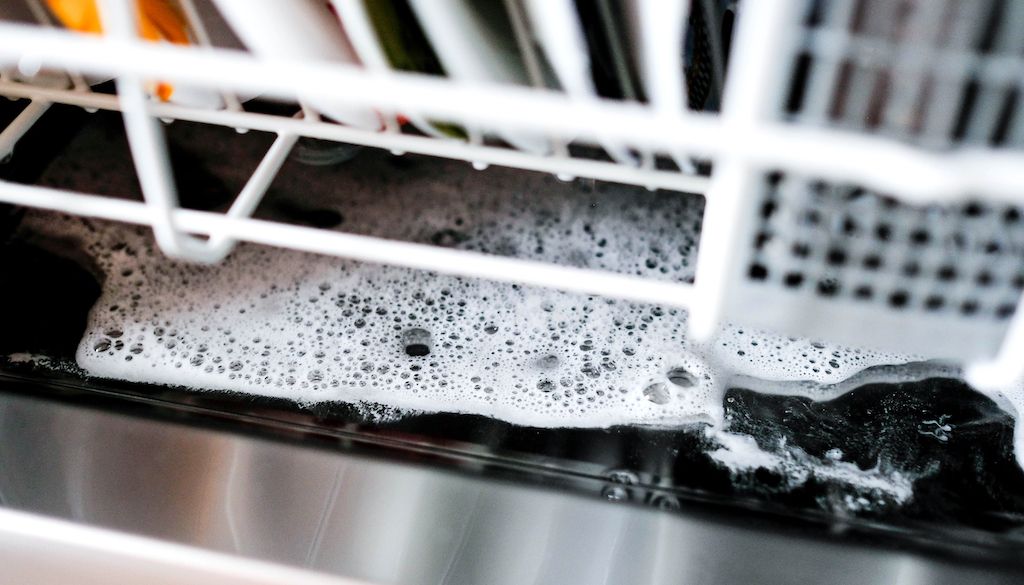
Do you hear water swirling around at the bottom of your dishwasher even when you're not using it? There could be standing water in your dishwasher. But how did it get there, and how do you prevent it from happening again?
Explore our guide to find solutions and tips on removing standing water from your dishwasher.
Step 1: Turn off the power and water supply
Before you start troubleshooting your dishwasher, always turn off the power. You may also want to turn off the water supply temporarily to avoid accidents.
Step 2: Remove the standing water
Next, get rid of all that murky standing water. Grab some gloves, a bucket, a plastic cup, and old towels. Put towels on the floor under and around your dishwasher. Scoop out the water with the plastic cup and empty it into the sink or bucket until it's all gone.
Step 3: Clean your dishwasher's filter
Sometimes, your dishwasher doesn’t drain because of a clog or obstruction in the dishwasher filter. It's normal for a small amount of water to remain in your dishwasher. However, an excessive amount after a wash cycle is likely due to a clog.
Follow these instructions for cleaning the filter. In the future, add this cleaning step to your deep cleaning routine.
Step 4: Check the drain hose
Make sure the power is off, and disconnect the drain hose from your dishwasher. You can usually find the hose behind your dishwasher and/or under your kitchen sink. Check for kinks and blockages within the hose. You can manually remove the obstructions and straighten the kinks.
Also, double-check that you installed the drain hose properly. If you’ve done any repairs or recently moved into a new home, the drain hose may not have been installed correctly. Drain hoses can malfunction and prevent the pump from draining correctly. They also have a built-in check valve for one-way flow that could have been installed backward accidentally.
Step 5: Check the drain plug in your garbage disposal
Dishwashers typically drain into your garbage disposal, if you have one. Sometimes, the drain plug is still present, but it should be removed. This plug prevents water from draining from your dishwasher and should be removed once your appliance is hooked up to your garbage disposal. Follow these steps:
- Unplug the garbage disposal.
- Disconnect the hose linking the air gap drain to it.
- Tap the knockout plug out of place with a hammer and screwdriver. The water should flow freely through the tubing.
- Reconnect the loose plug.
- Plug the power supply back in.
Step 6: Unclog your garbage disposal
A clogged garbage disposal may also cause standing water in your dishwasher. Food scraps stuck in your dishes can clog the chute that leads to your garbage disposal. To fix the problem, read our guide on how to clean your garbage disposal. After you clean it, run the disposal and a test cycle in your dishwasher.
If all else fails, hire a pro to help you drain your clogged garbage disposal. This problem may require you to remove the drain and other pipes.
Step 7: Remove clogs from the air gap cylinder
Some dishwashers need an air gap to function properly. The air gap is cylindrical and connects the sink drain to the dishwasher.
It stops water from flowing out during a wash. It also keeps dirty water from entering your dishwasher. A clog or leak in your dishwasher's air gap cylinder could also prevent water from draining from your dishwasher.
Remove the cover from your dishwasher air gap, and remove food particles that may be stuck along the tubing. You can use a long-handled brush.
If that doesn’t work, place a paper towel tube over the opening. Blow into it to remove the debris.
Step 8: Call a professional for motor, valve, or pump issues
Did you try everything to get your dishwasher running smoothly and draining water properly, but it still doesn’t work? It may be because of another problem.
Your dishwasher could have a broken drain motor or a malfunctioning drain pump. You could also have burned out electrical components, as indicated by a stuck drain valve bracket.
If you suspect these are the causes, it’s best to hire an appliance repair professional instead of trying to troubleshoot these issues on your own.
Tips to prevent standing water in your dishwasher
If you rely on your dishwasher a lot, you'll want to make sure it's always clean and regularly maintained so it properly drains. There are various ways to do that, such as:
- Remove leftover food from your dishes before loading them into the dishwasher. A few crumbs may be fine, but they could turn into larger food particles when they build up.
- Choose a hot water cycle when you run the dishwasher. Hot water cleans your plates better and breaks down grease on your dishes. Too much grease could result in a clogged dishwasher filter or garbage disposal drain hose.
- Check and clean the dishwasher filter regularly. When food particles and other dirt accumulate, it could result in a clogged filter, which could result in standing water.
- Run your dishwasher often. Running it regularly keeps it well-maintained and working properly.
- Always use dishwasher detergent. Most dishwashers require a specific type of detergent. Consult your owner’s manual before buying detergent for your dishwasher, as other types of soap may result in excessive suds and poor wash performance.
- Clean the exterior and interior of your dishwasher regularly. Keeping your dishwasher clean inside and out a few times every year will help your dishwasher last a long time.
Find pros who can fix your dishwasher
Sometimes, despite all the troubleshooting you do, your dishwasher still won’t drain properly. When that happens, it’s best to call a professional who knows how to deal with dishwashers and other appliances. They’ll do a better job diagnosing and repairing what needs fixing in your dishwasher.
Download the Thumbtack app and hire a dishwasher repair professional to help you fix your dishwasher.
How it works.

Search.
Browse profiles, see prices and use filters to find pros who match your project.

Chat.
Contact the pros you like to discuss project details.

Hire.
Check pro availability and book appointments right in the app.
Find local pros for your project
Tell us what you're looking for and we'll show you pros right for the job, with prices.