How to troubleshoot and fix a diswasher
By Evan Crowther•Last updated Aug 31, 2023
Last updated Aug 31, 2023
Table of Contents
- How to fix a leaking dishwasher
- How to fix dishwasher clogs and draining issues
- How to fix a dishwasher that's not drying dishes
- How to fix a dishwasher that's not cleaning
- How to fix a smelly dishwasher
- When to repair vs. replace your dishwasher
- How much do dishwasher repairs cost?
- Who to call for dishwasher repairs
- FAQs
Find local pros for your project
Search for pros
Dishwashers take a lot of the hard work out of cleaning up the kitchen. But many things can go wrong — bad smells, blocked drains, leaks, and more.
In this dishwasher troubleshooting guide, we’ll explore some of the most common issues and how to repair them.
How to fix a leaking dishwasher
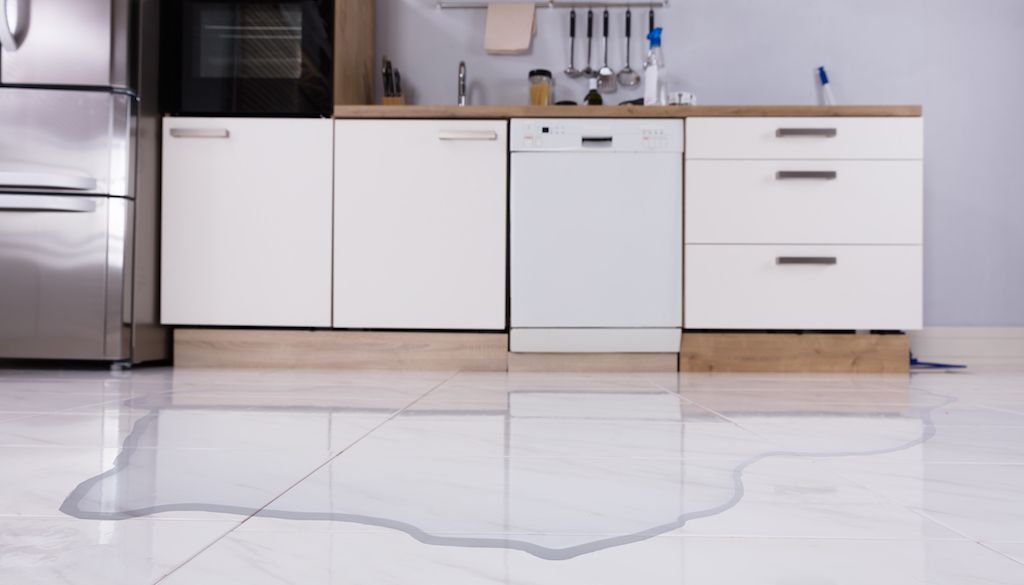
A leaking dishwasher can do more than make a mess. A large enough leak can lead to water damage, mold, and mildew.
Before you hire a pro to take a look at your leaky dishwasher, there are a few simple fixes you can try yourself:
Inspect the door
One of the most common dishwasher problems that can cause a leak is an issue with the door. First, make sure none of the dishes or cutlery are blocking the door. This can create a gap in the seal and let water spill out.
If you don’t notice any obstructions in the dishwasher door, disconnect the power to the dishwasher and try the following:
- Look over the door latch, generally at the top of the door in the middle.
- Open the door and check the latch for bends or cracks that could stop it from closing properly.
- Tighten the hardware and try to straighten the latch. If the latch is completely broken, it’s time to replace it.
- Check the rubber gasket for wear or tearing, which can also affect the seal.
- Tighten all the hardware on the door with a screwdriver.
Make sure the dishwasher is level
In some cases, dishwashers may leak because they’re not level. Vibrations from wash cycles and people bumping into the appliance can knock it out of alignment. If it becomes crooked enough, it can cause water to leak out.
Follow these steps to level your dishwasher:
- Place a bubble level against the top of the front opening.
- Adjust the front legs until it is square with the floor.
Pro tip: Anti-tip brackets can help you avoid having to level your dishwasher.
Check the hose connection
If you don’t find an issue with the door and the dishwasher is level, there is likely a drainage issue or a loose hose connection somewhere. Before attempting any inspection or repair, disconnect the power or turn off the circuit breaker.
If the leak comes from the bottom of your dishwasher, it may simply be a loose connection. Follow these steps to check the water hookup:
- Remove the front bottom panel by loosening the plastic fasteners.
- Locate the hose that runs your water supply into the dishwasher.
- Make sure this hose connection is completely tightened.
If none of these steps fix the leak in your dishwasher, it may be time to call a dishwasher repair technician.
How to fix dishwasher clogs and draining issues
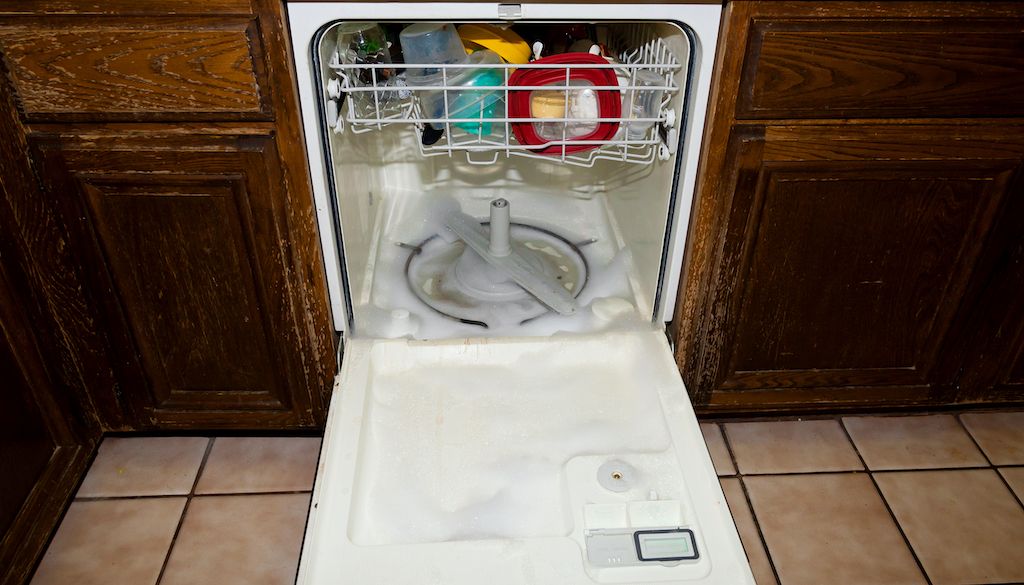
If you notice standing water in your dishwasher, there are a few ways you may be able to fix the clog yourself without any tools. Try these steps to drain the dishwasher:
- Find the dishwasher filter near the spray arms, usually at the bottom of the tub.
- Remove the upper filter with a quarter turn counter-clockwise.
- Remove the lower filter by lifting it out.
- Rinse both filters in the sink and soak them in warm water to loosen stubborn debris.
- Reinstall both filters and run a cycle to see if the tub drains.
- If the filters don’t fix the drainage issue, check the dishwasher drain hose for correct positioning.
If your dishwasher still won’t drain, the issue is likely more complex. Check out these troubleshooting tips to fix a dishwasher that won't drain. When in doubt, hire a pro to diagnose and repair your dishwasher.
How to fix a dishwasher that's not drying dishes
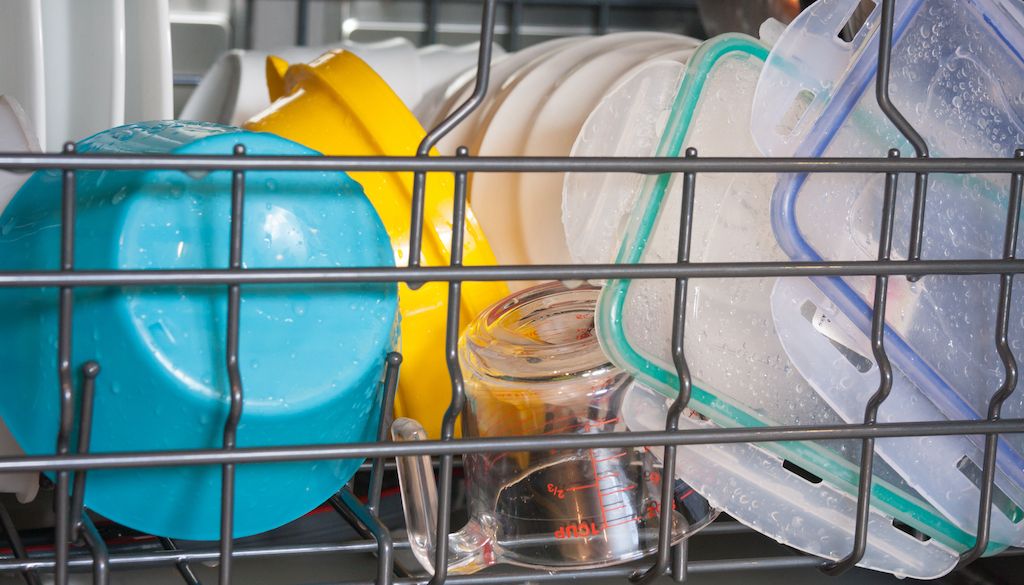
- Don’t overcrowd the dishes in the dishwasher racks.
- Make sure you have the “heated drying” cycle selected.
- Check to see if steam can escape from your dishwasher’s vent.
- Inspect the heating element for burns or damage (this component is typically a metal ring around the bottom of the tub).
If you can’t figure out why your dishwasher won’t dry dishes, call an appliance repair pro who can help diagnose the issue.
How to fix a dishwasher that's not cleaning

Your dishwasher uses pressurized hot water and detergent to clean your dishes. Several issues could cause your dishes to come out still dirty.
You won’t need any tools for these fixes, except possibly a washcloth:
- Load the dishwasher properly, leaving enough space for the spray arms to direct water at all the dirty surfaces.
- Use pre-measured pods instead of powder or liquid detergent to help prevent soap scum.
- Make sure to run a heavy enough cycle to remove food particles.
- Check the inlet valve, usually on the inner left side of the dishwasher, for blockages.
- Wipe away any buildup around the inlet valve.
- Clean the filter if you haven’t already.
If your dishes still aren’t coming out clean after these steps, a repair technician will be able to identify the problem.
How to fix a smelly dishwasher
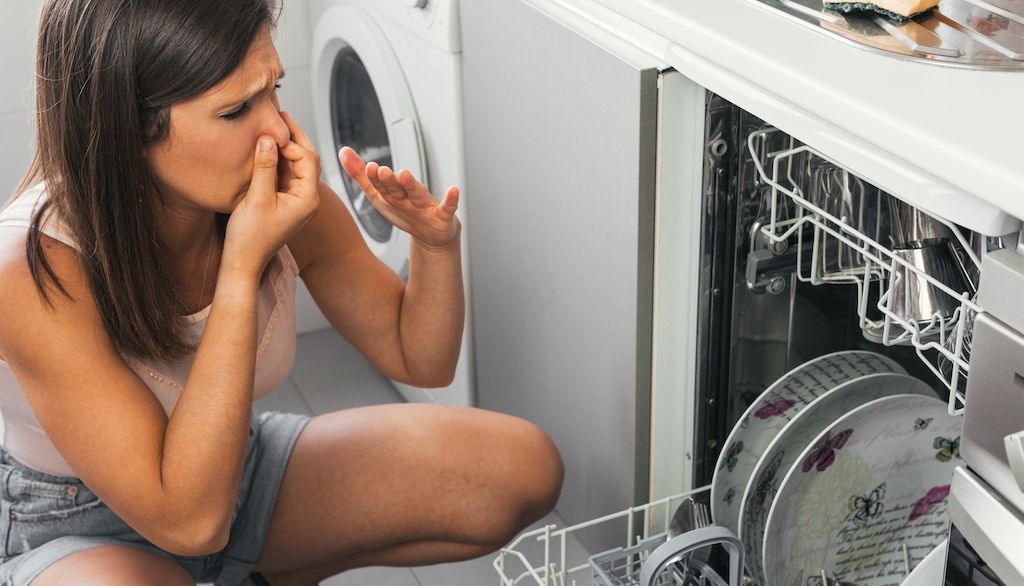
If you’ve noticed an unpleasant odor coming from your dishwasher, it’s time for a deep clean. You’ll need a small scrub brush, baking soda, vinegar, thin metal wire (paper clip, wire hanger, etc.), and a sponge.
Follow these steps to remove odors from a dishwasher:
- Pull out the dishwasher filter and deep clean it.
- Scrub the spray arms with a scrub brush dipped in vinegar.
- Use the metal wire to remove food particles blocking the holes in the spray arms.
- Run a wash cycle with a cup of vinegar placed in the top rack.
- Run a second rinse cycle with baking soda sprinkled on the bottom of the tub.
- Wipe down the door seal and exterior with a sponge dipped in vinegar.
When to repair vs. replace your dishwasher
DIY troubleshooting can help handy homeowners save money on dishwasher repair costs. However, in some cases, buying a replacement can be the most cost-effective strategy.

Keep these factors in mind when deciding whether to repair or replace your dishwasher:
Age of the dishwasher
Dishwashers have an average life expectancy of 9 years. If your dishwasher is near or past that number, it may be time to consider a replacement.
Water and energy bills
Want to cut back on energy and water usage? Consider replacing your dryer with a more efficient model. For example, search for a dishwasher that ENERGY STAR has certified. According to ENERGY STAR, "a standard-sized ENERGY STAR certified dishwasher costs about $55 per year to run and can save you about 3,850 gallons of water over its lifetime."
Service fees and repair frequency
Small repairs may not seem like a big expense individually. However, if your dishwasher constantly needs repairs, those expenses can add up. If the cost is nearing the price of a new dishwasher, replacement may be the right choice.
How much do dishwasher repairs cost?
The average cost of dishwasher repair varies depending on several factors. These include:
- Type of repair: Some repairs are more complex, and more expensive, than others. A simple gasket replacement will often cost less than a complicated electronic or plumbing repair.
- Parts: Some parts are more expensive themselves as well. Mechanical parts like motors will cost more than a valve or hardware.
- Labor: The labor cost in your area will affect the total repair cost. Some repair professionals may charge a service fee in addition to the repair costs.
Who to call for dishwasher repairs
A dishwasher repair technician is the most qualified professional to perform repairs. Download the Thumbtack app today to start getting free quotes for your project.
FAQs
Do plumbers fix dishwashers?
For dishwasher problems resulting from drainage or hose issues, a plumber will be able to help. However, an appliance repair technician is well-equipped to diagnose other electric or mechanical issues with your dishwasher.
How long will a dishwasher last?
Dishwashers last roughly 9 years. However, your dishwasher's lifespan ultimately depends on how well you take care of it.
A note about project costs included or linked in this article: Figures represent national average cost estimates using data provided by Thumbtack pros and additional research. These figures are provided for educational purposes only and are subject to change at any time due to various factors. Details about your specific project and local rates can impact costs.
How it works.

Search.
Browse profiles, see prices and use filters to find pros who match your project.

Chat.
Contact the pros you like to discuss project details.

Hire.
Check pro availability and book appointments right in the app.
Find local pros for your project
Tell us what you're looking for and we'll show you pros right for the job, with prices.