





Find local pros for your project
Tell us what you’re looking for and we’ll show you pros right for the job, with prices.
Updated
By Jordana Weiss and Alyssa Chua
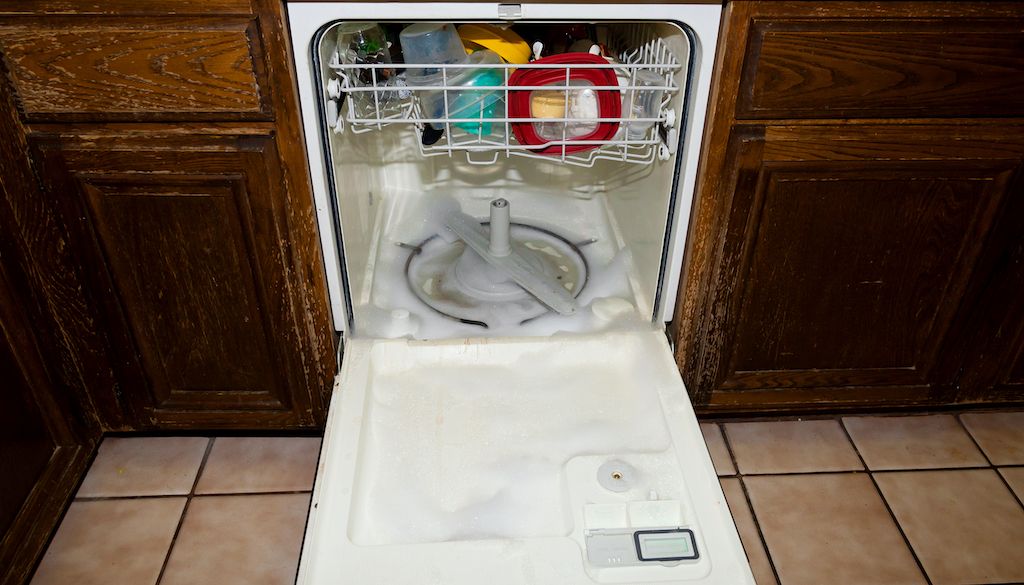
If you see water at the bottom of your dishwasher (or if it's draining too slowly), it needs to be fixed. Fortunately, there are several dishwasher repairs you can try.
Here's a look at several reasons why your dishwasher isn't draining normally — and how to troubleshoot this problem.
Sometimes, preventing standing water in a dishwasher is as simple as loading it differently. If you put too many dishes in a way that blocks the spray arms, it can lead standing water and draining problems.
How to fix: Look at your owner’s manual, and only load the recommended number of dishes. Position the dishes to face downward and toward the center. Make sure nothing is blocking the spray arms before running another cycle.
One of the most common causes of standing water is an issue with the filter. Depending on your dishwasher's make and model, this may be a quick fix.
How to fix: Empty or rinse out the filter. It's usually located in the bottom or back corner of your machine. Check for large food particles or other materials that could block your machine from draining. Then, restore the filter.
Related: How to clean your dishwasher’s filter.
The drain hose carries used water out of the machine and into your garbage disposal or kitchen sink. If it’s blocked, kinked, or improperly connected, clogs can occur.
How to fix: There are many DIY-friendly ways to clean and unclog your drain hose. For example, you can disconnect the hose and manually remove clogs and kinks. But if that doesn't work, contact an appliance repair professional.
The air gap in a sink is essential to the smooth running of your dishwasher. This space allows air to flow into your dishwasher, creating a vacuum that pulls water in and pushes it out. If there’s a clog in the air gap, it becomes difficult to create a good vacuum seal. The absence of an effective seal will prevent water from draining from your dishwasher.
How to fix: It’s easy enough to do this yourself. Look into the air gap, and visually (and manually) inspect it for debris and buildup.
If you have an in-sink garbage disposal, the water in your dishwasher may be routed to drain through there. So if the garbage disposal is full or blocked, this can make the dishwasher drain water slower than normal.
How to fix: Empty your disposal thoroughly each time before running the dishwasher. If your garbage disposal is clogged, you can try implementing these cleaning tips.
If cleaning or running the disposal doesn't work, contact a plumber or repair professional to unclog it.
Like the air gap, the drain pump is essential for moving used water from the dishwasher and into the sink or garbage disposal. If the drain pump is broken or there’s an internal blockage, water won’t move out of your dishwasher. Sometimes, broken glass or debris can cause this issue.
How to fix: Check the drain pump during your troubleshooting to ensure nothing stops this part from working as expected.
There's a myriad of issues that can cause improper drainage in your dishwasher. But there are just as many ways to prevent this from happening.
Here are our best tips for maintenance and other troubleshooting strategies that can keep your dishwasher working efficiently:
You don’t need to clean dishes thoroughly before the dishwasher goes to work. However, you should remove large chunks of food debris.
When debris falls off the dishes mid-cycle, it can clog the filter. It can even make its way into other parts, like the drain line or drain pump, causing a blockage.
A dishwasher filter is an essential part of the machine and needs to be cleared out periodically. To ensure proper draining, check your filter regularly, and rinse or scrape away excess debris.
If you’ve just cleared your filter and noticed that water is still draining slowly, your filter may need to be replaced entirely.
Sometimes, your dishwasher's drain gets blocked with a layer of caked-on grime. While getting on your knees and scrubbing can be tempting, baking soda and vinegar can be much more efficient.
Measure out equal parts vinegar and baking soda. Then, pour the solution into the dishwasher's bottom drain. Let it sit for 15 minutes. Then, pour hot water over it before running a rinse cycle.
Related: How to clean a dishwasher in 10 easy steps.
Buildup on the air gap may not look like much. But as it grows, it can prevent your dishwasher from working as it should. You can manage this by cleaning your air gap regularly and wiping it down to remove grime and buildup.
If you’re low on dishwasher detergent, reaching for another type of soap to supplement may be tempting. However, it’s important to never put anything except liquid or pods made intentionally for dishwasher use into your appliance. Improper soaps can cause additional build-up and put unnecessary strain on your appliance.
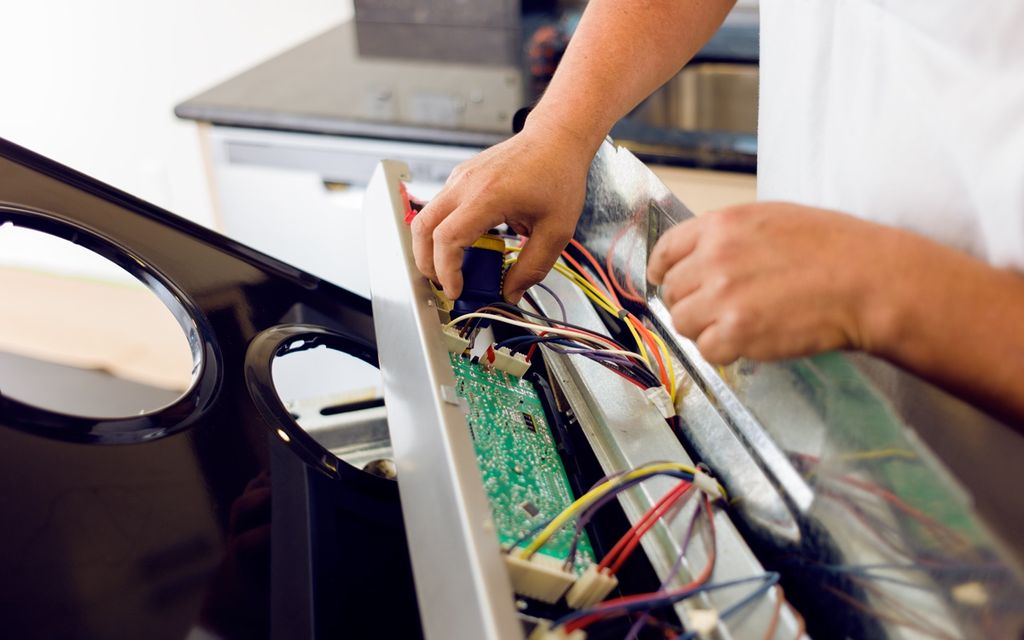
So you’ve worked through our list of troubleshooting tips and still can’t figure out why your dishwasher won't drain? In this case, it may be time to call in the pros. You should never open the bottom of your dishwasher on your own. Not only can it damage the dishwasher itself, but it can easily cause catastrophic water damage to the surrounding area.
An appliance repair professional has the tools and experience to tackle this job. Download the Thumbtack app, and start searching for dishwasher repair services in your area today.
Tell us what you’re looking for and we’ll show you pros right for the job, with prices.