



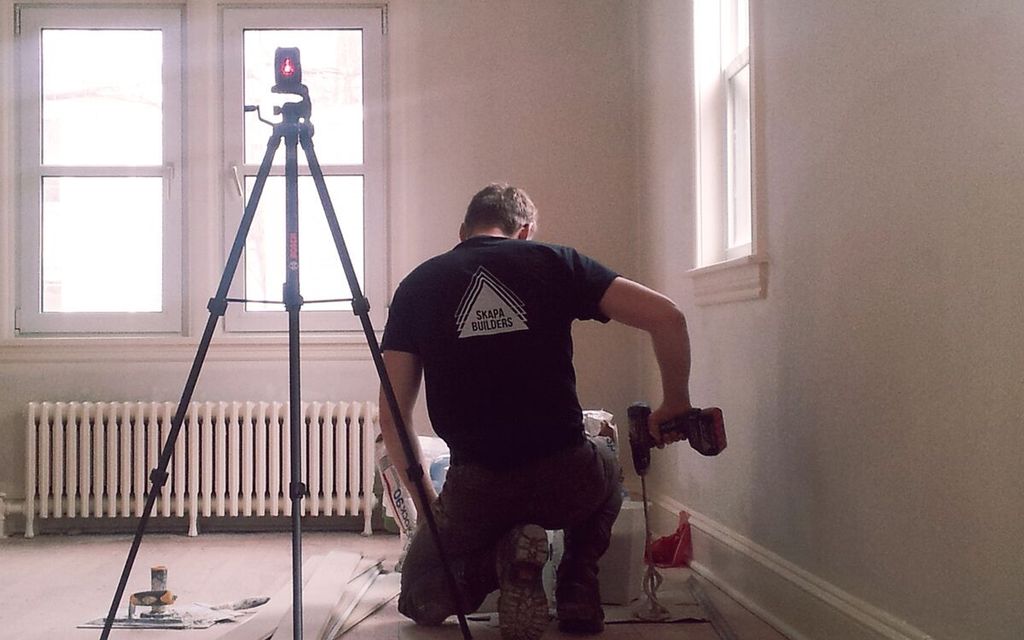
What do custom carpenters do?
Custom carpenters design, build, and install made-to-order wood features tailored to a home or business. Their work often includes custom cabinets, built-in shelving, closets, trim, doors, staircases, and specialty woodwork. They focus on precise measurements, quality materials, and craftsmanship to match a client’s style and space.
Because their work is customized, a skilled carpenter can often help solve unique layout challenges and create one-of-a-kind pieces that fit seamlessly into your home.
What might impact the cost of hiring custom carpenters?
Factors that might impact the cost of this project, include:
Project scope and complexity. A simple set of floating shelves will naturally cost less than intricate, built-in cabinetry with custom details. The larger and more detailed the project, the more it can cost.
Materials and finishes. The type of wood you choose — from common pine to high-end walnut — plays a big role in the final price. The cost of hardware, stains, and paints will also be factored in.
Labor and expertise. A carpenter's hourly rate often reflects their level of experience and skill. The total time needed for design, construction, and installation is a primary cost driver.
Custom design work. If you need the carpenter to create a unique design from scratch versus working from existing plans, you can expect the cost to be higher to account for that creative time.
Site conditions. The difficulty of the installation can affect the price. For example, working in a tight space or on uneven walls may require more time and effort from the carpenter.
What should I ask custom carpenters before hiring?
Before hiring custom carpenters, be sure to ask your pro these questions:
Can I see a portfolio of your previous work, especially projects similar to mine?
What's your design process like, and how will we collaborate on the plans?
What materials do you recommend for my project, and what are the pros and cons?
Can you provide a detailed, itemized quote that breaks down labor and material costs?
What's the estimated timeline, and what are the key milestones from start to finish?
How do you handle installation, and what do I need to do to prepare my space?
Are you licensed and insured?
How should I prepare for my carpentry project?
Before your pro arrives to start your custom carpentry project, take these steps:
Step 1: Clear the work area. Remove any furniture, decorations, or personal items from the space where the carpenter will be working to protect your belongings and provide a clean slate.
Step 2: Secure pets and keep children away. For their safety, make sure pets and kids are in a separate part of the house, as the work area will have tools and dust that can be hazardous.
Step 3: Review the final details. Have your plans or drawings ready to go over one last time. This ensures you and your carpenter are perfectly aligned before the work begins.
Step 4: Provide clear access. Make sure there’s an easy path from the entrance to the work area for carrying in tools and materials, and discuss where your pro should park.
Step 5: Protect adjacent spaces. Carpentry can create a lot of dust, so close doors to other rooms and consider covering nearby furniture or flooring to make cleanup easier.
What should I expect during my pro’s visit to discuss my project?
During your pro’s visit, you may expect your carpenter to discuss your vision, take detailed measurements of the space, and assess the project's feasibility. They'll likely talk through material options, such as different types of wood and finishes, and they might offer design suggestions to improve the final piece. This visit is also your chance to ask questions about their process and what to expect for a timeline. Afterward, the pro will typically follow up with a formal estimate or proposal based on the details you discussed.
How do I hire the best custom carpenter?
Hiring the best custom carpenter involves looking beyond general skills and focusing on craftsmanship, design ability, and project fit.
Review detailed portfolios. Look for custom pieces like built-ins, cabinetry, staircases, or furniture. Pay attention to joinery (e.g., dovetail joints), finishes, and how well pieces fit the space.
Assess design collaboration. Custom carpenters often help design projects — ask if they create drawings, 3D renderings, or shop plans before building.
Check material expertise. A strong carpenter should understand hardwoods vs. softwoods, veneers, and how materials perform in different environments (e.g., kitchens vs. living rooms).
Evaluate finish quality. Ask about staining, painting, or sealing techniques and how they achieve a smooth, durable finish.
Confirm shop vs. on-site work. Some projects are built in a workshop and installed later—clarify their process and timeline.
Ask about custom details. Discuss hardware, edge profiles, trim styles, and any specialty features to ensure they can meet your vision.
Verify credentials. Depending on your location, a custom carpenter may need a general contractor license or a specialty carpentry license, especially for structural or built-in work. Always confirm they carry liability insurance and workers’ compensation.
Choosing a carpenter with the right mix of technical skill and design experience can help ensure a truly custom, high-quality result.