



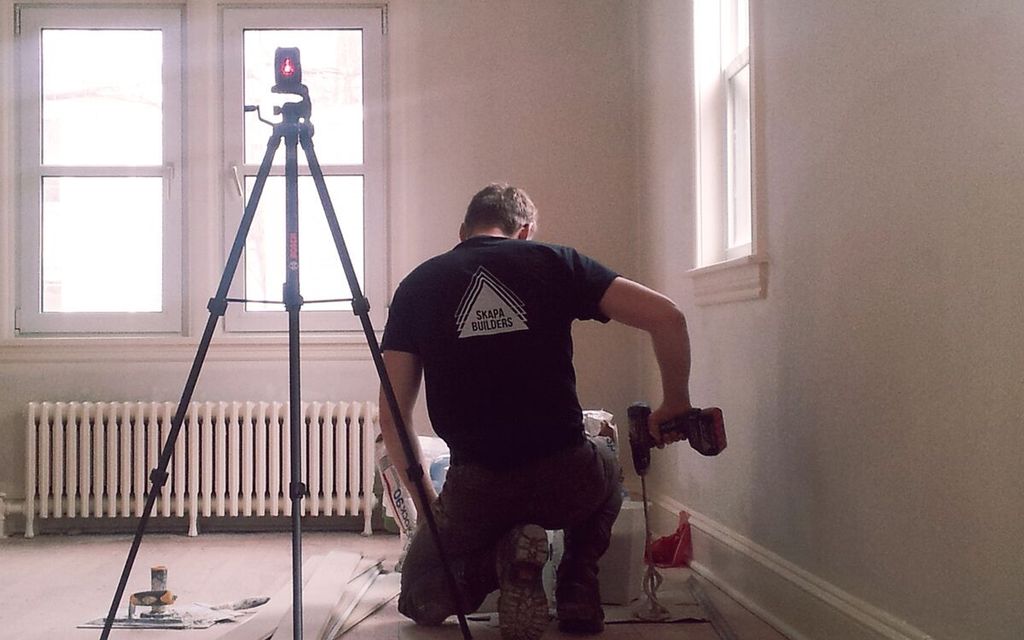
What's the difference between carpentry and woodworking?
Carpentry and woodworking both involve working with wood, but they focus on different types of projects. Carpentry typically involves on-site construction and installation, such as framing, trim, doors, decks, and built-ins. The work is often structural or functional and tied directly to a building. Woodworking usually refers to crafting items in a workshop, like furniture, cabinets, or decorative pieces, with an emphasis on detail and finish.
A pro can help you decide which skill set your project needs, so the work is done correctly and built to last.
What factors can impact the cost of custom woodworking projects?
The cost of your woodworking project may depend on any of the following factors:
Materials: The type and quality of wood you choose can significantly affect the price. For example, common pine is more budget-friendly than a premium hardwood like walnut or cherry.
Size and complexity: A larger piece or a more intricate design with details like carvings, inlays, or complex joints requires more time and skill, which can increase the cost.
Finishing: The process of sanding, staining, painting, and sealing the wood is often labor-intensive. A multi-step, high-gloss finish will typically cost more than a simple oil or wax finish.
Labor and expertise: The woodworker’s skill level and the total time needed to design and build your piece are major components of the cost. Custom work is a craft that requires precision and artistry.
Hardware: The cost of functional and decorative hardware, such as handles, knobs, hinges, and drawer slides, will also be factored into the final price.
How do I choose the best woodworker?
Take these steps to find the right professional for your custom woodwork project:
Get several estimates: A proper estimate should detail costs for materials, labor, and design, along with a project timeline and payment schedule.
Read their reviews: Good reviews often mention great craftsmanship, clear communication, and staying on budget. Red flags include complaints about poor joinery, sloppy finishes, or missed deadlines.
Look at their portfolios: Look for projects similar to yours. Check the details, like the quality of the joints and the smoothness of the finish, to see if their work meets your standards.
Find out if they have warranties: Ask if they offer a workmanship guarantee, which can cover defects in construction. Clarify what’s covered and for how long.
Ask important questions: Before hiring, ask questions like, “What is your design process like?”, “What type of wood and finish do you recommend for my project and why?”, and, “What is the estimated timeline from start to finish?”
How long does custom woodworking take?
Typically, it can take anywhere from a few weeks to several months for a professional to complete a custom woodworking project. There are a few factors that may impact how long it takes. For example:
Project complexity: The complexity of the design, such as intricate carvings or joinery, can add to the timeline.
Size and scale: Larger pieces like built-in bookcases will take longer to build and install than smaller items.
Material sourcing: Sourcing specific or hard-to-find wood may extend the project duration.
Finishing process: The finishing process requires time for multiple coats of stain or paint to dry properly.
The pro’s schedule: A woodworker's current backlog of projects will influence when they can start on your piece.
How can I save money on custom woodwork?
Here are some cost-savings tips for your custom woodworking project:
Choose cost-effective materials. Opting for less expensive woods like pine or poplar over premium hardwoods can lower your material costs significantly. Some finishes can even make these woods mimic a more high-end look.
Simplify your design. Intricate details, curves, and complex joinery require more labor, which drives up the price. A clean, straightforward design is often much more affordable to produce.
Be flexible with the timeline. If your project isn't urgent, a woodworker may offer a better rate to fit it in around their other jobs. Rush orders almost always cost more.
Handle some work yourself. You may be able to save money by doing the final staining, painting, or installation. Be sure to coordinate with your pro to see what makes sense for your project.
Compare quotes from several pros. Getting bids from a few different woodworkers helps you understand the fair market price for your project and find someone whose skills align with your needs.