


Do direct vent fireplaces need maintenance?
Yes, it’s important to have your direct vent fireplace professionally inspected and serviced once a year. This routine check-up helps ensure it’s running safely and efficiently. Regular maintenance can also help you avoid larger, more expensive repairs in the future.
What's the difference between a direct vent and a vented fireplace?
A direct vent fireplace is a sealed unit that pulls air from outside for the fire and vents the exhaust back out. A traditional vented fireplace, on the other hand, uses air from inside your room and sends its exhaust up a chimney. Because they're sealed, direct vent fireplaces are typically more energy-efficient and can be installed in more places.
How do I hire a pro to fix my direct vent fireplace?
Complete these steps before you hire a professional to repair your direct vent fireplace:
Verify their license and insurance: Professionals may need a gas fitter license or a certification from the National Fireplace Institute (NFI). Always confirm they have general liability insurance. Keep in mind that requirements vary by region.
Get several estimates: A proper estimate should be itemized in writing, detailing the costs for labor, specific replacement parts like a thermopile or gas valve, and any diagnostic fees.
Read their reviews: Good signs in reviews include mentions of punctuality, cleanliness, and successfully fixing the issue on the first visit. Red flags are comments about upselling, leaving a mess, or the same problem returning soon after the repair.
Look at their portfolios: Check for photos of completed repairs on direct vent units, not just new installations. Their past work should show they are familiar with a variety of models and can work cleanly.
Find out if they have warranties: Ask if they offer a warranty on their labor and any parts they install. A thirty to ninety-day guarantee on the repair work is a positive sign.
Ask important questions: Before hiring, ask questions like, “Do you have experience with my specific fireplace brand?", “Is the diagnostic fee applied to the final repair cost?”, and, “What is your process for keeping my home clean during the repair?”
What factors impact the cost of direct vent fireplace repair?
The exact price of direct vent fireplace repair depends on things like:
The type of repair needed: A simple fix, like cleaning a pilot light assembly, will naturally cost less than a complex job, such as replacing the main gas valve or fixing a problem with the vent pipe itself.
The cost of parts: Parts for a direct vent fireplace can range from inexpensive items like a thermopile to more significant investments like a new blower motor or a custom-cut glass panel.
Accessibility and labor: If your fireplace unit is built-in or hard to get to, the technician will need more time, which can raise the labor cost. A pro’s experience level can also influence their rates.
Your geographic location: Labor costs for qualified fireplace technicians often vary by region, so where you live can have an impact on the final bill.
The timing of the service call: Expect to pay more for an emergency or after-hours repair than you would for a standard appointment booked during regular business hours.
What are some common problems with direct vent fireplaces?
Some of the most common problems that require repairs include:
Pilot light issues: The pilot light might refuse to light or won't stay lit. This is often caused by a dirty sensor, a draft, or a problem with the gas valve.
Faulty thermopile or thermocouple: These small but essential parts generate the power to keep the gas valve open. When they fail, the fireplace won’t stay on.
Soot or film on the glass: Since these fireplaces are sealed, a white film or black soot can build up on the inside of the glass, which requires special cleaning to remove.
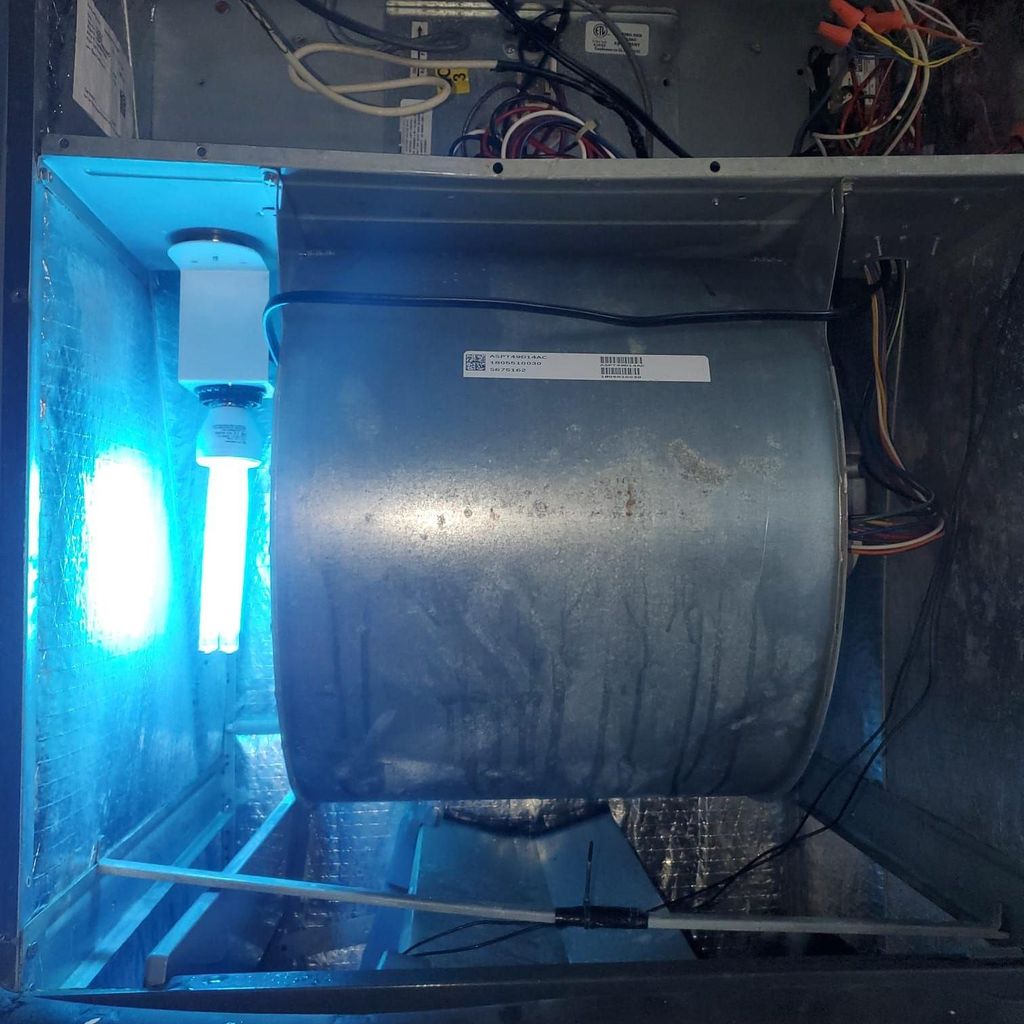
Blower fan malfunction: The fan that circulates heat can become noisy, run constantly, or stop working altogether, usually due to a bad motor or a faulty switch.
Igniter failure: If the button you push to light the pilot no longer clicks or creates a spark, the igniter has likely worn out and needs to be replaced.