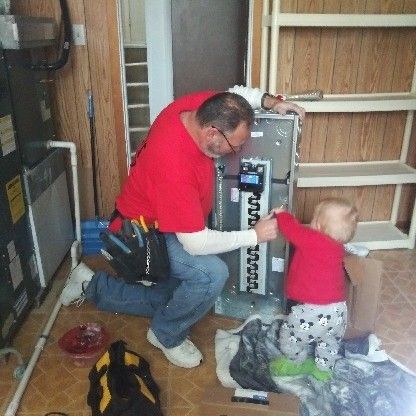





How do you fix an electrical outlet?
Repairing an electrical outlet requires shutting off power at the breaker, unscrewing the faceplate, and replacing the receptacle. Because electrical work can be dangerous, it’s often best to hire a professional to ensure the job is done safely and correctly. Most fixes take less than an hour.
How do I choose the best electrician for outlet repairs?
When looking for a pro to fix your electrical outlet, make sure you complete the following steps:
Verify their license and insurance: An electrician should have a state-issued license and general liability insurance. Requirements vary by region.
Get several bids: A proper written estimate should detail the costs for both labor and materials. Be wary of quotes given without a visual inspection.
Read their reviews: Good signs include comments on punctuality, clear communication, and proper repair work. Red flags are complaints about surprise charges or recurring issues.
Look at their portfolios: While you may not see photos of a simple outlet repair, you can check their profile for examples of other residential electrical work to gauge their experience and quality.
Find out if they have warranties: Ask if they guarantee their workmanship and parts. Many pros offer a warranty for a set period.
Ask important questions: Consider asking: Are you licensed and insured for this job? Do you provide a written estimate? What’s your experience with wiring in older homes?
How long does it take to repair an electrical outlet?
Typically, it will take a professional less than an hour to a few hours to fix an outlet. The exact time depends on a few factors. For example:
The outlet’s location can affect the timeline if it’s in a hard-to-reach spot.
Underlying wiring problems, like old or damaged wires, will require more time to diagnose and fix safely.
Upgrading to a specialized outlet, such as a GFCI or smart outlet, may take longer than a standard replacement.
The total number of outlets that need repairs will naturally affect the duration of the job.
If the root cause isn't immediately clear, your pro will need additional time for troubleshooting.
Remember: The timeline for your project will vary depending on many factors. Always ask your pro to provide an estimate.
What are the signs that I need to repair my electrical outlet?
Common signs that you should fix your electrical outlet include:
Visible damage or discoloration. Any cracks, chips, or scorch marks on the outlet are clear red flags. The plastic shouldn't be discolored or feel warm to the touch.
Sparks or strange sounds. You should never see sparks or hear buzzing or popping when you plug something in. This points to a dangerous wiring issue.
Loose-fitting plugs. If your plugs feel wobbly or fall out of the outlet, the internal contacts are likely worn out. This creates a poor connection that can lead to overheating.
A burning odor. A persistent burning smell coming from an outlet is a serious warning sign. Unplug everything immediately and avoid using that outlet.
Frequent circuit breaker trips. If using a particular outlet consistently trips the breaker, it signals an overload or a fault in the circuit that may require a professional electrical diagnosis.
Why aren't my outlets working even though the breaker isn't tripped?
A tripped GFCI outlet elsewhere in your home could be the culprit, as it can cut power to other outlets on the same circuit. Other potential causes include loose wiring or a faulty outlet. If resetting the GFCI doesn't work, you may need professional electrical help help to diagnose and fix the issue safely.
What should I expect during my outlet repair?
During your pro’s visit, they'll typically start by asking about the issue and visually inspecting the outlet. They will then likely use a voltage tester or multimeter to diagnose the problem, checking for issues like loose connections or a bad receptacle. Once they identify the root cause, they’ll explain the required repairs and what the job will entail before beginning the work. Sometimes, a simple outlet problem can point to a larger wiring issue, which a qualified electrical professional can also assess.