


What questions should I ask before hiring a scorpion exterminator?
Before hiring a scorpion exterminator, be sure to ask these questions:
Are you licensed and insured for pest control in my state?
What treatment methods do you use for scorpions, and are they safe for kids and pets?
How much experience do you have with the specific types of scorpions in my area?
What’s included in your scorpion extermination service, and do you offer follow-up visits?
Do you provide a guarantee or warranty for your work if the scorpions come back?
How should I prepare my home before you arrive for the treatment?
What steps can I take to help prevent scorpions from returning?
How do you get rid of scorpions permanently?
Getting rid of scorpions for good requires more than a one-time fix. A professional exterminator can treat your home and yard, but you’ll also need to seal any cracks or openings they could use to get inside. Regular pest management is often necessary for long-term control.
Can scorpions damage homes or yards?
Scorpions don’t typically cause structural damage to homes or yards, but they can create other concerns. They don’t chew wood, wires, or insulation like rodents do. However, some species have painful or medically dangerous stings. While they won’t damage property, sealing entry points and reducing outdoor clutter helps keep them away and lowers the risk of stings.
How often should pest control be done?
This depends on several factors, including:
The type of pest
The severity of the invasion
Your home’s characteristics
The quality of the pest control company’s work
In some cases, you might require pest control services three to four times a year. Or, you might need services monthly or every few months.
Talk to the best exterminators near you to get an idea of what type of service you need — and how many times you’ll need follow-up treatments.
How long do you have to stay out of your house after pest control?
It depends on the type of pest control you’re receiving and what the company recommends.
For some treatments, they might recommend you leave the house for a few hours or for a few days if your home is getting fumigated. In other cases, the exterminator may tell you don’t need to leave your house at all — just stay away from the area that was sprayed with pesticide until it dries.
Before they arrive at your home, ask the exterminator if you should plan to leave your house for a certain period of time.
What’s the best way to keep scorpions off your property?
Scorpions are sensitive to their environment, and certain conditions make areas less appealing to them.
Bright light: Scorpions are nocturnal and avoid well-lit areas.
Dry, sealed spaces: Eliminating moisture and sealing cracks removes shelter.
Strong scents: Essential oils like lavender, cedar, and citrus may deter scorpions.
Clean yards: Removing woodpiles, debris, and clutter limits hiding spots.
Pest control: Reducing the presence of insects removes their food source.
Prevention works best — seal entry points, eliminate moisture, and maintain tidy indoor and outdoor spaces. Experienced pros typically know the best deterrents for scorpions in your area.
How do exterminators get rid of scorpions?
Exterminators often use a combination of treatment and prevention methods to control scorpions effectively:
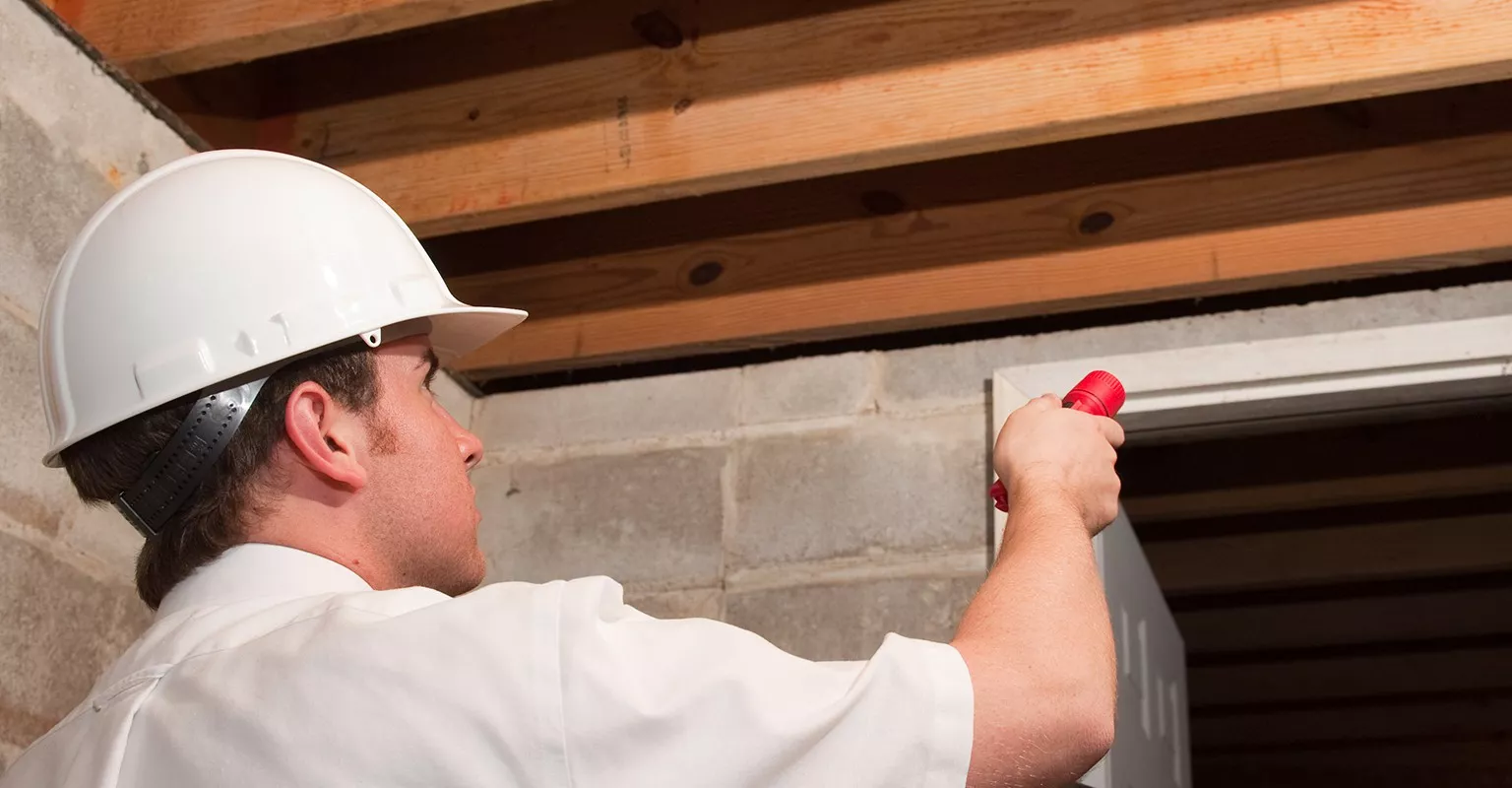
Inspection: They'll identify entry points, nesting areas, and moisture sources.
Targeted insecticides: Pros apply professional-grade sprays around foundations, cracks, and baseboards.
Dust treatments: Insecticidal dust is applied in wall voids, attics, and hard-to-reach crevices.
Glue traps: These help monitor activity and reduce indoor populations.
Exterior barrier: Pros will often create a perimeter treatment around the home.
Prevention advice: Many exterminators can also recommend prevention methods such as sealing gaps, removing debris, and controlling insects.
Ongoing maintenance treatments are often needed in areas where scorpions are common.
What factors affect the cost of scorpion extermination?
There are several factors that might impact the cost of this service, including:
Severity of the infestation: A few scorpions are easier and less expensive to handle than a full-blown infestation that requires more extensive treatment.
Size of your property: The total area of your home and yard that needs treatment will affect the amount of product and time required, which can impact the final price.
Type of treatment: The cost can vary depending on the methods used. For example, applying chemical barriers might have a different price than using non-toxic solutions or sealing entry points.
Frequency of service: A one-time visit will typically cost less than an ongoing pest control plan. Some situations may require follow-up treatments to ensure the problem is fully resolved.
Location of the pests: If scorpions are in hard-to-reach places like crawl spaces, attics, or inside walls, the job can be more complex and may increase the labor costs.