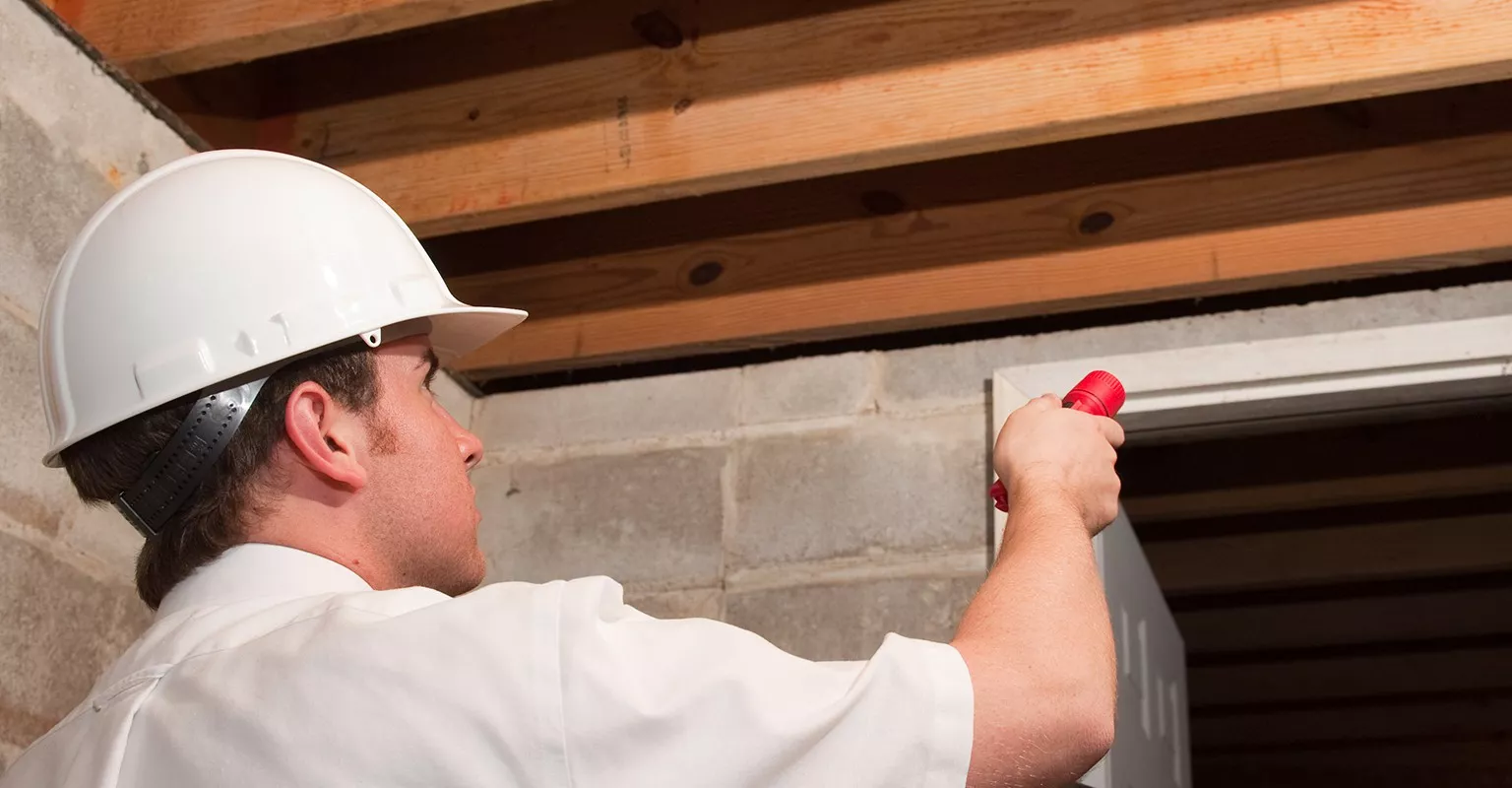

Is a termite inspection worth the cost?
Yes, a termite inspection is definitely worth it. Termites can cause thousands of dollars in structural damage, which often isn't covered by homeowners insurance. An inspection is a small price to pay to catch an infestation early and protect your home.
What factors can impact the cost of pest and termite inspection?
There are several factors that might impact the cost of this project, including:
The size of your property: Larger homes and yards take more time for a pro to inspect thoroughly from top to bottom.
The type of inspection: A standard visual check typically costs less than a formal Wood-Destroying Insect Report (WDIR), which is often required for real estate transactions.
Accessibility: If an inspector needs to navigate tight crawl spaces, cluttered basements, or hard-to-reach attics, the job can take more time and effort.
Severity of infestation: If a widespread infestation is immediately obvious, the inspection may become more complex as the pro works to identify the full scope of the problem.
Related issues: Sometimes, a pest inspection uncovers other problems. For instance, water damage caused by pests can create conditions that may require a separate mold inspection.
What does a termite inspection include?
A professional will visually inspect your home for signs of termites, like damaged wood or mud tubes. They’ll check the foundation, crawl space, and other areas where moisture can attract pests. Since moisture is also a key factor in a mold inspection, some homeowners schedule both at once.
How often should you schedule a pest and termite inspection?
It’s recommended that you schedule a pest and termite inspection at least once a year. This helps you catch hidden infestations before they cause serious damage to your home’s structure. Since pests are often attracted to damp areas, these checks can also uncover moisture problems that may require a separate mold inspection.
How long does it take to complete a pest and termite inspection?
Typically, it will take one to two hours for a professional to complete a pest and termite inspection. There are a few factors that may impact how long it takes. For example:
The size and complexity of your property is the most significant factor influencing the timeline.
Hard-to-reach areas like crawl spaces, attics, or cluttered basements can add to the inspection time.
If the inspector finds evidence of an active infestation, they’ll need extra time to document the extent of the issue.
The type of foundation your home has, such as a slab versus a full basement, can also affect the duration.
An inspector may also note related issues, like excess moisture, which could require a separate mold inspection.
Remember: The timeline for your project will vary depending on many factors. Always ask your pro to provide an estimate.
What are the signs that I need a pest and termite inspection?
Common signs that indicate it’s time to get a pest and termite inspection include:
Pest droppings. Finding small droppings that look like coffee grounds or black pepper can be a sign of termites (this is called frass) or other common pests.
Damaged wood. Wood that sounds hollow when tapped or has visible tunnels is a classic sign of termites. This can sometimes be confused with water damage, which might also mean you need a mold inspection.
Mud tubes. Seeing pencil-sized mud tubes along your foundation, walls, or in crawl spaces is a tell-tale sign of subterranean termites.
Discarded wings. Finding piles of small, identical wings on windowsills or near light fixtures often points to a recent termite swarm inside your home.
Strange noises. Hearing quiet clicking, rustling, or gnawing sounds coming from inside your walls or floors can indicate an active infestation.