How to choose the best shingles for your roof
By Rebecca Moseley•Last updated Nov 21, 2022
Last updated Nov 21, 2022
Table of Contents
- Step 1: Determine your budget
- Step 2: Research the different types of roof shingles
- Step 3: What are your future plans for your home?
- Step 4: Consider your environment and climate
- Step 5: Compare the best roof shingle manufacturers
- Step 6: Visualize different colors
- Step 7: Consult a roofer for estimates and other considerations
- Step 8: Make a final checklist
Find local pros for your project
Search for pros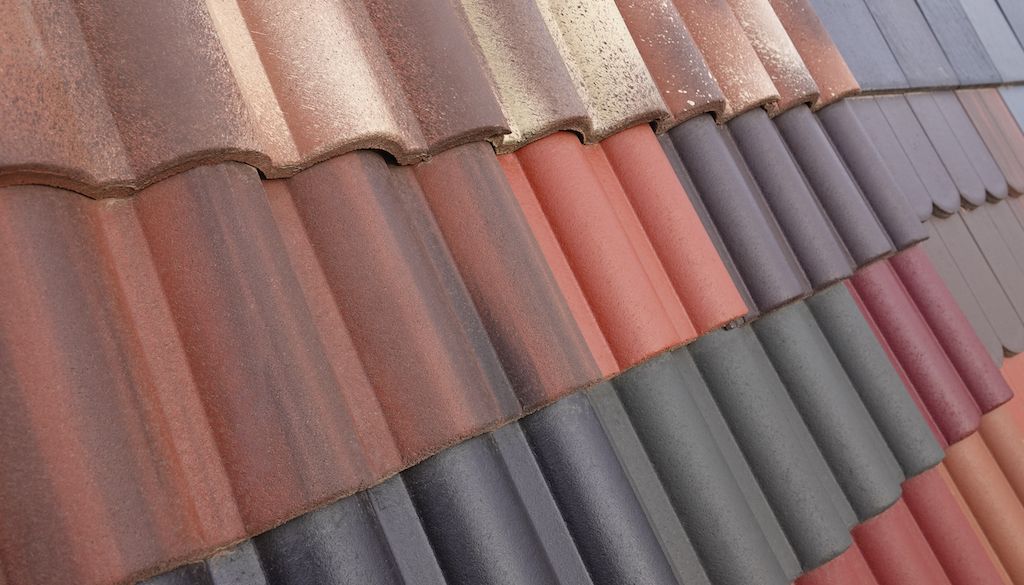
Roof shingles are not an everyday purchase, but they are an expensive and important one. Most of us know very little about the best type of roof shingles for our homes. However, there may come a time when you’ll need to replace your roof. Experts can guide you through this process, but it’s wise to do a little bit of research on your own first.
To help you make an informed decision, we'll walk you through how to choose the best type of shingle, manufacturer and color for your home and budget.
Step 1: Determine your budget
First, figure out how much you’re willing to spend on new roof shingles, maintenance, and repairs. If you won’t have the budget to maintain your roof regularly, choose shingles that are more durable and easier to repair.
You’ll also need to factor in installation costs versus material costs. The more complicated the shingles are to install, the more you’ll likely pay.
So, how much do roof shingles cost? In most cases, asphalt shingles are the most affordable. Metal, slate, wood, and tile shingles are more expensive. For more accurate cost estimates, contact local roofers near you.
Step 2: Research the different types of roof shingles
Many roofing shingle types exist on the market today, so much so that it can be overwhelming for a first-time buyer.
There are about a dozen different types of shingles, but four common materials are asphalt, metal, wood, and tile. Each type has its own pros and cons, which you’ll need to evaluate with a local roofing expert to determine the best roofing shingle for your budget, climate, and style.
1. Asphalt shingles

You’re probably used to seeing asphalt shingles on roofs. Asphalt is the most commonly used roofing material on homes thanks to its appealing look, variety of colors and styles, affordability, easy installation, and low maintenance. However, it’s not as durable as some other roofing materials, like metal. It’s also more susceptible to mildew and damage from strong winds.
Asphalt shingles pros and cons:
| Pros | Cons |
|---|---|
| -Cost-effective -Easy installation -Uniform or dimensional look -Various styles and colors -Can last a few decades with proper maintenance | -Susceptible to mildew -Not as durable as other roofing options -Doesn’t last as long as other materials -High winds and extreme heat can damage them |
Asphalt shingles fall into these three main categories:
- 3-tab asphalt shingles. Three-tab asphalt shingles are entry-level asphalt shingles. They tend to be very affordable and are thinner than their counterparts. They are the most common type of roof shingle used today.
- Architectural shingles. Architectural shingles are a step up from three-tab asphalt roof shingles. Also called laminated or three-dimensional shingles, this type adds more depth and thickness to your roof design than three-tab shingles.
- Interlocking shingles. If you live in an area with frequent, strong winds, this may be your best option. Interlocking shingles fasten together and are designed to resist high winds.
2. Metal roof shingles

Metal roof shingles are more expensive than asphalt shingles. Common metal roofing materials include steel, aluminum, copper, and alloy metals. You can get metal roofing in various shapes and textures, depending on the type and brand you select.
Metal shingles pros and cons:
| Pros | Cons |
|---|---|
| -Durability -Energy efficiency -Long lifespan of 40-80 years -Many styles and colors are available -Fire, wind, and hail resistant -Impervious to rot and insects | -Expensive -Can be dented -Can be noisy during storms -Screws can become loose -Difficult to install |
While metal roofing is very sturdy and durable, it’s not always ideal for DIYers who live in areas that receive snowfall. That’s because metal can be slippery, so you’ll need to be careful when walking on your roof. On the other hand, metal shingles are great for warmer climates because they can help keep your home cool by reflecting the sun.
Just because metal shingles are durable doesn’t mean they’re completely damage-resistant. Steel roofing can dent very easily, but textured metal may help camouflage dents, according to Consumer Reports.
3. Wood shingles and shakes
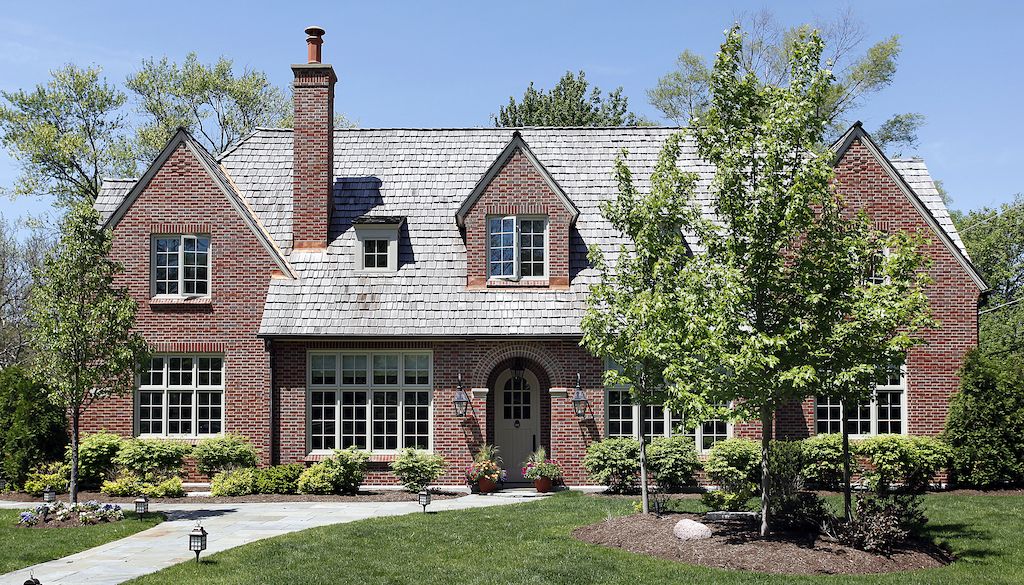
There are two main types of wood roofing materials to consider: wooden shakes and wooden shingles. Wooden shakes, often made of cedar, have a rough, textured, rustic, and natural appearance because of the wood grain and thickness. Wooden shingles provide a much smoother, more uniform look to your home’s roof because of their thinness and how they’re manufactured.
Wooden shingles pros and cons:
| Pros | Cons |
|---|---|
| -Aesthetically pleasing -Variety of different wood species to choose from for a custom look -Rustic and natural appearance may improve curb appeal -Relatively easy installation and repairs | -Potential fire risk -Vulnerable to termites -Can be susceptible to rot, mildew, and mold -Can be damaged by hail and heavy objects that fall on top of roof -Lifespan is only 25 years |
In the end, wooden shakes and shingles both have a similar aesthetic and curb appeal, but there are some drawbacks. For example, wooden roofs could be a fire risk unless they have a Class A fire rating. They could also be vulnerable to termites, rot, mold, and more.
4. Tile shingles

Tile roofing shingles can be durable, beautiful, and versatile enough to give your home an aesthetically pleasing custom look. Tile shingles are often made out of clay, concrete, or slate, and these materials do a good job of resisting high winds, pests, and hail.
Tile shingles pros and cons:
| Pros | Cons |
|---|---|
| -Durable and can last 100+ years -Not susceptible to rot -Large variety of colors and materials available -Clay and concrete can resist strong winds, hail, pests, and fire -Can mimic the appearance of other materials, like asphalt or wood shakes | -Difficult installation, not a DIY project -More expensive than other materials, like asphalt -Can be cracked and damaged by heavy objects -Can get dirty and require more maintenance |
The main downsides to installing a tile roof are cost, difficult installation, and maintenance. Tile roofing is also more prone to cracking when stepped on, which makes it harder to install and repair. If you choose a tile roof, finding a top-rated roofer is a must and can add to the cost.
For a more detailed list of the other shingle options we briefly mentioned, check out our article, “10 common types of roof shingles and tiles.”
Step 3: What are your future plans for your home?
Do you plan to stay in your home for just a few years and then sell it? Or do you plan to live in your home forever and pass it down to future generations? Your future plans may determine the type of shingle you should pick. Here’s why.
If you plan to sell your home and want to get a return on your investment, you may need to spend more on a high-quality roofing system. If metal, slate, or tile roofs are in demand in your real estate market, it may be worth expanding your budget so you can afford one of these options.
If you plan to live in your home for several decades, choose shingles that are durable and have a long lifespan and warranty. In most cases, this means opting for metal, clay, or concrete shingles. Here’s a look at the roof shingles with the longest lifespan.
What are the longest-lasting roof shingles?
| Shingle material | Estimated lifespan (years) |
|---|---|
| Rubber | 15-25 |
| 3-tab asphalt | 20 |
| Wood | 25 |
| Architectural asphalt | 30 |
| Metal | 40-80 |
| Slate | 60-150 |
| Copper | 70+ |
| Clay | 100+ |
| Concrete | 100+ |
Step 4: Consider your environment and climate

Where you live will determine which types of shingles to install on your home. Some roofing materials hold up better in hotter, drier climates than others. The same is true in colder climates — some shingles hold up better when faced with snow, rain, and hail.
Use this table to help you decide the best roof shingle for your climate and environment:
| Climate or weather | Roof shingle options |
|---|---|
| Hot | Metal, slate, clay, terra-cotta, ceramic, concrete, and rubber |
| Cold | Metal, slate, architectural, concrete, clay |
If you live in a climate that experiences wildfires, make sure you check the fire rating on your shingles before you install them. If possible, only install shingles with a Class A rating.
A roofer with plenty of experience installing shingles in your area will also have an idea of which materials can withstand the weather and climate where you live.
Step 5: Compare the best roof shingle manufacturers
There are several companies and brands that sell roof shingles. It’s important to compare your options to get the best price and highest quality.
You can buy shingles yourself from these brands or through popular retailers. Or, your roofer can recommend a brand and provide the materials needed to install your new shingles.
Here’s a quick look at several popular roof shingle brands that are often featured on “Best of” lists:
| Brand or manufacturer | Best known for… |
|---|---|
| Atlas | Slate, 3-tab, and architectural roof shingles |
| CertainTeed | Asphalt and architectural roof shingles |
| Classic Metal Roofing Systems | Metal roof shingles |
| EDCO | Metal roof shingles |
| GAF | 3-tab and architectural roof shingles |
| McElroy | Metal roof shingles |
| Owens Corning | Architectural roof shingles |
| Tamko | Asphalt and metal/steel roof shingles |
Step 6: Visualize different colors
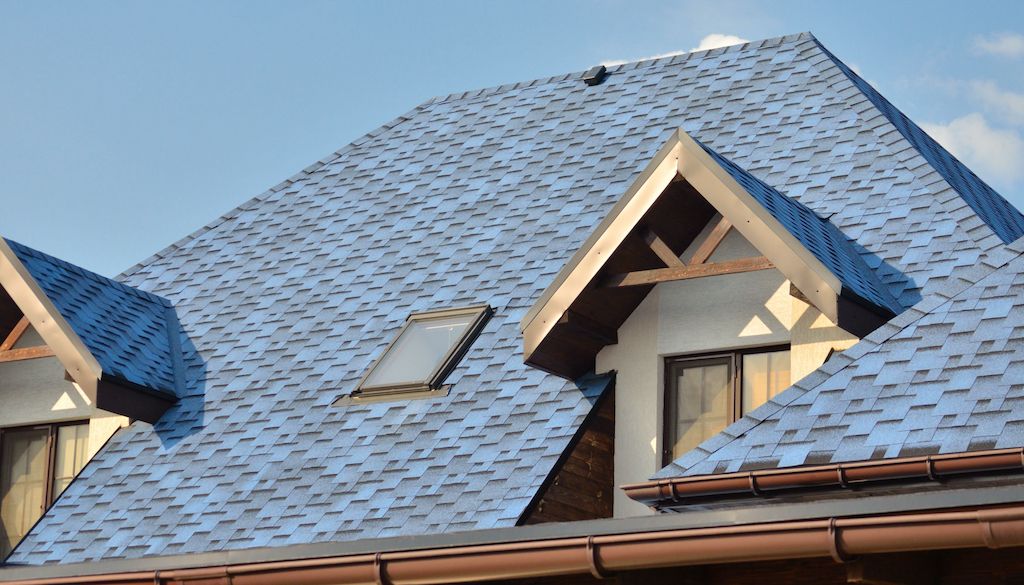
Choosing the color of your roof shingles is important. This isn’t a purchase you’ll want to make again for many years, so pick a color you love without hurting your home’s resale value.
Start by evaluating the color of your home’s siding, landscaping, and surroundings. Your climate may also influence your choice. If you live in a hot climate, choose shingles in a light color, or with cool-colored granules if you have your heart set on a dark roof.
Some of the best roof shingle colors are:
- Black and charcoal
- Gray and pewter
- Light and dark brown (desert or tan colors)
- Red and terra-cotta
- Hunter green
- White, beige, or cream
Keep in mind that the color options available to you will depend on the type of roof shingle you choose and the manufacturer.
Step 7: Consult a roofer for estimates and other considerations
A roofer can help you choose the best shingles for your roof based on your budget, style preferences, and environmental factors. They can also inspect your house and roof to help determine which types of shingles are more appropriate for your roof’s slope, pitch, and angle. Some shingle types work better on steeper roofs, while others work better on roofs that are flatter or have a lower pitch.
But perhaps most importantly, a roofer can install your new shingles. Poor, low-quality installation can ruin your shingles and end up wasting time and money.
To make sure you’re paying the best price possible and getting as much expert advice as possible, talk with at least three local roofing professionals. Get a quote from each expert, but don’t automatically hire the pro with the lowest price.
Start your search for a roofer on Thumbtack. Read customer reviews, check ratings, and browse before-and-after photos in their portfolios before making a decision.
Step 8: Make a final checklist
After you’ve done some research and completed Steps 1 through 7, create a quick checklist to ensure the shingles you want to install satisfy all of your requirements. For example, ask yourself the following questions:
- Am I within my budget? Did you get an estimate that fits within your budget? If not, can you stay on budget if you choose a different color or style? Or should you hire a different roofer to install your new shingles?
- Are these shingles durable enough for my environment? Will your shingles hold up against extreme weather, including heat, rain, hail, and wind?
- Do these shingles work with my roof’s slope or pitch? The angle of your roof should also be considered when trying to determine the best shingles for your home.
- Am I happy with the color? If you’re not 100% sold on any of your color options, get an expert’s opinion.
- Is the manufacturer reputable? Select shingles from a brand that is reputable and well-known.
- What’s the fire rating? No one wants to think of their home burning in a fire, but this is important. Choose shingles with a Class A fire rating.
- How long will my shingles last? Replacing your roof can be very expensive. Be certain that you pick shingles with an appropriate lifespan to get the most value for your money.
A note about project costs included or linked in this article: Figures represent national average cost estimates using data provided by Thumbtack pros and additional research. These figures are provided for educational purposes only and are subject to change at any time due to various factors. Details about your specific project and local rates can impact costs.
How it works.

Search.
Browse profiles, see prices and use filters to find pros who match your project.

Chat.
Contact the pros you like to discuss project details.

Hire.
Check pro availability and book appointments right in the app.
Find local pros for your project
Tell us what you're looking for and we'll show you pros right for the job, with prices.