12 spring lawn care tips for a beautiful lawn all year long
By Thumbtack Staff•Last updated Mar 28, 2022
Last updated Mar 28, 2022

Spring can be a busy season for homeowners who are ready to put their front or back yards to good use. Flowers bloom again, trees sprout new leaves — and the grass is greener no matter what side it’s on.
But you can’t expect your lawn to flourish on its own. If you want beautiful, lush grass, you need to tackle some critical landscaping tasks first. These handy lawn care tips will get you ready for springtime outdoor living in no time.
Spring lawn care steps you should take
From the quality of your soil to the condition of your lawn mower, there are several things to keep on top of this spring to help ensure a healthy lawn. Many of these tasks you can do on your own. For the ones that take more time or expertise, there are plenty of lawn care professionals who can help.
1. Clean up your yard and lawn

After walking around your property and noting the outdoor projects on your list, it’s time to start clearing. Focus on your plant beds, garden area, and anywhere debris has built up. As you remove dead leaves, branches, and other organic matter, consider keeping these materials to use as mulch later in the season.
Feeling overwhelmed by the amount of cleanup that needs to be done? Local landscapers and property cleaners can help with a variety of yard cleanup tasks.
2. Inspect your lawn for damage and problem areas

If you look around the yard and see dry, yellow patches of grass, your lawn is probably dealing with winter damage. Common winter issues include snow mold, dryness, and other seasonal stresses on healthy grass.
Once the coldest days of the season are behind you, look for winter injuries and other damage your yard may have sustained during the colder months. You might discover:
- Dead grass and trouble spots that never cleared up last year. Did you end the year with patchy grass or bare spots due to heavy snowfall? Did crabgrass take over your lawn? If so, hire a lawn care pro.
- Plants and foliage that dried out due to chilly temperatures. If you’re trying to bring foliage back to life, you may need to work with a gardener or landscaper to restore your plants. If that’s not possible, consider replacing them with varieties better suited to your region.
- Tree branches that were damaged during a big winter storm. These can pose a threat to your lawn, home, or even family members playing or walking in the yard. Don’t hesitate to have someone remove them before they fall and cause further damage.
3. Find out what type of grass you have

If this is your first time caring for a lawn, figure out what type of grass you have before you do anything else. Warm-season and cool-season grasses each have their own maintenance needs, so it’s important to care for your grass type accordingly.
Here’s a quick look at the two grass types:
| Grass type | Description | Examples |
|---|---|---|
| Warm-season grasses | Adapt to hotter, drier weather. They tend to thrive better in the South, and their peak growing season is in the summer. | Bermuda, centipedegrass, and St. Augustine grass |
| Cool-season grasses | Grow faster in the spring and fall. In the U.S., they’re more common in the central and northern regions. | Kentucky bluegrass, annual ryegrass, and tall fescue |
Ask your lawn care professional to help identify your grass type and what special steps you should take to keep it healthy throughout the spring.
4. Conduct a soil pH test

Kick off your spring lawn care checklist with a soil test so you can determine whether your lawn has the proper pH balance and mix of nutrients. If not, you may need to fertilize your lawn and address any ongoing issues, according to the National Association of Landscape Professionals (NALP).
During a soil pH test, your lawn care company will check for the following nutrients:
- Nitrogen, which is often deficient in soil but is necessary for leaf growth.
- Phosphorus, which helps promote root growth and seed formation.
- Potassium, which boosts vigor and helps move and form starches.
If your soil has an adequate amount of nutrients, your grass, trees, shrubs, and other plants have the best chance of growing strong and resisting disease.
5. Fertilize your lawn, trees, and shrubs

Armed with your soil test results and the recommendation of what nutrients your soil needs, you’re ready to fertilize your lawn.
When shopping for fertilizer, pay attention to the labels and numbers. Fertilizer comes with three numbers on the label, and they represent the percentage of nitrogen, phosphate, and potassium in the bag. You can think of the three numbers as a kind of prescription.
How much fertilizer you should add to your lawn depends on its size and, of course, your soil’s condition. However, don’t overdo it. Applying too much fertilizer can damage your lawn and burn the grass. Plus, believe it or not, your grass can grow too fast. If possible, choose a fertilizer labeled “slow-release nitrogen.”
Generally, it’s recommended that you fertilize your trees and shrubs in early or late spring. Some experts may recommend an early spring application followed by a few more later in the season. But if you’ve applied fertilizer in the fall, you may be able to wait until late spring. It depends on how your grass is doing and the results from your soil pH test.
As you’re fertilizing your lawn, you may also be able to fertilize your shrubs, trees, and other plants at the same time. Just read the labels first, and make sure the fertilizer doesn’t contain herbicides or insecticides. You should also consider fertilizing your trees and shrubs before you apply mulch.
Unsure of what to apply, how much, or when? Offload this task to a lawn care company. They can apply the right amount of fertilizer to your lawn, trees, and plants.
6. Figure out how often you should mow your grass

Mowing is an important part of maintaining a healthy lawn. Some experts recommend mowing your lawn every three to five days or once a week. But it depends on how high your grass blades should be. For example, the NALP recommends that in the spring and fall, cool-season grasses should be 2–3½ inches high. A lawn mowing professional can advise you on how tall your grass should be.
If you plan to mow your lawn yourself, make sure your lawn mower is in good shape. For example, if the blades are blunted or dull, sharpen or replace them. You can also hire a lawn mower repair service to inspect your mower if you suspect there’s a bigger problem.
If you don’t have the time — or energy — to mow your lawn yourself every week or so, find a professional who can do it for you at a reasonable price.
7. Think twice before seeding

You might be tempted to apply grass seed to your lawn, but spring isn’t actually the best time to do it. Surprisingly, it’s the second-best time. Ideally, you should seed your lawn in late summer or early fall, according to the NALP.
However, if your lawn sustained heavy damage during the winter, your lawn care professional might recommend seeding in the spring. Also, find out if you should aerate or dethatch your lawn before seeding or overseeding.
8. Aerate your lawn if needed

Everything about plant health starts with the soil, which is why aerating your lawn is a common step many homeowners take during the spring season, though you can also aerate in the fall.
Compacted soil and lawn thatch can make it difficult for your grass to grow and thrive. Fortunately, aeration can loosen the dirt, ensuring that water, air, and nutrients can reach your grass roots. The process allows plants to absorb more critical nutrients, gives roots room to grow strong, and helps prevent disease from attacking your lawn.
You can aerate your lawn yourself if you have an aerator or can rent one from a retailer. If not, talk to your lawn care professional about scheduling this service. Request a cost estimate for lawn aeration early in the spring season and beat the rush.
9. Be mindful of weed seeds if you’re dethatching

All throughout your lawn, you probably have dead grass, stems, roots, stolons, and rhizomes. While thatch can be good in moderation, too much can suffocate your grass, lead to insect infestations, and attract lawn diseases. For this reason, you might need to take extra steps to dethatch your lawn in the spring.
Aim to dethatch your cool-season grasses in early spring and early fall so your grass can heal before the critical growing season begins. The Spruce says spring is the best time to dethatch both cool-season and warm-season grasses. Check with your lawn care service if you’re unsure whether your grass should be dethatched in the spring.
You can use a dethatcher or a rake to pull away thatch, but don’t overdo it. Some thatch — a layer of ½ inch — is beneficial because it acts as mulch.
For lawns with a heavy accumulation of thatch, a professional can use a specialized power rake to properly dethatch the area and help you pinpoint the right time to do it. As the NALP points out, dethatching may release weed seeds into the open, which can cause more weeds to grow, so consult with an expert for more information about your lawn.
10. Tackle pesky weeds early on

The best way to prevent weeds such as crabgrass and dandelions from invading your lawn is to stay on top of maintenance and follow basic weed-control tips. For example, when mowing, don’t cut your grass too short. Use mulch to smother weed seeds, and consider adding pre-emergent herbicides and other weed killers to your strategy.
When in doubt, contact a weed control service near you. These pros can help you address weeds early and recommend the best course of action for your lawn.
11. Test your sprinkler system
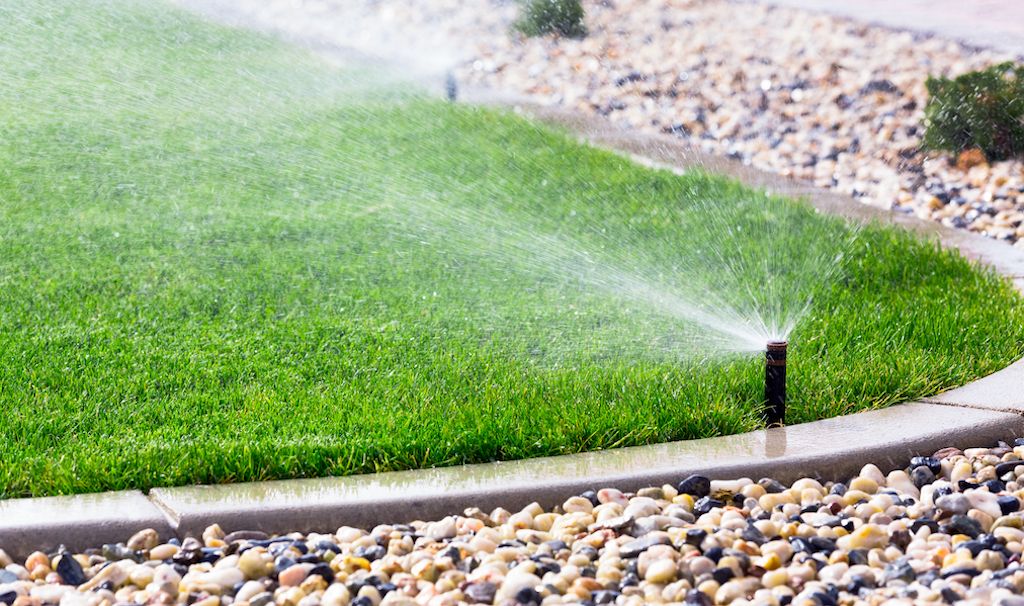
Keeping your lawn green is easier when you use some sort of irrigation or sprinkler system. In fact, a sprinkler system can save you money on water costs as long as it operates more efficiently than a traditional garden hose.
To make sure your irrigation system is working properly, test it in early spring before the weather gets too hot and the sun wreaks havoc on your grass and plants. But also make sure the weather is warm enough to run water through your system.
Did you hire a professional to do your sprinkler blow-out in the fall? The odds are good they’ll be happy to come back out and turn your system on. A lawn sprinkler company can help test all your lines so you can address any issues before the warmer season is fully in swing.
12. Practice safe pest control

During the spring, you’ll likely start to notice unwanted pests taking up residence in your lawn, garden, and even inside your home. The NALP says that billbugs and white grubs can become more active in the spring. Billbugs will start to lay eggs, and white grubs will feed on your grass roots.
Have a pest control service inspect your lawn for white grubs, billbugs, and other pests. They can help you determine the right treatment, chemicals, or pesticide, depending on the specific insect that’s invaded your lawn and garden. You should also take some preventive measures. For example, remove dead branches and plants, where insects love to hide and lay eggs, and eliminate standing water and puddles, which can attract mosquitos.
Use Thumbtack to tackle your spring lawn care needs
By implementing these spring lawn care tips, you can create a beautiful outdoor living space that you’ll be proud of all summer. Use Thumbtack to search for local lawn care services and other home improvement professionals.
Get free cost estimates for lawn services in your area, set up a consultation, or schedule an appointment with a pro today so you can give your lawn its best chance at success this spring.
How it works.

Search.
Browse profiles, see prices and use filters to find pros who match your project.

Chat.
Contact the pros you like to discuss project details.

Hire.
Check pro availability and book appointments right in the app.
Find local pros for your project
Tell us what you're looking for and we'll show you pros right for the job, with prices.