Why is my dishwasher not cleaning my dishes?
By Vanessa Wolf•Last updated Aug 31, 2023
Last updated Aug 31, 2023
Table of Contents
- Not scraping off food particles before loading
- Water temperature and dishwasher detergent
- Dirty filter and clogged inlet valve
- Wash cycle duration and settings
- Overloading and improper loading
- Mineral deposits and hard water
- Clogged spray arm
- Undissolved dishwasher tablets
- Help ensure your dishwasher properly cleans your dishes
- Find pros who can fix your dishwasher
Find local pros for your project
Search for pros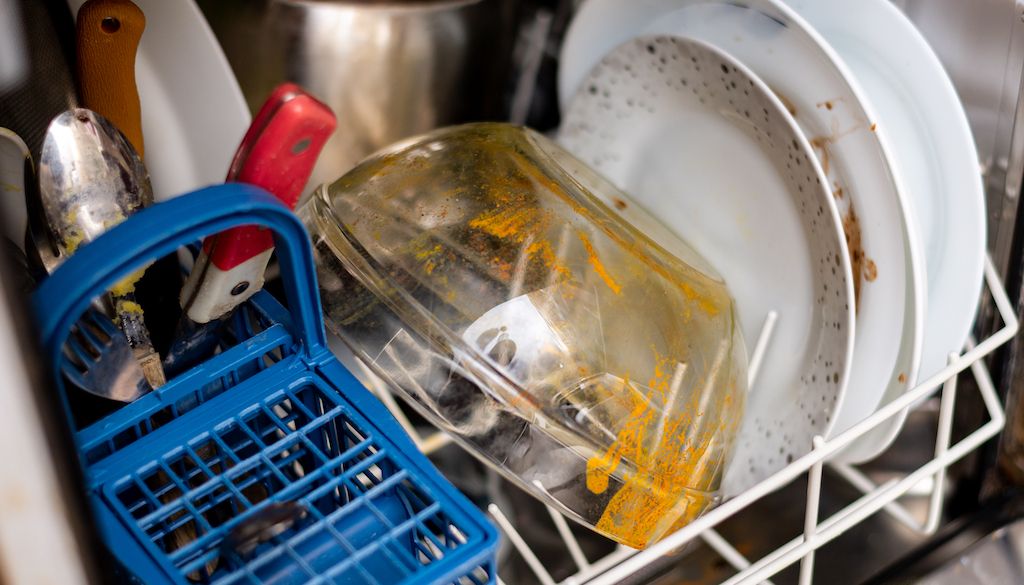
We've all been there. You empty the dishwasher but discover that your dishes are still dirty with grime and food. It's frustrating — why is your dishwasher not cleaning the dishes?
If you're facing this issue, fear not. In this article, we'll explore the possible culprits behind your appliance's lackluster performance. We also have dishwasher repair, troubleshooting, and cleaning tips to help you get those dishes sparkling again.
Not scraping off food particles before loading
One of the most common reasons a dishwasher is inefficient is food debris left on dishes before you load them. If your dishwasher is not cleaning as it should, inspect dishes before loading them. Rinse and scrape off any visible food remnants.
Water temperature and dishwasher detergent
Water temperature plays a vital role in your dishwasher's performance. If the hot water entering your dishwasher isn't at the optimal temperature, typically around 120°F or 50°C, the dishwasher may have trouble breaking down grease and grime.
You can check whether water temperature is the problem by running the kitchen sink's hot water for a few minutes before starting the dishwasher. If the water is still cold, you may need to troubleshoot your hot water heater or hire a plumber to fix it.
Also, make sure you're using a high-quality dishwasher detergent that's suitable for your dishwasher.
Dirty filter and clogged inlet valve
A dirty, clogged dishwasher filter can prevent water from flowing freely during the wash cycle, leading to poor cleaning results. Check your owner's manual to locate the filter, which is usually on the bottom of your dishwasher. Then, follow these steps to clean the filter using a soft brush and water.
Similarly, a malfunctioning inlet valve can restrict water flow and affect cleaning performance. If you suspect a faulty inlet valve, it's best to hire a dishwasher repair professional for inspection and possible replacement.
Wash cycle duration and settings
Sometimes dishwashers don't clean properly because you chose the wrong wash cycle or setting.
Choose the cycle that matches the type of load you have, such as heavy-duty for pots and pans or a quick wash for lightly soiled items. Longer wash cycles may also produce better results for heavily soiled dishes because they allow more time for thorough cleaning.
Overloading and improper loading
Overloading the dishwasher or stacking dishes incorrectly can prevent water and detergent from reaching every item, leaving dishes unclean. Don't overcrowd the dishwasher — leave enough space for water to reach every dish.
It's also important to avoid nesting a small bowl inside a larger one or placing large items in front of the spray arm. Either issue can obstruct the cleaning process.
Mineral deposits and hard water
Mineral deposits from hard water can build up over time and affect dishwasher performance. To help with this issue, periodically clean your dishwasher with a vinegar solution. Place a bowl of white vinegar on the top rack and run an empty cycle. The vinegar helps dissolve mineral deposits and eliminate unpleasant odors.
Consider installing a water softener to reduce mineral buildup and improve your dishwasher's cleaning effectiveness. A water softener helps prevent the negative impact of hard water on your dishes and dishwasher components.
Clogged spray arm
A clogged spray arm can hinder water distribution and lead to inadequate cleaning. Check the dishwasher spray arm for debris or buildup, and clean it thoroughly. If the spray arm is damaged, consider replacing it to restore proper water circulation.
Undissolved dishwasher tablets
One common reason dishes fail to clean during a cycle is that the dishwasher tablet does not fully dissolve. Inspect the tablet collecting tray and make sure the tablet has completely dissolved during the wash cycle.
Help ensure your dishwasher properly cleans your dishes
Remember these tips to help prevent the issue from happening again anytime soon:
- Run the kitchen sink's hot water before starting the dishwasher to make sure the water is at the right temperature.
- Properly load the dishwasher, allowing the spray arm to rotate freely and reach all dishes.
- Use a high-quality dishwasher detergent suitable for your water hardness level.
- Clean the dishwasher filter regularly to avoid clogs and ensure optimal water flow.
- Consider installing a water softener if you have hard water, as it can improve cleaning results.
- Use rinse aids or rinse agents to improve drying performance and prevent water spots.
With any luck, these tips will resolve issues with a dishwasher not cleaning dishes.
Find pros who can fix your dishwasher
If you've tried troubleshooting and your dishwasher still isn't cleaning dishes properly, it may be time to seek professional help. Depending on the problem, you may need to hire an appliance repair technician, a plumber, or a handyman with experience in dishwasher repairs.
Use the Thumbtack app to connect with local pros who can help get your dishwasher back in top-notch condition. Compare top-rated pros near you, ask for price quotes, and schedule service today.
A note about project costs featured in this article: Figures represent national average cost estimates using data provided by Thumbtack pros and additional research. These figures are provided for educational purposes only and are subject to change at any time due to various factors. Details about your specific project and local rates can impact costs.
How it works.

Search.
Browse profiles, see prices and use filters to find pros who match your project.

Chat.
Contact the pros you like to discuss project details.

Hire.
Check pro availability and book appointments right in the app.
Find local pros for your project
Tell us what you're looking for and we'll show you pros right for the job, with prices.