15 drought-tolerant landscaping ideas and tips
By Evan Crowther •Last updated Jun 2, 2023
Last updated Jun 2, 2023
Table of Contents
- Considerations when choosing drought-tolerant landscaping
- Drought-resistant landscaping ideas
- 1. Group plants by watering needs
- 2. Incorporate hardscaping
- 3. Create a rock garden
- 4. Plant succulents
- 5. Collect rainwater
- 6. Create a fire pit
- 7. Use decorative gravel
- 8. Install a drip irrigation system
- 9. Spread mulch
- 10. Plant drought-tolerant trees
- 11. Create a rain garden
- 12. Use ornamental grasses
- 13. Explore xeriscaping
- 14. Add walkways
- 15. Create a container garden
- Get free estimates from landscapers near you
Find local pros for your project
Search for pros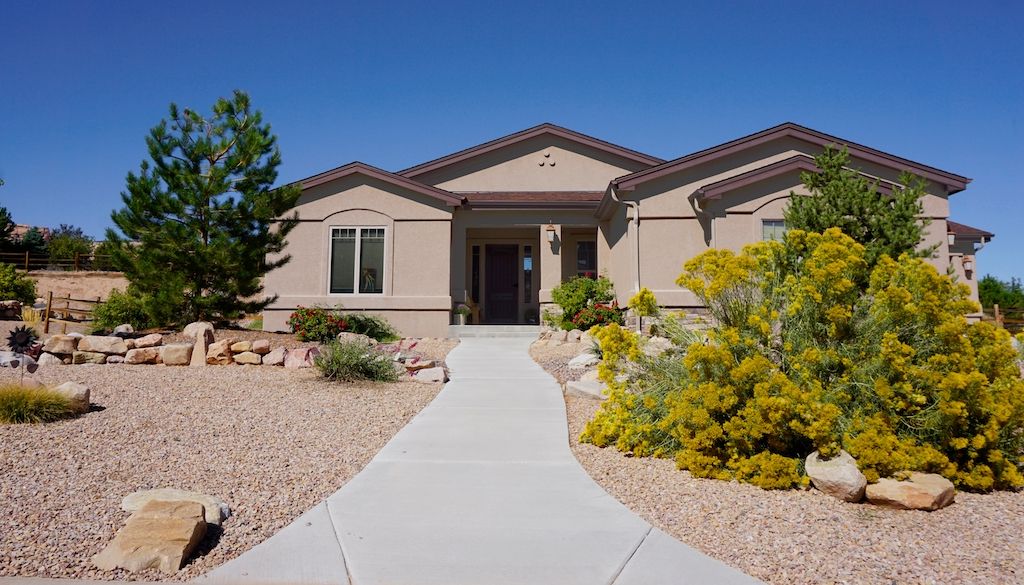
This guide was reviewed by landscape designer Bret Douglas of Iron Clad Landscape Management
Good landscape design can make your yard an oasis for relaxing and entertaining guests. However, maintaining a garden in hot, dry conditions can be challenging. Luckily, there are countless ways to make your landscape beautiful in these harsh conditions.
Drought-tolerant plants and hardscaping are the keys to creating a sustainable garden with minimal water usage. Continue reading to discover how to include landscaping elements that save water, need little upkeep and look attractive.
Considerations when choosing drought-tolerant landscaping
Before we jump into the design ideas, there are a few important factors to consider when creating a drought-tolerant yard. Keep these in mind, and you’ll better understand which design elements will work best for your space:
- Local climate. Depending on your climate, different plants and features will be suitable for your yard.
- Soil. The health and quality of your soil will determine which plants will thrive in your space. Conduct a soil test and consider planting native plants, which are usually easier to incorporate into your landscaping.
- Maintenance. Consider how much maintenance you’re willing to do. Many drought-resistant plants can increase curb appeal but still need some care to stay healthy.
- Aesthetics. Have an idea of the overall aesthetic you want to achieve. Grouping plants, using color and creating focal points will help you design a cohesive landscape.
Drought-resistant landscaping ideas
Are you ready to start brainstorming landscaping ideas for your front or backyard? Check out these water-wise plantings and drought-tolerant features to help you design a beautiful outdoor space while conserving water.
1. Group plants by watering needs

A good way to conserve water is to keep plants with similar watering needs close together. It can also make it easier to stick to a watering schedule for each group of plants.
Although planning this out can be time-consuming, you’ll save time, water and money in the long run.
2. Incorporate hardscaping

Opting for hardscape features such as rocks, pavers, a patio and retaining walls instead of grass and plants can help conserve water. These features also create visual interest.
Hardscaping can work with a natural aesthetic or a modern look. You can place large boulders or create sleek right angles with a stacked wall. The contrast with surrounding greenery will keep your yard beautiful and water-wise.
3. Create a rock garden

In addition to large rocks and paving, you can arrange rocks of different sizes to create a rock garden. A rock garden requires minimal water and maintenance once completed.
Use only rocks, or incorporate them with drought-resistant plants. You can also use sand or gravel as a base.
4. Plant succulents

Planting succulents can add some low-maintenance greenery to your yard. Many succulents, such as cacti, aloe, hen and chicks and more, can thrive in desert-like environments.
A staple of drought-tolerant gardens, succulents aren't a single family of plants. Rather, the term refers to any plant that stores water in a fleshy leaf or stem.
5. Collect rainwater

Rainwater harvesting can be a great way to conserve water and irrigate your garden bed. You can install a rain barrel to collect rainwater and distribute it to your plants.
Some states have legal restrictions on certain methods of rainwater collection. Be sure to check whether you need any licenses before you install a rain barrel.
6. Create a fire pit

A fire pit is a stylish addition to any landscape and is perfect for outdoor gatherings. Fire pits can be purchased or made in various shapes and styles. Your fire pit can be stone, brick or metal. Installing a fire pit will reduce the space you need to dedicate to plants.
7. Use decorative gravel

Coarse gravel can add texture and color to your garden. Replacing a paved area with gravel also allows water to reach the soil below, providing more water for your plants. You can create gravel pathways, borders and garden beds.
8. Install a drip irrigation system

Spray irrigation systems often lose a lot of water to evaporation in hot, dry conditions. Installing a drip irrigation system can ensure more water reaches your plants. Also called micro-irrigation, this system uses a pipe with small holes to distribute water directly to plant roots.
9. Spread mulch

Water evaporates more quickly in exposed soil. To help your soil retain moisture, cover it in a layer of mulch. Mulch can be made of many materials, including bark, pine needles or inorganic materials like plastic.
10. Plant drought-tolerant trees

Trees can add privacy, shade and color to an outdoor space. And planting trees that can withstand dry conditions can shelter more delicate plants in your garden. The shade will also help your soil retain moisture.
- Scots pine
- Live oak
- Hackberry
- Kentucky coffeetree
- And more
Chat with a local landscaper to find out which drought-tolerant trees work best for your yard.
11. Create a rain garden

Reduce water runoff on your property by creating a rain garden. A rain garden uses slopes in the landscape to naturally distribute rainwater. Lining the depressed area with drought-tolerant plants can create a visually interesting landscape.
Rain gardens can be as simple as a small trench dug into the ground, or they can include a complex drainage system.
12. Use ornamental grasses

While a lawn requires a lot of watering in dry climates, ornamental grass is a low-maintenance option. Newly planted ornamental grass needs more water in its first summer. After some time, however, rainwater alone will often be enough to sustain it.
13. Explore xeriscaping

Several of the drought-tolerant landscaping ideas covered here are elements of xeriscaping. Xeriscaping refers to using landscape design choices that reduce the need for watering. The landscaping technique combines hardscaping, drought-tolerant plants and irrigation.
14. Add walkways

You can reduce the amount of vegetation in your yard by placing walkways. These can be tile, stone or some other material. If you use a permeable material for walkways, it allows water to seep into the soil below.
15. Create a container garden

Living in a dry climate doesn't mean you can't have plants that require more water. Isolate your thirstier plants in containers. This will reduce the amount of watering they require.
Containers and pots are neat, easy to organize and can even attract pollinators, encouraging plant growth.
Get free estimates from landscapers near you
You can tackle some landscaping projects yourself, but for bigger projects, you’ll need to hire a contractor.
Thumbtack is the easiest way to find the right landscape design company for your project. Download the Thumbtack app today to hire a landscaper.
A note about project costs included or linked in this article: Figures represent national average cost estimates using data provided by Thumbtack pros and additional research. These figures are provided for educational purposes only and are subject to change at any time due to various factors. Details about your specific project and local rates can impact costs.
How it works.

Search.
Browse profiles, see prices and use filters to find pros who match your project.

Chat.
Contact the pros you like to discuss project details.

Hire.
Check pro availability and book appointments right in the app.
Find local pros for your project
Tell us what you're looking for and we'll show you pros right for the job, with prices.