Watch out for these 11 safety and health hazards at home
By Thumbtack Staff•Last updated Aug 17, 2022
Last updated Aug 17, 2022
Are you living in a healthy, hazard-free home? If you can’t answer that question with a confident “yes,” it’s time to inspect your home for potential issues.
If you're not sure where to start, read this guide. And afterwards, you may even want to consult with a home care professional (and maybe even your doctor). From chemicals in the air to potential fire hazards, we’ve outlined 11 potential threats and the safety tips every homeowner should know.
1. Asbestos

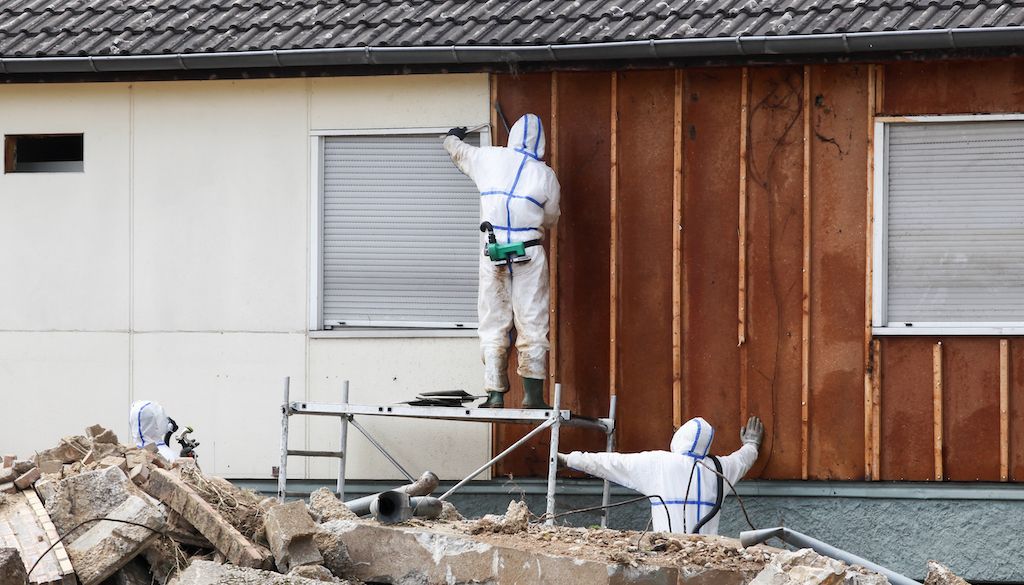
Asbestos is a mineral that may be found in various building materials. If your home contains asbestos and you’re doing demolition or a home improvement project, those fibers may be released into the air. When inhaled or ingested, the fibers can increase the risk of certain health issues — most notably lung disease.
When in doubt, you can hire a professional to inspect and test your home for asbestos before you start your project. But the Environmental Protection Agency (EPA) says that if your building materials “won’t be disturbed, you do not need to have your home tested for asbestos. Material that is in good condition and will not be disturbed (by remodeling, for example) should be left alone.”
For more information on asbestos, visit the EPA website.
2. Asthma attack “triggers”

Allergens and pests in your home may trigger asthma attacks. Common triggers include dust mites, mold, pets, and even cockroaches.
Avoid and prevent allergies or asthma attacks by learning what causes them. Keep your home clean, and avoid the things you know can trigger your allergies or asthma. For example, the Centers for Disease and Control (CDC) recommend washing your bedding every week and using a vacuum with a HEPA filter on your floors and carpet to get rid of dust mites.
3. Carbon monoxide and radon

Every year, more than 400 Americans die from unintentional carbon monoxide poisoning not linked to fires, according to the CDC. Carbon monoxide (CO) is produced when fuel is burned in cars, lanterns, fireplaces, stoves, grills, and more.
One way to prevent CO poisoning is by installing a battery-operated CO detector in your home. A digital readout detector can even tell you the highest level of CO concentration in your home.
Then there’s radon — a naturally occurring gas that has been named the second leading cause of lung cancer, according to the EPA. It can enter through cracks and holes in the foundation of your home. And because this colorless, odorless gas comes naturally from the earth, it’s impossible to detect on your own.
Determine the amount of radon in your home by getting a professional to conduct a test. If the levels are high, talk to a pro about implementing a radon reduction system.
4. Electrical issues

No matter what kind of electrical issue you face — damaged wires, poorly installed wiring, or something else — don’t take it lightly.
Be on the lookout for circuit breaker issues and frayed or chewed wiring. Limit your use of extension cords, and be careful when using electrical outlets that are located close to water sources.
If you think you need electrical or wiring repairs, don’t attempt any electrical work yourself — leave it to the pros. It also helps to have an electrician inspect your home so they can identify potential electrical hazards and recommend solutions.
5. Cooking fire hazards

Cooking, heating, electrical issues, smoking, and even candles are some of the most common causes of house fires, according to the National Fire Protection Agency (NFPA). House fires can also be started by faulty wires, extension cords, or items placed too close to a heater.
Protect your household from these home safety hazards by installing several smoke alarms and home fire sprinklers throughout your home. The NFPA recommends installing alarms on every level in your home, in every sleeping room, and outside each separate sleeping area. Test your smoke alarm once a month, and change the batteries regularly.
A few other tips to prevent fires in your home:
- Stay vigilant. Don’t take a nap when cooking and stay close to the kitchen. Keep an eye on your appliances — especially grills, stoves, microwaves, and ovens — when you’re cooking inside and outside.
- Clear the stovetop area of flammable materials. This can include many things, such as oven mitts, kitchen towels, food packaging, and even wooden utensils.
- Keep portable fire extinguishers nearby. These can help contain or put out small fires.
- Create a home fire escape plan. Don’t have one? Check out this guide from the NFPA.
6. Excessive clutter

There are many benefits to having a clean, clutter-free home, but did you know it could also help keep you safe and healthy?
It’s true. Too much clutter and debris could become a fire risk — especially if your items are located too close to the heating unit and pests underneath the clutter are chewing hidden wires and damaging them.
Try to keep your home as tidy and neat as possible. If you think you have a hoarding condition, reach out to medical and community resources.
7. Soot and creosote build-up

If you have a chimney, it’s important to get it inspected and cleaned regularly. Otherwise, your chimney could start accumulating too much soot and creosote — which could lead to a chimney fire.
To prevent this from happening, the EPA recommends getting your chimney, wood stove, and vents inspected and cleaned every year. If you’re overdue, find chimney sweepers and inspectors near you to set up your next appointment.
8. Leaks and plumbing issues

If you notice discolored pipes, foul odors, slow draining, spiking water bills, or bubbling wall paint, you could have leaks or other plumbing issues in your home. An undetected leak could cause water damage, as well as mold growth. Not to mention, the puddles from a leak are also slipping hazards.
Have your plumbing and pipes inspected and repaired by a professional plumber. Insulate your pipes during the winter, and always keep your eyes (and nose) open so you can detect the signs of a possible leak in your home.
9. Mold

Mold grows where there’s a lot of moisture. So if there’s a leak in or near your roof, window, or pipes, you may start to see mold growth. Mold can also grow on paper products, insulation, drywall, tile, carpets, and more.
While some people may remain unaffected by mold, it can trigger symptoms in others. For example, some of the known health issues caused by mold include stuffy noses, wheezing, and itchy eyes.
You need to control dampness and humidity levels in your home if you want to prevent mold growth. Do this by fixing leaks quickly and thoroughly cleaning and drying your flooring, walls, and other areas that were affected by indoor flooding. Make sure your shower, laundry, and cooking areas are well-ventilated. You may even want to buy a dehumidifier if your home has a humidity problem.
If you suspect you have a mold problem, you can hire a professional to inspect and remove it. And visit the CDC website for more information on mold.
10. Pests and rodents

The presence of pests and rodents in your home can be overwhelming. From termites and cockroaches to mice and bats, these household pests can damage your home — and sometimes your health. For example, rats and mice can spread diseases through their feces, urine, saliva, and bites, and cockroaches can trigger asthma, warns the CDC.
Pest-proof your home by attaching screen doors, keeping your food in well-sealed containers, and changing your bedding regularly. Check for holes or gaps around your home’s exterior. If there are animal and bird droppings inside or outside your home, use gloves when you clean them up.
If you’re still dealing with a pest infestation after your tried-and-true DIY methods, hire an exterminator. Your problem may be more severe and require a pro’s skills and experience.
11. Tripping hazards

While tripping may seem trivial, it can cause broken bones and other serious injuries. Fortunately, there are easy things you can do around your home to eliminate potential tripping hazards:
- Lighting: Make sure every room in your home has good lighting, especially if you have family members who might have vision problems or if there are steps inside or outside your home. Chat with a lighting professional to discuss which options may work best for your home.
- Clutter: Clear the floor of clutter, such as electric cords and throw rugs. If you need a hand with this task, don’t hesitate to contact a decluttering professional (yep, they exist).
- Stairs: If you have small children, install safety gates at the top and bottom of your staircase.
- Wet floors: Place rubber mats or towels on your bathroom floor, especially if you have tile floors.
- Bathtub and shower: If you live with the elderly, install hoists or seats that make showering safer. You can also install grab bars just outside the bathtub or next to the toilet.
Lastly, regularly inspect your home for damage that could cause tripping. For example, if you have uneven floors inside your home or uneven concrete outside your home, talk to a professional about your options for repairing those surfaces.
Find Thumbtack pros who can help you create a safe home
This list of home safety tips may seem overwhelming, especially if you’ve realized you need to conduct an inspection or make repairs ASAP.
But don’t let the stress stop you from creating a safer, healthier home. From maintaining your home to improving and repairing it, Thumbtack pros can help ensure your home is as safe as it can be.
How it works.

Search.
Browse profiles, see prices and use filters to find pros who match your project.

Chat.
Contact the pros you like to discuss project details.

Hire.
Check pro availability and book appointments right in the app.
Find local pros for your project
Tell us what you're looking for and we'll show you pros right for the job, with prices.